

Framing the comparison with sustainability and control
Engineers sizing a rig for a 10,000‑seat venue must balance luminous output, energy, and control precision; the choice often narrows to LED moving head spotlights or combinations of static washes and discharge fixtures. A pragmatic way through that decision is to compare measurable parameters—power draw, beam quality, control latency—rather than marketing claims. Early on, consult a trusted stage lighting manufacturer for fixture data sheets and real‑world examples from tours and festivals.

Energy and operational footprint: hard numbers that matter
LED moving heads typically reduce power consumption by roughly 60–80% compared to incandescent-based fixtures, a critical metric for venues with limited supply. That efficiency cuts generator size and HVAC load during long load‑in cycles. In practice, DMX512 control overhead and fixture idle power also shape total site demand; specifying low standby draw and intelligent power sequencing often yields a bigger system‑level saving than marginal fixture efficiency gains.
Light quality and theatrical flexibility
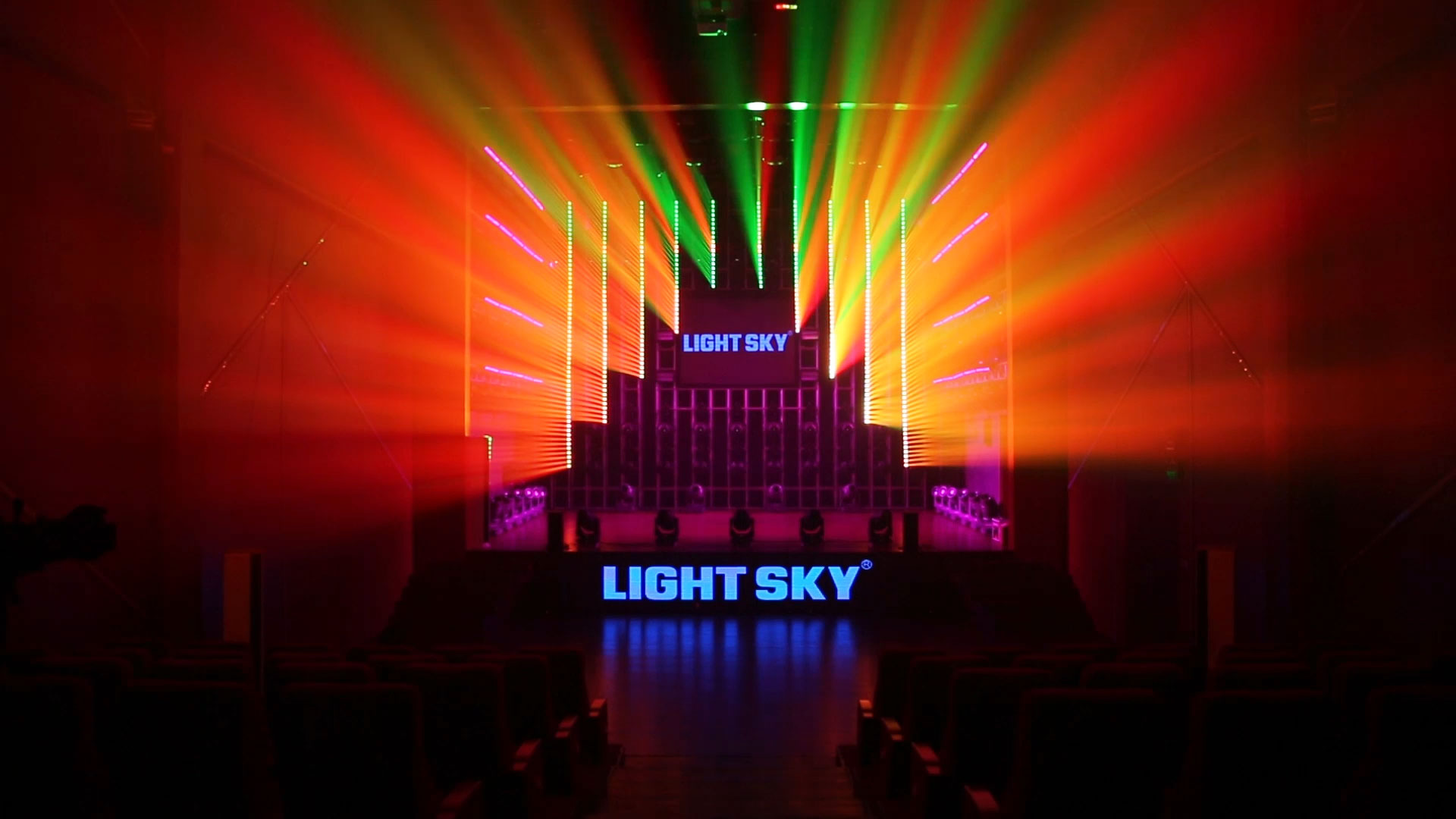
Regarding beam quality, LED moving heads now compete with discharge spotlights on contrast and color rendering—though CRI and color stability vary by LED module. Moving heads deliver rapid pan/tilt, adjustable beam angle and gobo swapping that free designers from fixed positions. For headline acts where dynamic effects are core to the show, a moving head array simplifies choreography and minimizes cabling headaches compared to many static units.
Comparative trade-offs in reliability and maintenance
Moving heads consolidate optics, motors, and electronics into a single fixture, which reduces floor clutter but concentrates failure modes. Tours that rotate fixtures nightly prefer sealed optical paths and simple motor encoders to ease field service. Static fixtures can be swapped more cheaply, but they demand more rigging points and higher aggregate power. The maintenance calculus often favors quality moving head units when rigging labor costs are high—this is where vetted moving head light manufacturers matter most.
Operational teardown: what to test before you buy
Run a production teardown on sample units to quantify controllability and longevity: log DMX512 latency under full patch, measure lumen depreciation after 500 hours, confirm gobo index repeatability over 5,000 pan/tilt cycles. Include both fixture types in a side‑by‑side shootout and record beam angle spread and color consistency. For clarity in procurement documents, embed {main_keyword} and {variation_keyword} into the test matrix so vendors respond to identical parameters.
Common mistakes and wiser alternatives
Teams often under‑spec the control network, then blame fixtures when cues stutter—invest in disciplined addressing and adequate RDM use. Another frequent error: buying on lumen claims alone; specify beam profile and lux at throw distance instead. Smaller venues can save by mixing a handful of high‑quality moving heads for accents with economical LED washes for even coverage—this hybrid reduces upfront spend without harming design scope.
Real‑world anchor: lessons from large festivals
At major outdoor festivals such as Glastonbury, organizers choose LED moving heads for fast scene changes and reduced generator load; production reports there have repeatedly shown measurable energy and setup‑time gains versus older rigs. Those events also highlight the importance of weather‑rated sealing and quick access to replacement parts—criteria that belong in your technical bid documents.

Advisory close — three metrics to make the right selection
1) Energy per lux at fixture focus distance — compare delivered lux at typical throw distances, not nominal lumens. 2) Mean time between service and field‑repair simplicity — prioritize designs with modular LED modules and accessible motors. 3) Control fidelity under full patch — verify DMX512 latency and RDM diagnostics under realistic load. Follow these golden rules and procurement becomes a technical decision, not a marketing race.
Light Sky understands how those metrics translate into fewer truck rolls and steadier shows—it’s the practical value that keeps productions running on time. —