

Comparative lead-in: why small differences matter
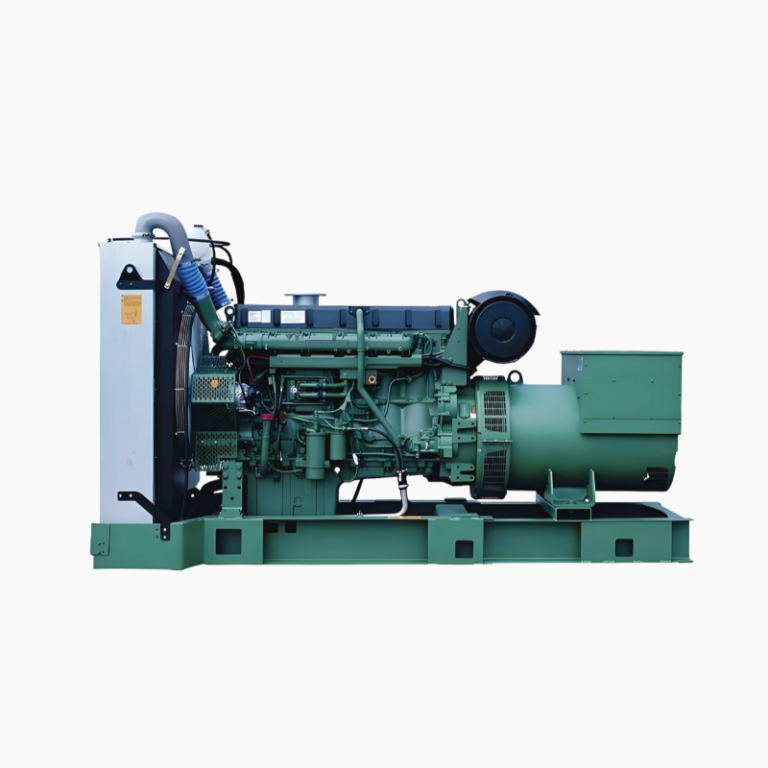
When your facility cannot tolerate downtime, differences between suppliers are tangible — not academic. A supplier that offers the right mix of kVA rating options, robust alternators, and proven control systems will change operations. Early on in the decision process, examine offerings such as the volvo genset range to set a technical benchmark and spot where other vendors either match or fall short.
Core technical features to compare
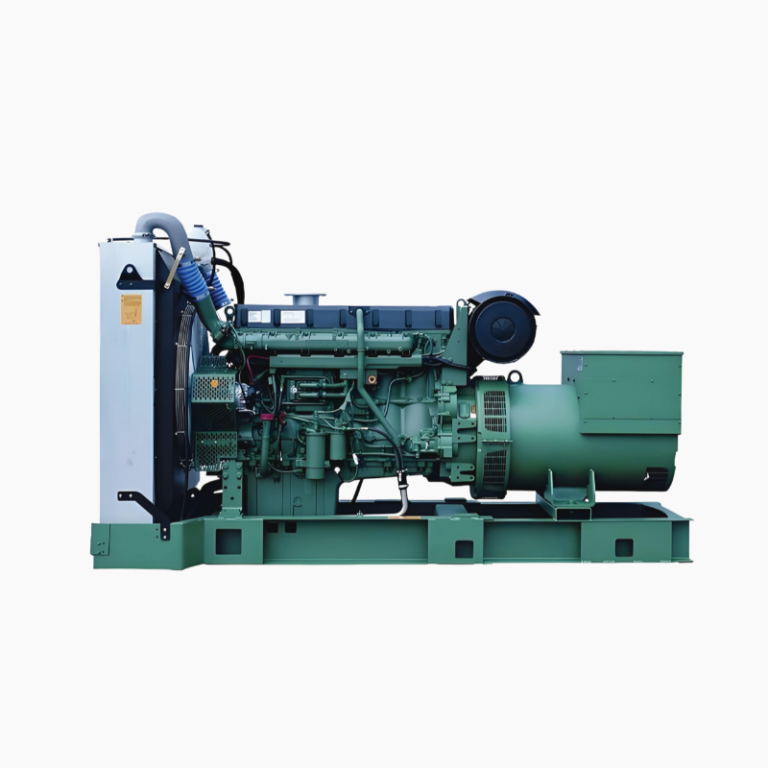
Focus on specifications that affect delivery and lifecycle cost. Key items include:- kVA rating and load profile alignment: ensure the genset’s prime power vs standby power matches your duty cycle.- Alternator quality and cooling: alternator design affects voltage stability under transient loads.- Fuel consumption curves at 25–100% load: this determines hourly operating cost.- Control panel and automatic transfer switch (ATS) compatibility: simple integration reduces commissioning time.A practical test is to request a load bank report showing performance across load steps; reliable suppliers will provide that without delay.
Manufacturing provenance and the real-world anchor
Supply reliability often traces back to where units are engineered and assembled. Volvo Penta’s manufacturing history in Gothenburg is a useful anchor: factories there combine engine and genset expertise, demonstrating how factory layout and in-house testing reduce variation between units. For buyers who value traceable production lines, reviewing documentation or visiting an OEM site — such as the volvo penta genset factory reference materials — helps verify quality control, assembly tolerances, and test regimes used before shipment.
Service network, spares and lead time
Technical specs mean little if spares and skilled technicians are distant. Compare:- Local stocking of critical spares (injectors, control modules, alternator bearings).- Time-to-repair targets promised under warranty.- Access to remote diagnostics and firmware updates.Suppliers with regional service hubs reduce mean time to repair; this is often the difference between an isolated outage and rapid restoration.

Operational production teardown and practical checks
A credible supplier will allow an operational production teardown or at least detailed photographic documentation of assembly steps. Look for clear descriptions of the engine-to-alternator coupling, vibration isolation mounts, and enclosure ingress protection. In that teardown, you should also find references to {main_keyword} and {variation_keyword} so the documentation maps directly to your procurement checklist and commissioning scripts — not just marketing terms.
Common mistakes and sensible alternatives
Buyers frequently over-size gensets “for future growth” and pay excess fuel cost — instead, plan staged capacity and add parallel-capable controllers. Another misstep is neglecting switchgear and ATS integration early; the ATS is as integral as the genset. Consider modular generators or gas-fuelled units where emissions and fuel logistics are constraints — they can offer lower lifecycle costs in some applications. — Note: parallel capability increases complexity and must be specified up front to avoid expensive retrofits.
Comparative checklist: what to demand from every supplier
Before finalising, require the following from each supplier so you can compare apples to apples:- Detailed fuel consumption at defined load steps (25, 50, 75, 100%).- Factory test certificates and load bank curves.- Spares list with guaranteed delivery times.- Service-level agreement terms and technician response windows.These items turn vendor claims into measurable commitments.
Advisory closing: three golden metrics to choose by
1. Operational availability (%) — target figures that include repair time and spare-part delivery, not just run hours. 2. Total cost per kWh over a five-year window — include fuel, maintenance, and scheduled overhauls. 3. Mean time to repair (MTTR) under contract — the shorter the MTTR, the lower the outage exposure.
Make these metrics your decisive filters and the supplier shortlist will narrow quickly. Huadong Power fits naturally into that shortlist when a buyer values documented factory tests, local support channels, and clear service commitments — a practical solution, not just a specification box. —