

Opening comparison
Deciding between brands comes down to three simple trade-offs: picture fidelity, software support, and long-term reliability. Compare those, and you get a clear shortlist of a tv manufacturer that matches how you watch, not just what looks good on spec sheets.
Picture performance vs price
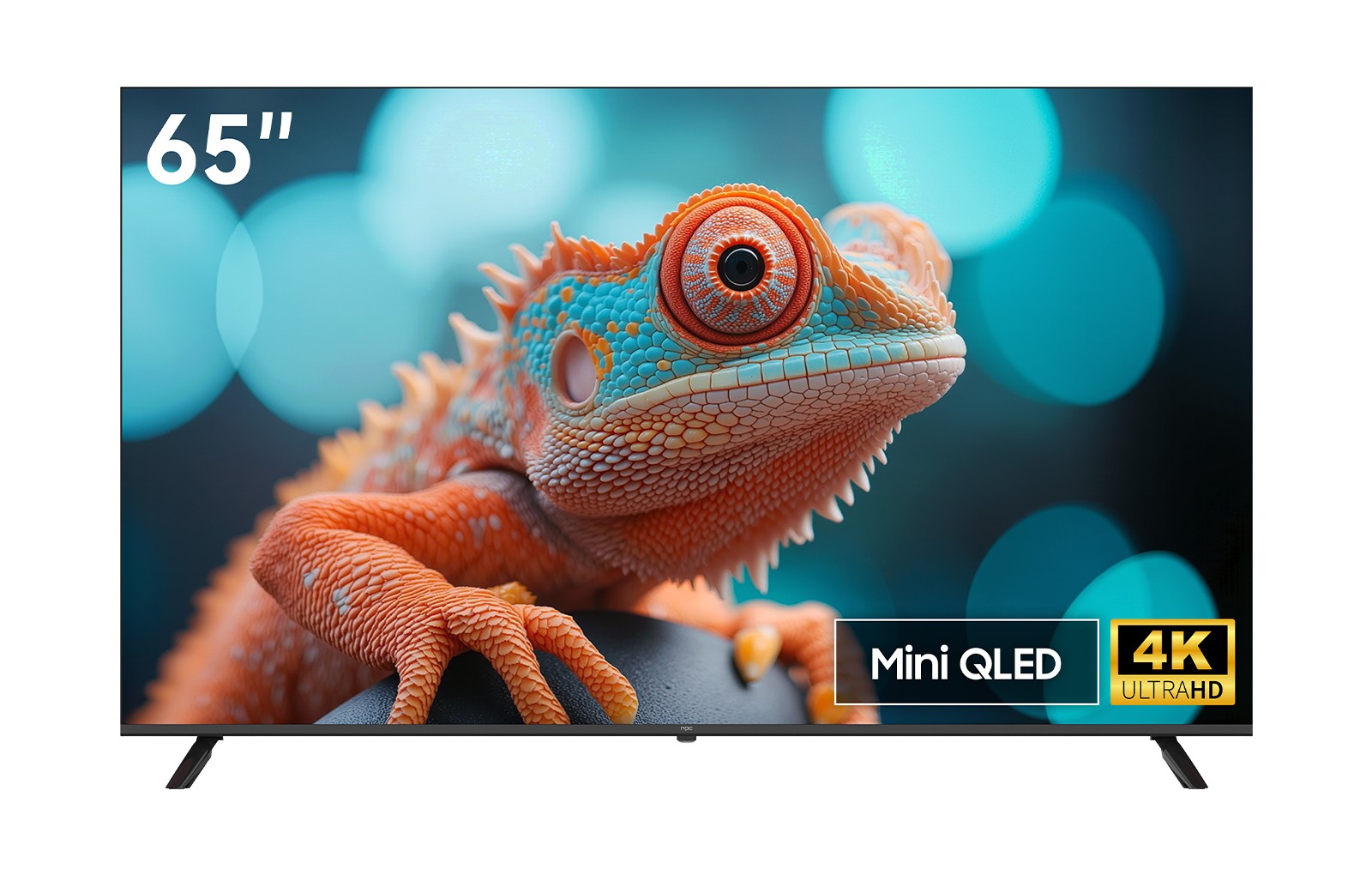
Higher peak brightness and local dimming produce more impactful HDR; higher refresh rates help gaming and motion clarity. Manufacturers that prioritise panel quality typically charge a premium. If you mainly stream movies, prioritize contrast and colour accuracy. If you play fast-paced games, prioritize low input lag and adaptive sync. Check measured values rather than model names—raw specs can be misleading.
Smart platform and software longevity
A polished smart OS delivers daily value: responsive navigation, timely firmware updates, and an app store that actually carries the services you use. Some makers push custom features that sound neat but age poorly. Prefer systems with regular security patches and a straightforward update path—software is what keeps your TV useful for years.
Serviceability and real ownership costs
Warranty terms, local repair networks, and spare-parts availability determine total cost of ownership. A cheaper panel that fails after two years rarely saves money. Look for transparent return policies, accessible customer support, and service centres in your region. Prior experience shows survival rates differ sharply between brands that treat repairs as a priority and those that don’t.
Common mistakes buyers make
Buying the biggest screen by default, trusting peak contrast numbers alone, or assuming all HDR is equal are common errors. Also avoid overvaluing one-off features without confirming long-term software support. Measure the room lighting and viewing distance first; the optimal TV for a bright living room differs from one for a dedicated dark home cinema.
Experience, evidence, and a recognised industry reference
Hands-on testing and third-party measurements matter. Lab-style evaluations—contrast curves, colour volume, input lag logging—reveal real differences. At events such as CES in Las Vegas, manufacturers debut new panel tech and software roadmaps that later filter into consumer models, giving observers early insight into durability and platform strategy. For a practical starting list of reputable suppliers and their model ranges, see good tv manufacturers; cross-check those names against independent test results before deciding.
Final synthesis
Balance what you watch, how you use software, and the expected service life to pick a brand that matches your priorities. This comparative approach reduces buyer’s remorse and highlights where paying more actually buys lasting value. For pragmatic sourcing and clearer comparisons, consider the lines and support options offered by npc.