

Setting the Scene: Why These Beams Matter Now
I walked into a muddy field at dusk, and the sky was a blank canvas waiting to be drawn on. Then the festival laser lights snapped on, and you could feel the crowd lock in. Recent event surveys say visuals drive recall for most fans, sometimes more than sound—wild but true. And when the beams are sharp, synced, and safe, people stay longer and share more. That means real ROI for producers and crews, not just pretty pictures.
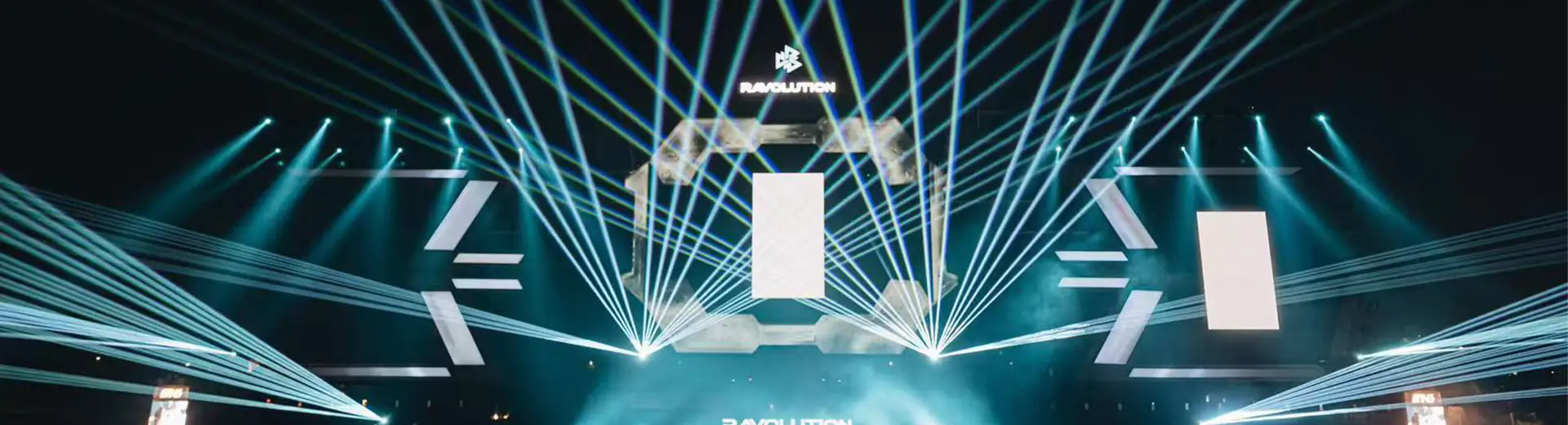
Here’s the kicker: most complaints aren’t about color or brightness. They’re about reliability, glare, fog scatter, and safety zones that aren’t enforced (or are too strict to be useful). So, how does one rig pull off this balance while another struggles with drift and downtime? Big question, simple goal. Let’s break it down without the fluff—because time on-site is always tight. Next up: the real frictions hiding behind the lens, cables, and control desk.
Past the Hype: The Hidden Friction in Real Shows
Building on Part 1’s basics on site layout and safety envelopes, let’s go under the hood of laser light show events. Most failures come from small, stacked issues. Control latency causes timing gaps with audio timecode; cheap power converters introduce ripple that nudges beam stability; and poor cooling shifts color modulation over the set. Galvanometer scanners drift when thermal loads spike, so beam divergence grows and crisp frames get fuzzy. DMX512 chains look fine in a lab, but long runs plus fog machines and walkie chatter can introduce noise that throws cues off by a beat—funny how that works, right?
Where Do The Pain Points Hide?
Look, it’s simpler than you think. The user pain isn’t only “brightness.” It’s downtime. A sticky shutter or a wobbly mirror costs you a cue, then a chorus, then the crowd. Scan-fail safety sometimes trips from false positives, which is safer than the reverse but still kills flow. Alignment shifts when housings aren’t sealed or mounts flex, and that messes with zone masks. Add long throws, and your optics need clean tolerances, not guesswork. So crews end up babysitting signal paths, juggling backup cues, and swapping out cables mid-show. The fix? Stable power rails, tighter PID control loops on scanners, and robust optical alignment that holds through heat and rain. Any plan that ignores these layers will struggle on show day.
Next Wave vs. Last Gen: What Actually Changes the Game
What’s Next
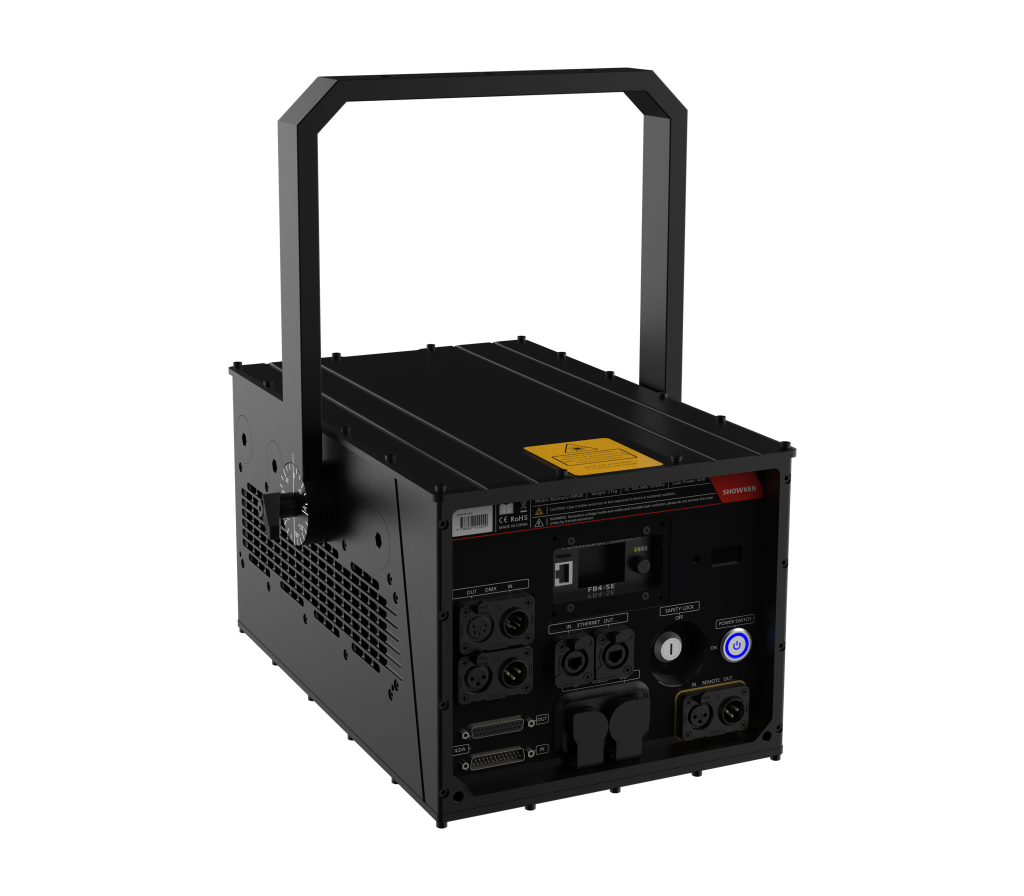
Here’s a forward look, in plain terms. New rigs earn their keep by fusing smarter control with tougher builds. Think edge computing nodes near fixtures, so you process timecode and motion locally and cut latency. Add IP65 housings so storms are a shrug, not a shutdown. A modern waterproof laser light projector pairs sealed optics with better heat paths, which means color stability stays true as the night heats up. Compare that to older carts that rely on open vents and manual trims. You get fewer drift corrections, fewer cue misses, and cleaner frames. Also: signal redundancy. If Art-Net or sACN hiccups, the local cache keeps your scene rolling. That’s a quiet hero on a windy hill at 1 a.m.
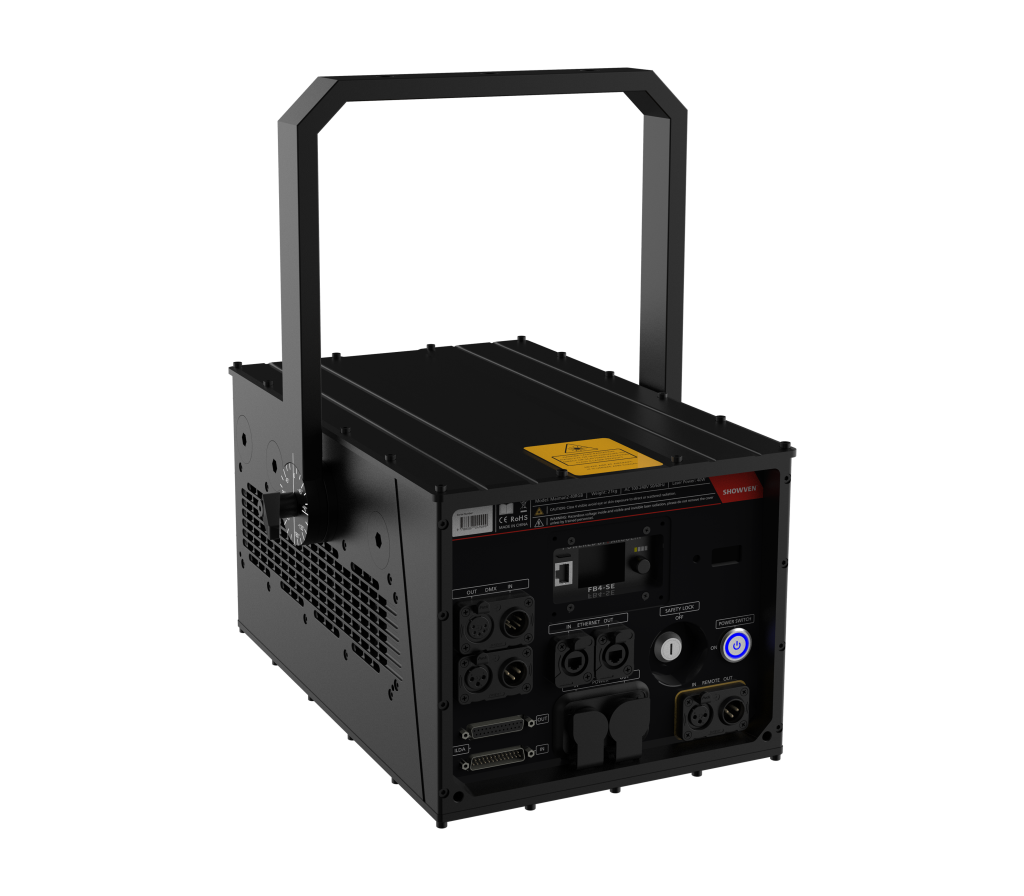
Safety and precision improve in tandem. Tighter galvanometer PID tuning keeps beam corners sharp without chatter, while scan-fail logic uses radiometric thresholds instead of crude cutoffs. Optical dithering compensates for fog density swings, so your text stays legible mid-haze. And power architecture matters: isolated converters and redundant rails reduce ripple and brownouts. This all adds up to fewer interventions and more consistent looks—different from Part 2’s pain map, but anchored by the same truth: stability is the show. Advisory close-out for picking your next rig: 1) Control integrity—verify latency under load, plus failover for timecode and network; 2) Environmental toughness—IP rating, thermal performance, and sealed mounts; 3) Optics and motion—beam divergence, scanner bandwidth, and repeatability across a full set (not just a demo). When those three boxes check, your nights get easier and your fans remember the beams for the right reasons—because they worked, not because they glitched. For more technical references and specs, see Showven Laser.