

Introduction: A lab moment, some numbers, and the question we all ask
I remember standing in the lab waiting for a signal that never came — that pause you feel when a recording fails mid-experiment. In many labs, the core tool is the fiber photometry system, and small setup choices can change results from usable to useless. Recent surveys I’ve seen show that nearly one in four in vivo recording sessions suffer from avoidable noise or alignment problems (por ejemplo, poor connector mating). So how do we stop losing time and data — and start designing workflows that actually work every day?

I write from experience: I’ve fixed rigs at odd hours, swapped photodetectors under pressure, and learned that a good plan beats last-minute fixes. We’ll walk through practical things you can check and change now. — Let’s move into the problems that hide behind shiny tech, and see what to do next.
Hidden Pain Points in multi channel fiber photometry setups
I’m going to be direct here: many so-called “integrated” systems still leave the user doing the hardest work. Two big themes keep popping up — inconsistent optical coupling and confusing signal routing. In practice that means your fluorescence readout can swing just because a connector wasn’t seated right, or because channels mixed at a patch panel. Look, it’s simpler than you think when you break the problem down. Photodetectors need consistent coupling; optical fiber terminations must be clean; and the signal chain must protect the signal-to-noise ratio. If any link is weak — and they often are — your data pays the price.
Why do standard solutions fail so often?
Traditional approaches try to be one-size-fits-all. They rely on passive splitters, basic filters, and loose cable management. That creates real flaws: crosstalk between channels, baseline drift, and hard-to-trace artifacts in the spectrum. Technically, a bad connector or a stray reflection will change the excitation light path and produce misleading fluorescence changes. You end up troubleshooting for hours when the real issue is a small alignment or grounding problem.
Two more specifics: first, many labs underestimate the role of proper stray light control and spectral unmixing — without that, signals from nearby fluorophores bleed into each other. Second, power stability (yes, power converters and regulated excitation sources) matters more than most admit; fluctuations will show up as apparent neural activity. I’ve seen this—funny how that works, right?—and we learned to test power rails and grounding before touching the animal or the sensor.
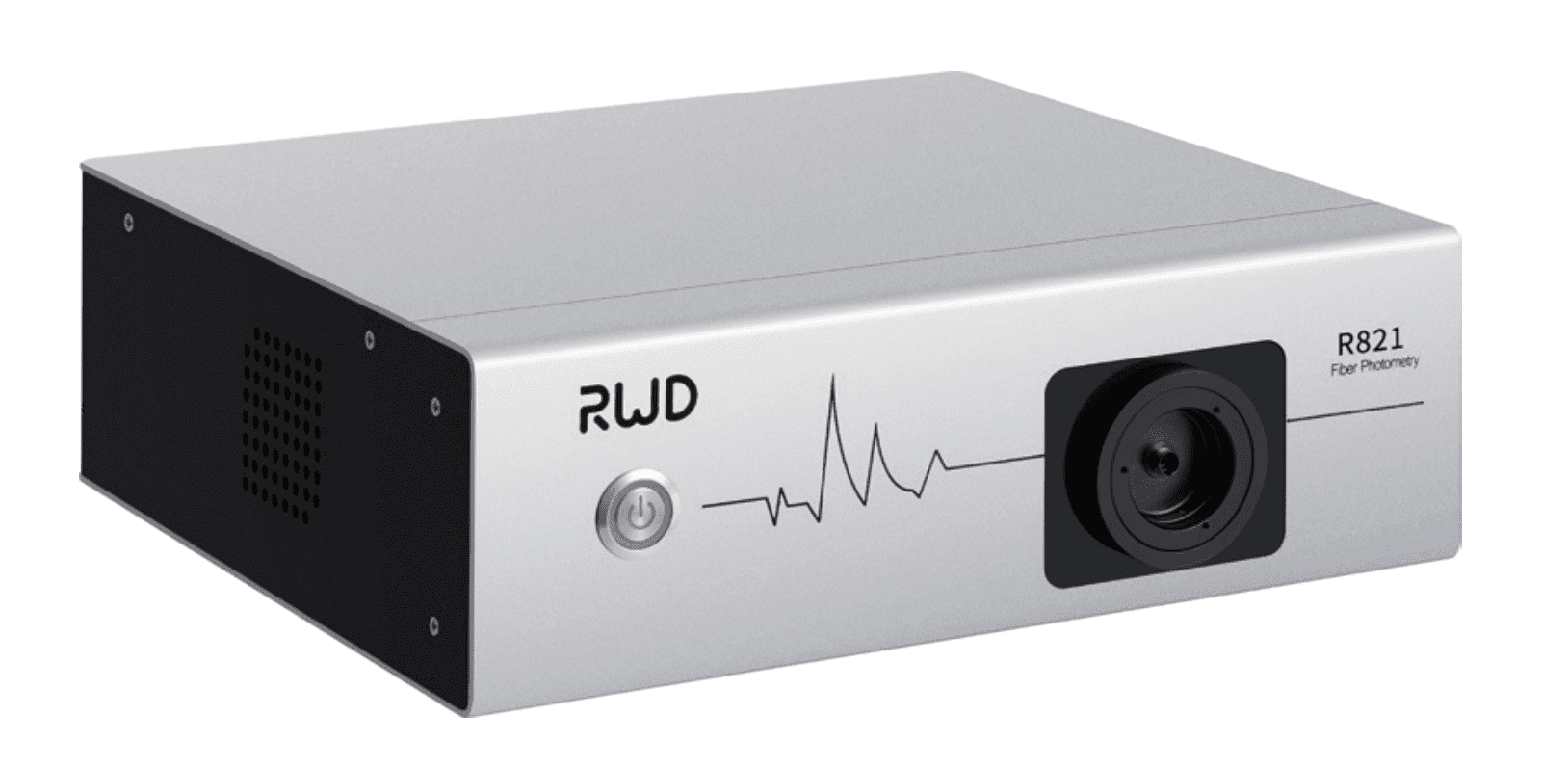
Future outlook: practical principles and how to choose the right path
Looking ahead, I think the best improvements come from design rather than luck. For labs planning upgrades, consider a two-track approach: improve the physical chain (connectors, fiber polishing, strain relief) and adopt smarter electronics (low-noise amplifiers, lock-in detection, or digital demodulation). A modular strategy lets you swap a single module — say, a new photodetector or a better filter set — without tearing down the whole rig. That reduces downtime and protects your datasets.
What’s Next — real choices you can make
We should also expect better user interfaces and diagnostics. Imagine a system that reports coupling efficiency, channel crosstalk, and baseline drift in real time — so you catch issues before they ruin a session. The multi channel fiber photometry approach that integrates optical health checks and per-channel diagnostics will save time and improve reproducibility. I prefer semi-formal descriptions, but here I’ll be blunt: spending a bit more on diagnostics pays back tenfold in saved experiments.
To close, here are three clear metrics I use when evaluating systems: 1) signal-to-noise ratio under typical conditions, 2) channel isolation (how well spectral unmixing holds up), and 3) diagnostics accessibility — can I see coupling and power health quickly? Measure those before you buy or upgrade. If you do this right, your daily work gets calmer, and your data gets cleaner — no drama, just reliable recordings. For practical tools and support, I often point teams to BPLabLine as a resource that combines sensible design with useful diagnostics.