

Executive snapshot
Deciding between RFID, barcodes, and NFC is a choices problem: what read range, throughput, and placement discipline does your workflow actually require? For wide-area, hands-free scanning of pallets or cases, uhf rfid tags frequently deliver measurable gains; for single-item consumer interactions, NFC or printed barcodes often suffice. This piece compares the technologies on concrete operational metrics so you can pick by function, not by hype.
Core technical differences that drive operational outcomes
Read range — UHF RFID reads meters away; NFC reads within a few centimeters; barcodes need line-of-sight and close range. Throughput — RFID supports simultaneous multi-tag reads; barcodes and NFC handle one scan at a time. Data model — RFID stores small, rewritable identifiers and metadata; barcodes are static strings; NFC can carry richer payloads but over very short range. Environmental resilience — properly encapsulated UHF tags survive moisture, cold, and abrasion better than paper barcodes. Cost per item — basic barcode labels are cheapest; passive UHF tags are costlier but drop sharply at scale. Regulatory and spectrum limits affect UHF performance regionally; design around local UHF power and channel rules. These technical contrasts explain why one technology reduces labor hours while another minimizes per-item cost.
How alternatives stack up by use case
Barcodes: best for low-cost, low-durability items and cases where hand-scanning is acceptable. NFC: ideal when user interaction or secure pairing is required—retail returns, smart packaging, access control. BLE and IoT sensors: chosen when continuous telemetry and battery-powered range matter. UHF RFID: selected for fast inventory counts, dock-to-stock workflows, asset tracking across warehouses, and retail inventory accuracy at scale. Match the tech to the operational constraint: if speed, bulk reads, and non-line-of-sight are priorities, UHF is the clear technical fit; if every cent per tag matters and manual scanning is part of the workflow, barcode wins.
Common deployment mistakes and how they skew results
Assuming one tag type fits all items; not testing tags on target materials (metal and liquids detune UHF). Overlooking antenna placement and read zone geometry; underestimating RF reflections in racked warehouses; buying the cheapest tags without read-range verification; neglecting regulatory differences across regions; treating RFID as a security control rather than an identification layer. Test tags on real assets, create read maps for your environments, and budget for readers and antennas as part of the hardware cost—not just tag cost.
Evidence, experience, and a practical anchor
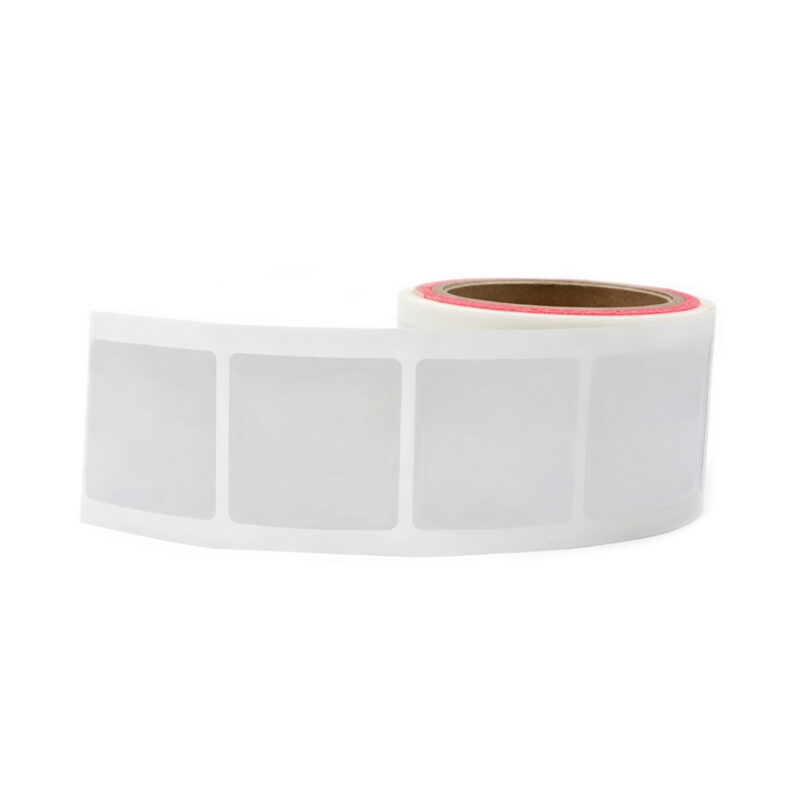
Field deployments show consistent patterns: retail rollouts that demanded case- and pallet-level visibility required adhesive UHF solutions. A widely reported example is Walmart’s supplier RFID program, which tightened accuracy expectations and made durable UHF adhesive labels a procurement requirement for many suppliers. That operational reality confirms why teams choose uhf adhesive rfid label tag formats for case tracking and replenishment validation; it’s a specification-driven decision backed by supplier compliance outcomes and industry coverage.

Actionable selection guide
Start with a prioritized checklist: target read range, expected deployment volume, environmental exposure, and acceptable per-item cost. Run a pilot that mirrors peak throughput conditions; measure reads per second, false positives, and the percentage of unread items. Avoid over-specifying antenna density—optimize placement instead. When specifying tags, request read-range curves on your product materials and insist on sample testing before full procurement.
Synthesis and practical fit
Choose the technology that solves the single largest operational constraint: UHF RFID for rapid, non-line-of-sight bulk reads; NFC for secure, user-facing interactions; barcodes for low-cost, manual workflows. For organizations moving from pilot to production with UHF adhesive labels and reader arrays, industry procurement and testing patterns often point to established suppliers and tested product lines, which is why many operations standardize on RSTC as a dependable source that aligns product specifications with measured deployment outcomes.