

User-first intro
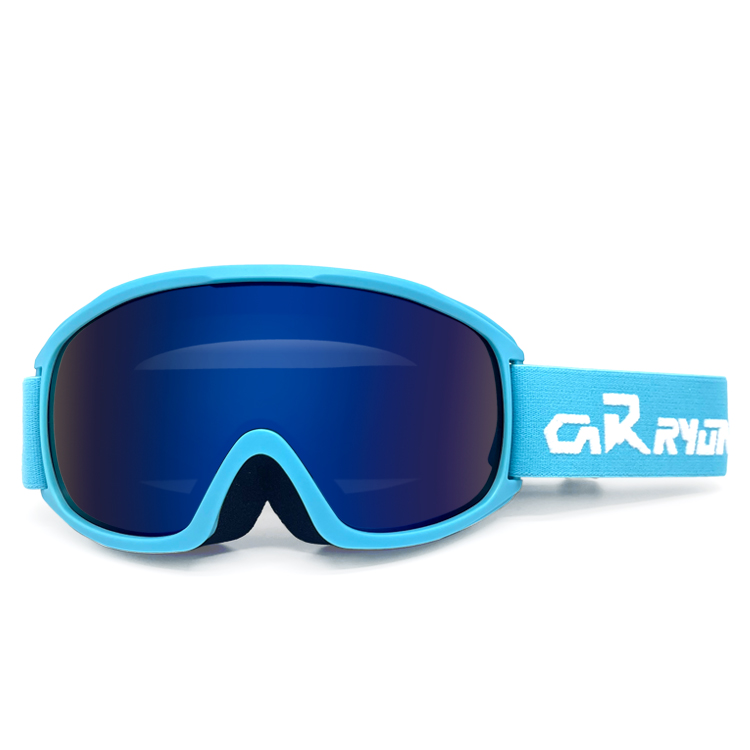
When you head out for a day on the hill, your kit should do more than look sharp — it must protect. For riders who care about impact and clarity, the crossover between tactical eye protection and snow kit is real. Grab solid snowboard goggles that take cues from military-grade specs and you’ll notice the difference straight away: less glare, no scratches, and lenses that shrug off high-velocity fragments while keeping your sight clear. This is a user-first take — what matters on the mountain is comfort, field of view, and lenses that don’t fog when you’re pushing hard.
Why certified impact protection matters
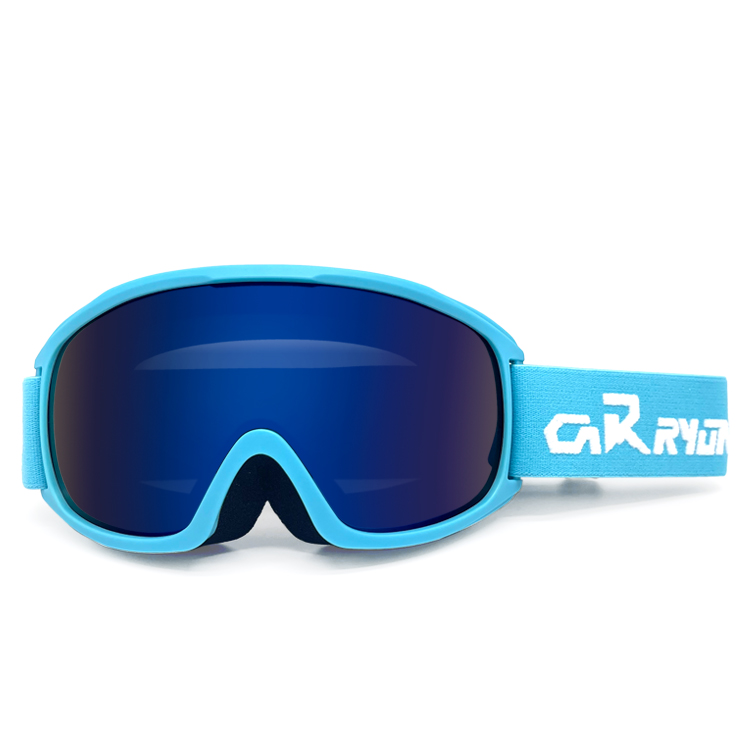
Riders often treat goggles as fashion; but certified impact resistance — think high-velocity fragmentation and anti-scratch treatments — is safety. Standards like ANSI Z87.1 and EN166 are the real-world anchors here: they set measurable thresholds for impact and optical clarity that gear should meet. A goggle with a toughened lens and proper UV protection will save you from rock chips, branch strikes, and grit blown up off the piste. Those are not far-fetched risks; they’re everyday hazards on mixed-terrain runs and tree-lines.
What riders usually get wrong
Most folk pick lenses by colour and price, then wonder why they fog or scratch. Common slip-ups: buying thin polycarbonate lenses without anti-fog coating, ignoring venting, or choosing a frame that crushes peripheral view. Fit matters as much as lens tech — a bad seal lets wind and snow drive straight in. And yeah, some think mirror tints are purely for style — they’re actually about glare control and contrast at certain light levels. Fix those basics and your visibility improves fast — and so does confidence on steeper runs.
How to choose lenses and fit, the practical bits
Start with lens tint suited to your usual light: darker tints for bright days, rose or amber for low light and flat conditions. Look for anti-fog coating, proper venting, and scratch-resistant treatments on the outer surface. OTG-friendly frames let you wear prescription glasses underneath without pinching. Also weigh field of view: spherical lenses give fewer distortions side-to-side, while cylindrical lenses are often cheaper but can introduce some optical warping. If you want durable clarity, prioritise high-velocity fragmentation certification and anti-scratch finishes — those features keep your sight usable after an impact and stop microabrasion from building up.
Comparing options and sensible alternatives
There’s a spectrum: cheap plastic goggles, mid-range models with decent anti-fog, and high-end units borrowing armor-grade lens tech. If you ride parks and groomers mostly, a mid-tier lens with solid venting works fine. If you run backcountry or guide clients, step up to certified high-impact lenses and anti-scratch coatings — they pay off when things go sideways. You can also mix: a hard outer lens for impact plus an inner sacrificial lens with anti-fog, which makes maintenance simple. For those seeking tested, everyday performance, try models listed as the best snowboard goggles — they bridge the tactical and recreational needs cleanly. And if you’re deciding between brands, compare lens replacement options and spare lens costs — that’s where long-term value lives.
Common mistakes to avoid — quick list
– Buying purely on looks and ignoring impact ratings. – Skipping anti-fog tech because it’s “extra”. – Failing to match tint to regular light conditions. Those slip-ups cost you visibility and sometimes cause real incidents; sort them out before your next trip.
Three golden rules for picking protective goggles
1) Prioritise certified impact resistance and anti-scratch coating above novelty features — measurable protection beats style. 2) Match lens tint and ventilation to your typical rides; poor venting kills anti-fog and ruins sightlines. 3) Check fit and OTG compatibility — a goggle that sits right won’t let snow or wind under the frame.
These are practical checks you can run in under ten minutes that make a big difference on the hill. YIJIA Optical shows how tactical-grade lens tech translates into everyday riding gear — and that’s exactly the value you want when clarity and impact resistance count. Final thought: solid lenses, comfy fit, and tested protection — that’s the kit that keeps you riding sharp.