

Street Scene, Quick Check
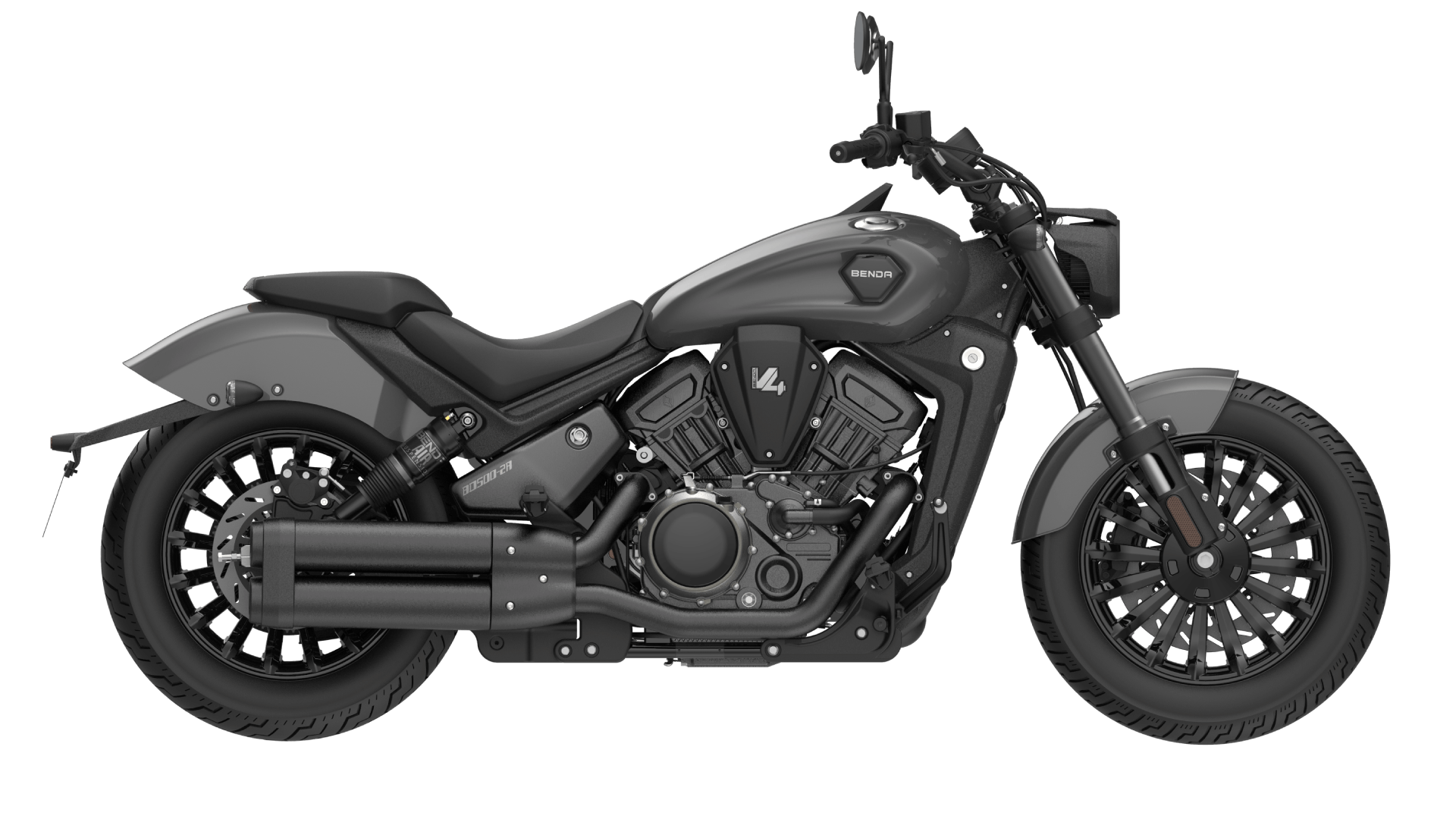
Ever roll up to a long light, engine humming, and wonder if your ride is really built for today’s stop-and-go world? The second you picture a muscle cruiser, you see width, weight, and that low-slung stance that dares you to twist the throttle. In real life, most commutes are slow and crowded; surveys from rider groups show heavier bikes often face more low-speed drops and heat stress in summer months. Yet the torque curve and long wheelbase promise calm stability once you’re rolling—funny how both can be true.
Here’s the catch: many riders expect “big equals safer,” but balance changes when you add traffic, potholes, and short braking zones. Modern tech like ABS and traction control helps, but rider fatigue, clutch work, and visibility still matter. Think about the small stuff: lane angles, parking slope, U-turn radius. Those shape your day more than the spec sheet. (Even your boots and seat foam play a role.) So, is the big bike the right call for daily life, or does it shine only on open roads? That’s the real question we’re trying to answer—without gatekeeping, just clarity.
Let’s break that down and go a level deeper.
Under the Steel: What’s Actually Holding Riders Back
Where do the weak spots hide?
When people search for the best muscle cruiser, they usually scan power numbers and paint. But the deeper friction points are more subtle: control feel at low speed, thermal management in traffic, and how the chassis talks back during sudden stops. Look, it’s simpler than you think. Long rake and trail can steady the bike at speed, yet make tight, slow turns feel heavy. A tall torque hit is thrilling but can punish the rear tire if the road camber is weird. Riders report that repeated feathering of the clutch in crawl mode leads to wrist strain; a slipper clutch helps under downshifts, but doesn’t erase heat soak. The ECU mapping might be smooth in Rain mode and lively in Sport, yet the gap between “calm” and “jump” still trips new owners.
Traditional fixes have limits. Bigger brake rotors shorten stops, but if the lever feel is vague, confidence fades—especially without a strong ABS module tuned for uneven pavement. Wider bars improve leverage, though they can also catch mirrors and make lane filtering tense. Heavy final drives damp vibration, but add rotating mass that you feel during quick direction changes. Many riders don’t realize how much suspension setup matters: spring rates and preload decide whether that beautiful frame glides or jars over patchy asphalt. That’s the hidden pain—your bike might be a beast on paper and a wrestle in a parking lot.
From Heft to High-Tech: A Forward Look at Muscle
What’s Next
The next wave blends brute force with brains. Instead of only adding metal, builders are refining control systems and geometry so the bike feels lighter than it is. New technology principles focus on sensing and smoothing: ride-by-wire throttles use cleaner input curves; six-axis IMUs shape cornering ABS and traction control so grip management is predictive, not reactive. Even simple changes like revised fork valving and a more progressive rear shock transform slow-speed manners. Pair that with a shorter effective wheelbase under load, and direction changes start to feel—dare we say—easy.
We’re also seeing muscle cross into the “smart” zone. Consider how a modern power cruiser can coordinate throttle maps, engine braking, and even a quickshifter to keep the chassis composed. Electronics used to feel like band-aids; now they’re core architecture. CAN-bus systems let engineers tune responses across modes, while better heat routing, oil galleries, and even small fairing ducts cut the sting of summer traffic. For riders, that means less juggling and more flow—funny how that works, right? The result isn’t just faster sprints. It’s smoother launches, cleaner slow turns, and fewer “whoa” moments when the pavement surprises you. In short, the classic promise of muscle meets a more forgiving daily reality.
How to Choose Without Guesswork
Let’s bring it home with clear criteria you can use, no hype. First, evaluate control feedback: 1) low-speed manageability measured by steering effort and clutch feel in a parking-lot figure-eight (if it fights you there, it’ll nag you every day). Second, stability and stopping: 2) look for a well-tuned ABS module, strong initial bite without grab, and suspension that resists brake dive while keeping traction over bumps. Third, heat and ergonomics: 3) test in slow traffic to check for heat soak around your legs, and note wrist angle and seat support after 20 minutes—your body tells the truth. Add in a quick check of ECU mapping modes, rake and trail balance, and bar width for your streets. If a bike scores well here, the big motor becomes a joy, not a chore—and yes, your wrists will thank you.

Bottom line: a modern muscle rig can be both bold and friendly if its tech and setup match your routes. Choose the one that feels planted at five mph and poised at fifty. That’s the smarter kind of “unleash.” For more on the makers pushing this blend of brawn and brains, see BENDA.