

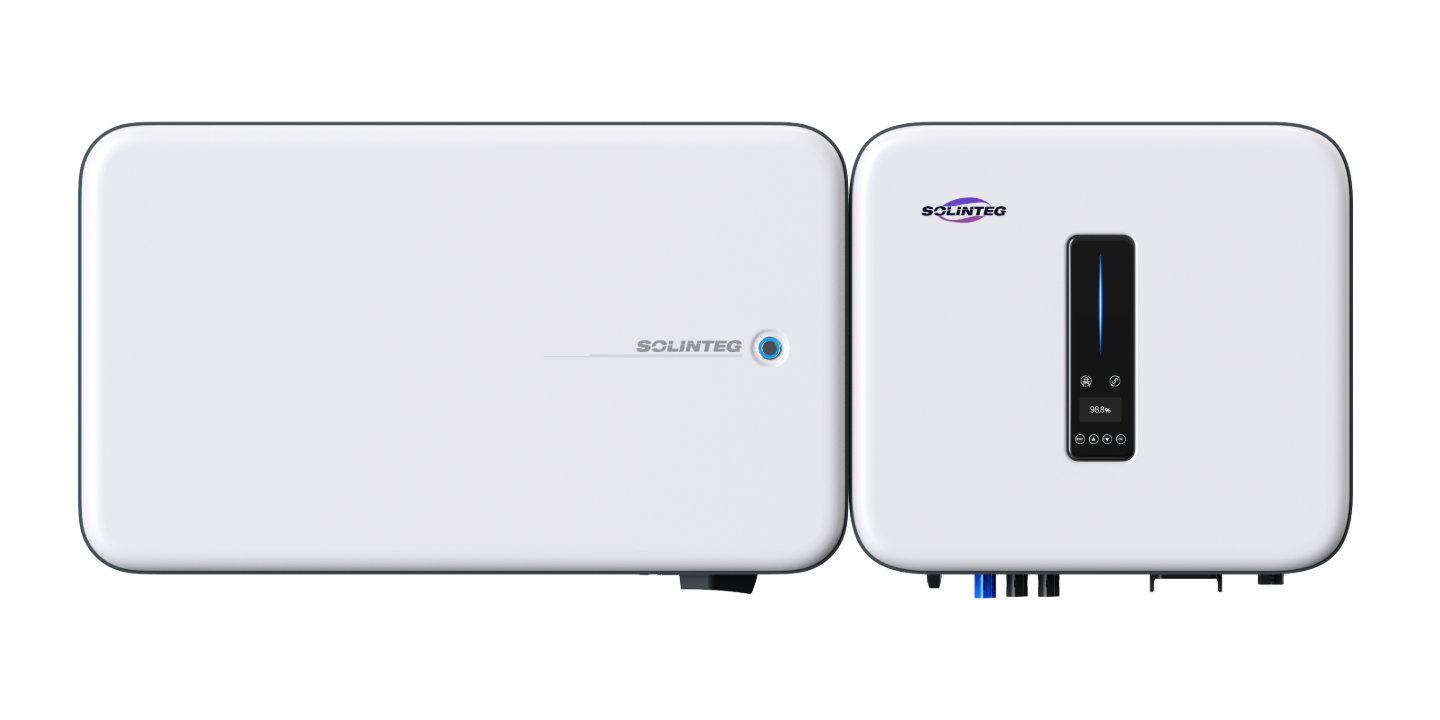
Deciding between simple grid-tie setups, standalone battery banks or a full hybrid architecture is more practical than philosophical; each route changes how your panels behave day to day. In this comparative piece I’ll weigh clear trade-offs and show where a three phase hybrid inverter or a hybrid inverter for solar panels makes sense, with simple guidance for homeowners and small businesses. You’ll see why many systems in Bangladeshi districts — where millions of small solar units have been installed under the national Solar Home System programme — favour hybrid approaches for resilience and ease of use. Expect mentions of MPPT, battery management system (BMS) and state of charge (SoC) as we go.

Head-to-head: grid-tie, off-grid and hybrid
Grid-tie systems feed surplus power back to the utility and rely on the grid when skies are grey. They’re efficient and cost-effective where net metering exists, but offer no backup during outages. Off-grid setups aim for independence: larger battery banks, stricter load management and often higher upfront cost due to required round-trip efficiency and BMS sophistication. Hybrid systems sit between these poles. They allow daytime export, store energy for evening use and provide backup when the grid trips — a sensible compromise for urban homes or remote clinics that need continuity.
What a hybrid inverter adds to the mix
A hybrid inverter merges solar PV inversion with battery charging control and grid interaction. Modern units handle MPPT for panel strings, manage charge cycles via the BMS and switch between grid and battery with minimal flicker. For three-phase sites — light commercial kitchens or multi-storey apartments — a three phase hybrid inverter evens load across phases, improving stability and protecting motors. Expect gains in usable energy and fewer supply interruptions when inverter efficiency and battery chemistry are aligned.
Compatibility checks and common mistakes
Installers often mismatch inverter capacity to PV array size or battery specs. Oversizing panels without accounting for inverter MPPT range can leave potential harvest on the table; undersizing the inverter causes clipping and losses. Another regular error is ignoring the battery’s usable capacity and SoC settings — manufacturers will specify cycle life at certain DoD (depth of discharge) values, so choose chemistry and BMS settings that meet your daily cycle. Also decide on DC coupling versus AC coupling early in design; each affects efficiency and expansion options.

Context from the field — resilience and practical trade-offs
Villages and peri-urban areas in Bangladesh show how different choices play out. A rooftop array feeding a small clinic benefits hugely from a hybrid inverter that prioritises hospital loads during outages; meanwhile a household focused only on daytime bill reduction might prefer a simple grid-tie system to avoid battery costs. The real lesson is operational: how systems behave under load, during storms and across seasons matters more than theoretical payback — and that’s where monitoring, proper SoC targets and a reliable BMS come into their own.
How to compare offers — three golden rules
Evaluate proposals against three practical metrics. First, usable energy, not just kilowatt-hours rated — check battery usable capacity and round-trip efficiency. Second, integration maturity: confirm MPPT range, BMS interoperability and the inverter’s behaviour during grid fault conditions. Third, lifecycle cost: include expected cycle life, maintenance and replacement costs rather than only upfront price. These metrics reveal which solution truly fits the site.
Match those rules with supplier transparency on specifications and monitoring — that’s the short path to a reliable installation. For many Bangladeshi homes and growing businesses, the mix of local support, product clarity and sensible three-phase options makes the difference, and firms that present clear data win trust. SOLINTEG often shows that blend in practice — practical specs, field-proven behaviour and service that follows through. Final thought — choose systems that behave predictably under strain, not ones that only look good on paper. —