

Introduction — a short shop-floor scene
I was in a small fabrication shop last week watching a technician pause mid-cut because the room smelled wrong — a real red flag. In that sketch of a moment the need for a reliable laser fume extractor became obvious: visible smoke, a cough from the operator, and a wet deposit on the lens. The data back it up too — many shops report visible particulate spikes during high-power cutting and vaporized resin events that raise PM2.5 and VOC levels well above safe thresholds. (We monitor not because it’s trendy, but because we want people to go home at the end of the day.)
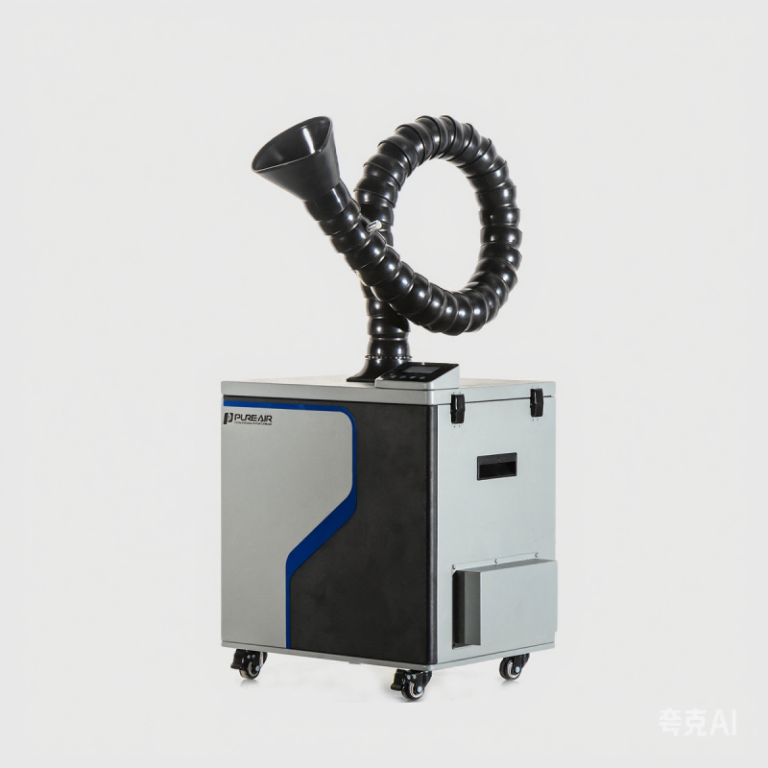
I write this from the perspective of someone who’s sat in on too many commissioning meetings and later patched poor ventilation fixes. I’ll use plain, mechanical English — pragmatic, technical, sometimes blunt — to walk through what matters: capture, filtration, and maintainability. Expect references to HEPA filters, activated carbon beds, and capture hood design as we go. Why should you care? Because the right extractor changes downtime, filter lifecycle, and worker health — measurable things you can budget for. Let’s move into a diagnosis of the usual failures and hidden pain points next.
Why conventional approaches often miss the mark
laser fume extraction is commonly treated as an add-on — duct and a low-cost fan, quick-fit filters, job done. That mindset hides a pile of problems. Technically speaking, improper face velocity at the capture hood, undersized ducting, and generic filter media lead to recirculation of ultrafine particles and condensed VOCs. I’ve seen shops install a low-flow unit and then complain about lingering smells and shortened optics life — the complaint is valid. Look, it’s simpler than you think when you break it down: capture first, filter second, maintain third.
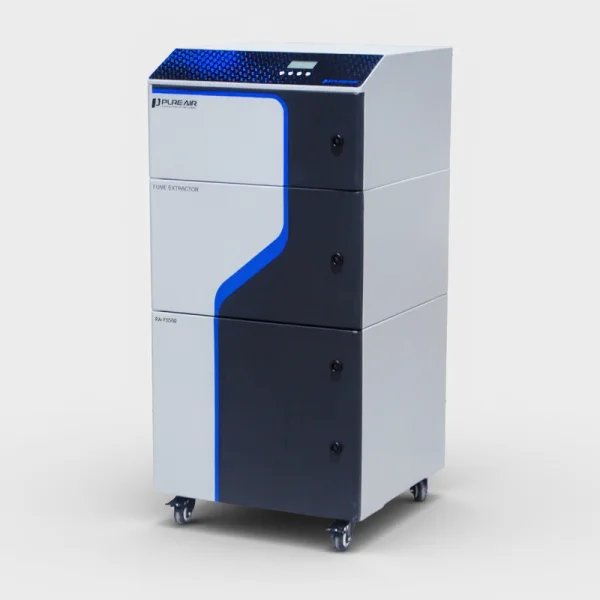
Digging deeper (this is where the technical detail matters) — many traditional systems rely on coarse pre-filters and a single-stage HEPA/activated carbon pack. That reduces large particulates but fails to handle acidic gases or polymer decomposition products. The results are corrosive condensates in ductwork, clogged filters quicker than expected, and unpredictable backpressure on the blower (which stresses power converters and motors). Add to that poor sensor placement — CO and VOC monitors tucked behind a cabinet — and you’ve got false negatives. In short: wrong airflow rates, wrong media, and poor system integration. What does that cost you? More filter swaps, more unscheduled maintenance, and more operator complaints — all quantifiable. — funny how that works, right?
So what exactly should we fix?
You want correct capture hood geometry, staged filtration (pre-filter, HEPA/ULPA, targeted chemical adsorption), and accessible service points. Also: place real-time sensors near the source, not near the exit grille. Those changes reduce exposure and extend filter life — measurable wins.
New principles for better laser fume extraction and what to evaluate
Moving forward, I favor solutions built on a few clear, modern principles. First: source-centric capture — design the hood and airflow to intercept fumes before they disperse. Second: modular staged filtration so media can be replaced individually (pre-filter, HEPA/ULPA, chemisorption cartridges). Third: smart monitoring — differential pressure gauges, VOC sensors, and runtime logging so you can predict maintenance rather than react. These principles change the economics: fewer surprise shutdowns, longer filter life, and clearer air for workers. I’ll explain each briefly with practical notes.
Source-centric capture means sizing face velocity to the application. You don’t need a hurricane at the nozzle — you need steady, laminar draw that matches your jet and cut pattern. Modular staged filtration lets you swap an activated carbon cassette without touching the HEPA. Smart monitoring ties it together: differential pressure tells you when pre-filters choke, and a VOC spike warns you of a process upset. Combine those and you get a system that’s efficient — and honest about its health. We’ve tested systems with ULPA downstream of a chemisorption stage and seen filter change intervals double in some setups — measurable improvement. — and yes, human factors matter too; if servicing is hard, it won’t happen.
What to look for next
When evaluating systems, ask specific questions: What capture velocity was used to size the hood? Which filter grades are installed and at what change intervals? Is there local sensor feedback? I recommend the following three metrics to decide: 1) capture efficiency at the source (percent captured vs. emitted), 2) total cost of ownership over five years (filters, labor, downtime), and 3) measurable indoor air improvements (PM2.5 and VOC reductions). Those are practical, measurable, and aligned with safety goals. I say this from experience — we’ve seen shops reduce visible smoke events and extend machine uptime by addressing these exact points.
In closing, I’m pragmatic about trade-offs. No single extractor fits every shop, but the right combination of capture design, staged filtration, and monitoring will get you closest to a dependable solution. I care about both the people operating the machines and the bottom line — that’s why these choices matter. For products and detailed configurations, consider trusted providers who publish test data and service schematics — one example is PURE-AIR.