

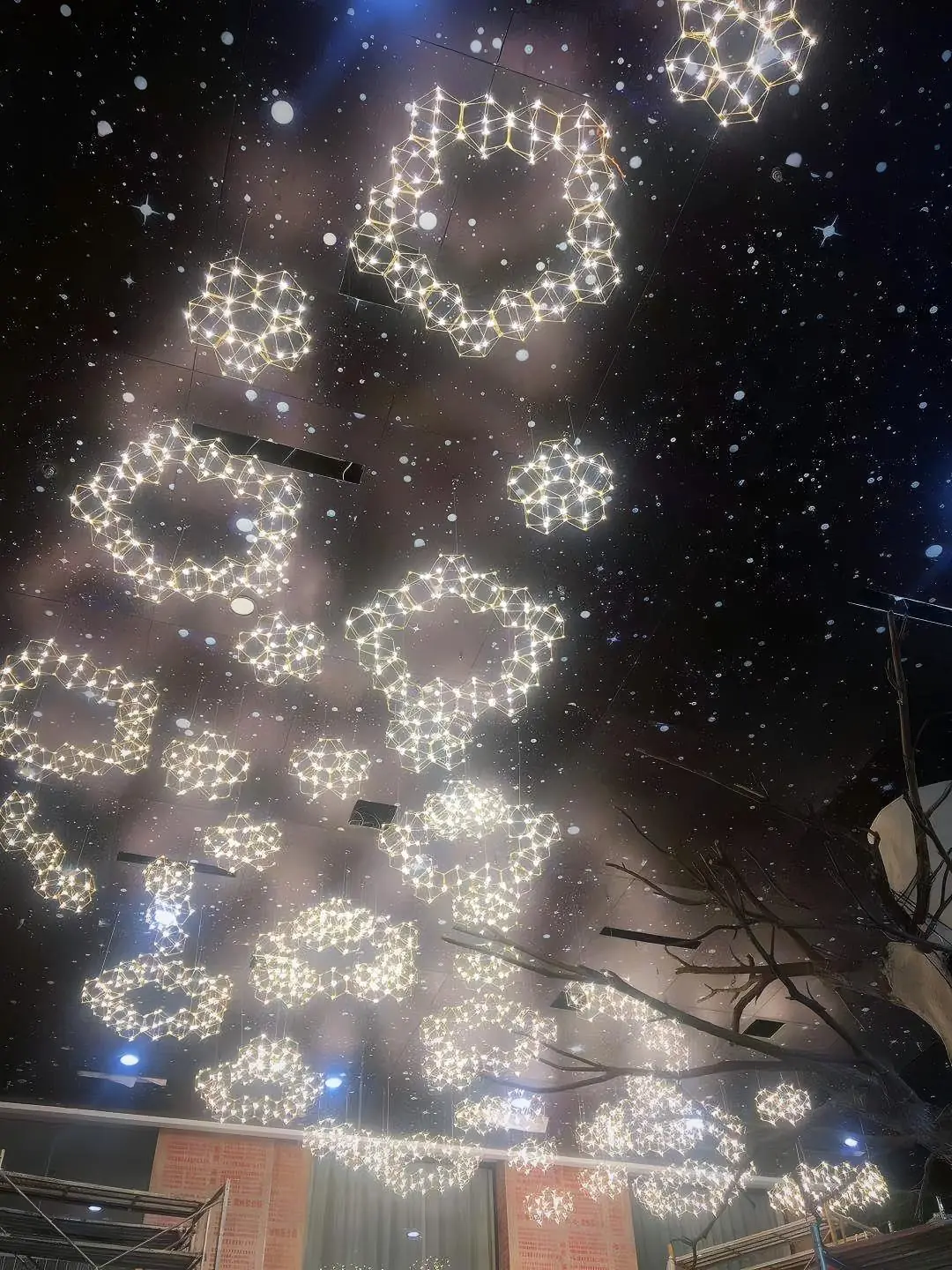
Introduction: The Choices You Make Today Shape Tomorrow’s Light
Here’s a bold truth: most lighting delays start long before the first fixture ships. Your decorative light supplier might be strong on catalogs, but weak on integration and testing—kaya you feel it down the line. In busy rollouts, teams race to open, fit out, and light spaces. Industry snapshots suggest that 25–35% of rework comes from spec drift, mismatched drivers, or underrated power converters. That’s a lot of waste for a simple glow, di ba? So the question is simple: are you picking a partner who can track specs, heat, and drivers under real load, or just moving SKUs? (Be honest.) Let’s break it down and learn how to make cleaner, safer, and faster choices—without drama.
Traditional Sourcing Has Blind Spots You Can’t See at First
Why do old sourcing models break?
When you buy piece by piece, the failure hides in the seams. A catalog says “warm white, high CRI,” but the driver IC, thermal management, and optical lens are sourced separately. Then come variance, heat, and noise. Working with a China led lights manufacturer that controls LED binning, lumen maintenance tests, and IP rating validation reduces that drift. Look, it’s simpler than you think: if the team that builds the luminaire also tunes the driver and heat sink, your flicker risk falls, and your warranty makes sense. But if four vendors each own a slice, who owns the current ripple, the surge protection, or the EMI profile? That gap is where late-night calls live—funny how that works, right?
Legacy processes also underplay field reality. Dimming protocol mismatches (0–10V vs DALI), inconsistent CRI between batches, and small changes in power converters show up only after install. Procurement chases the lowest unit price, while facilities eat the labor for rewire and swaps. Another blind spot: timelines. MOQs, long lead items, and re-qualification of finishes add weeks. If your supplier cannot simulate thermal rise at ambient plus 10°C, the finish peels and the driver derates. And cost balloons. The fix is not just “more testing.” It’s an integrated spec, factory-level validation, and traceable batches tied to real parts, not vague SKUs—and that’s okay. It just asks for a different way to compare suppliers.
Comparative Lens: New Principles That Make Future Fits Smarter
What’s Next
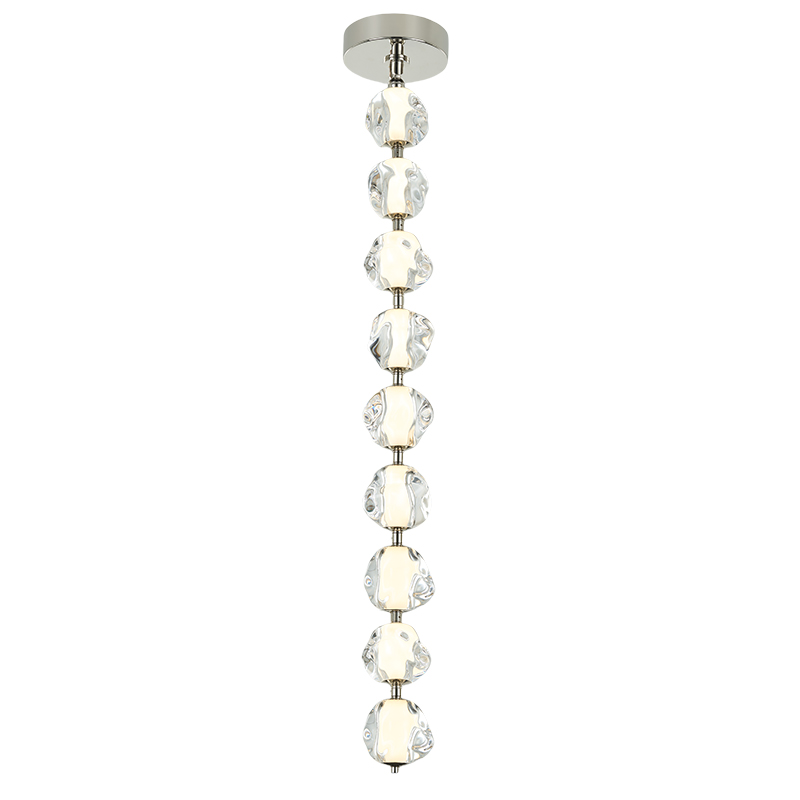
Let’s shift from firefighting to foresight. Newer manufacturers bake principles into design: closed-loop binning to lock CRI and CCT; driver-and-LED pairing validated under heat soak; modular optics you can swap without re-spinning the whole luminaire. Think digital proofs before metal: CAD plus thermal plots, then live stress on a low-voltage bus to map current noise. A good partner also documents surge margins and EMI filters, not just “works on site.” If your space lines lean to decorative pendant lighting , compare not only finish and form, but also thermal paths, driver derating curves, and dim-to-warm behavior at low loads. Semi-formal take: the more integrated the stack, the fewer surprises when the site runs hot, dusty, and busy.
Future-facing lines add sensors and simple edge checks—not heavy IoT, just smart guardrails. Example: a pendant family with preset profiles for 120V, 277V, and 0–10V dimming, with built-in surge protection and fixture-level labels for IP rating and ambient max. That means less guesswork for your techs, faster sign-offs, and cleaner energy profiles. You’ll see the wins most in multi-store rollouts: consistent color, no driver hum, and solid lumen maintenance beyond month twelve. We saw that old pain—spec drift, lead-time traps, and mismatch costs. Now compare vendors on what they prevent, not what they promise. Wait, that saves money and time.
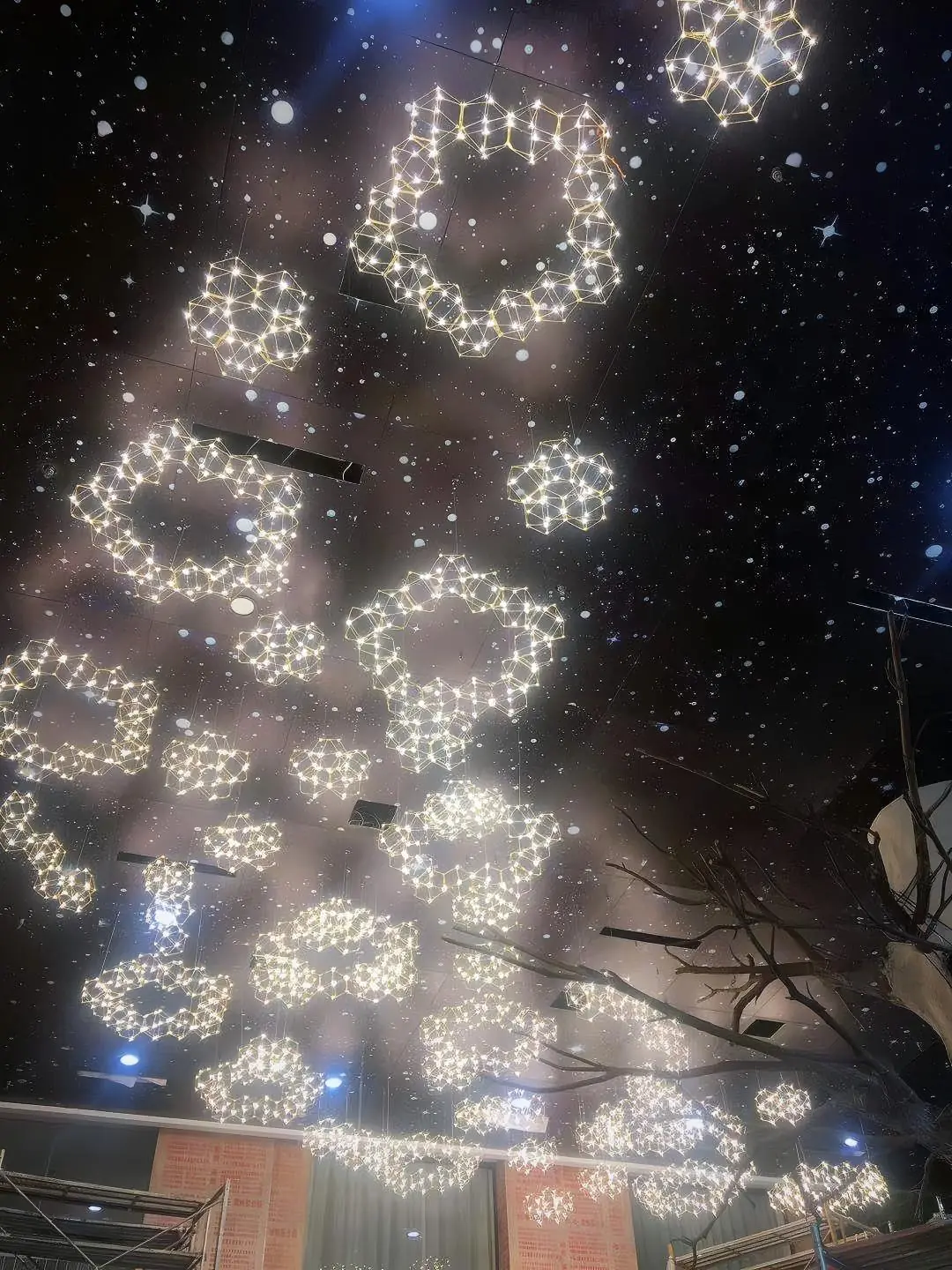
How to Choose: Three Metrics That Keep Your Project on Track
Advisory, not hype. Use these checks when you compare suppliers and shortlists: 1) System-level validation: Ask for heat-soak data (ambient +10°C), driver ripple specs, and EMI/surge test reports tied to your exact luminaire, finish, and optic. 2) Batch traceability and stability: Require LED binning records, CRI/CCT ranges, and re-order consistency for at least 24 months—no silent part swaps. 3) Installation predictability: Verify dimming protocol support (0–10V, DALI), mounting hardware fit tests, and field guides with torque, wire gauge, and IP maintenance notes. Keep it steady. Keep it practical. And keep your team sane. For a grounded benchmark across these points, see kinglong.