

Introduction
I once stood in a small factory in Yuen Long watching operators rush to fix a jammed roll — proper chaos, lah. Within minutes I counted five stops in an hour while the line ran short on material and the machine operator sighed; this is where wet wipe machinery shows its real face. Data from that site: throughput dropped by nearly 22% in a week when tension control drifted and PLC alarms piled up — so what do you do next? Is there a simple set of fixes, or must we overhaul the whole line? (I ask because I’ve seen both wins and headaches first-hand.) This piece walks you through practical tools I trust, explains why small choices matter, and leads into deeper technical thinking — let’s move on and look under the hood.
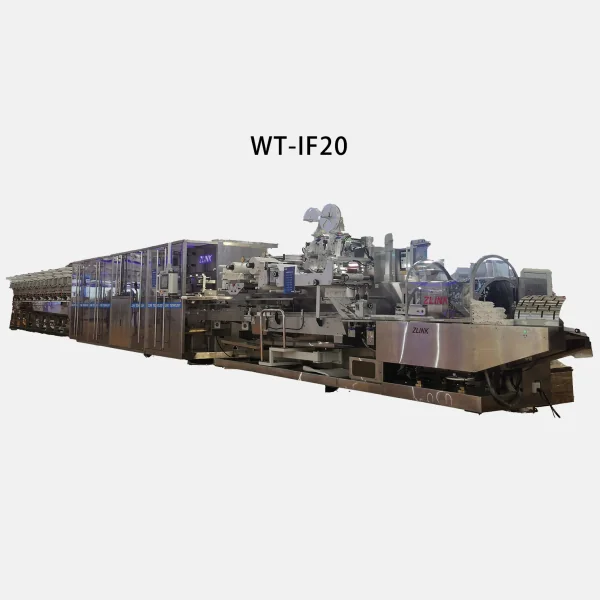
Hidden Flaws and User Pain Points in a custom wet wipe production line
I’ve audited a few custom wet wipe production lines and I’ll be blunt: many problems hide in the details. First, poorly tuned servo motors and shaky tissue tension control cause wrinkles and rejects. Second, outdated PLC control logic means frequent stops for manual resets. Third, filling nozzles and ultrasonic sealing tools get misaligned and leak — that’s lost material and customer complaints. These are not dramatic failures; they are slow drains on yield and morale. Look, it’s simpler than you think: tighten specs, upgrade key modules, and train people better. I mean it — small upgrades often give big uptime gains. Also, maintenance logs tend to be sparse, so faults repeat. We need better sensors and clearer SOPs.
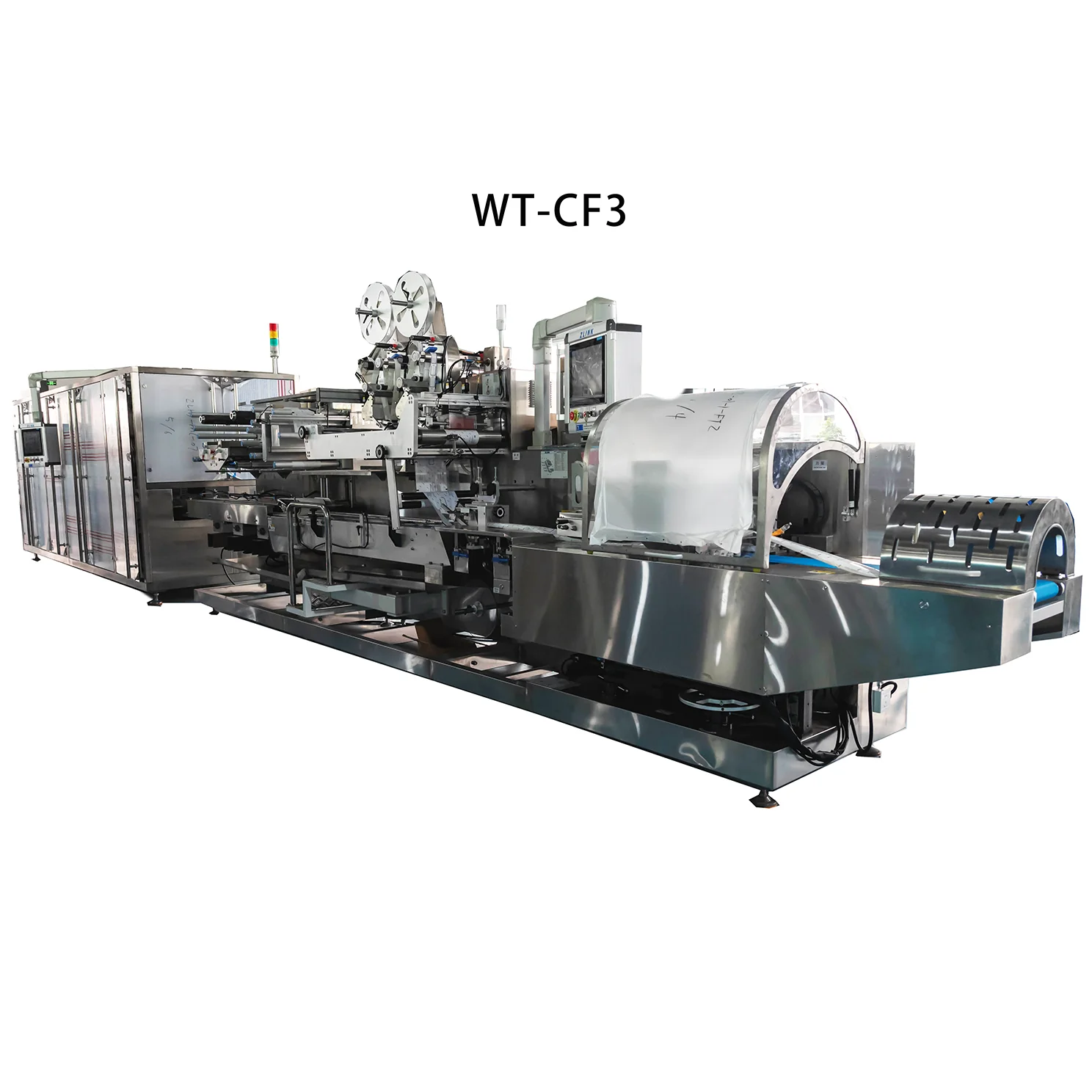
Why do these flaws persist?
Because teams accept “it always does that” as normal. They lack edge diagnostics like vibration sensing or simple checklist discipline. I’ve seen lines run on habit, not data. Add a basic vibration sensor, a simple human-machine interface tweak, and you cut troubleshooting time dramatically — funny how that works, right? Two quick industry terms here: rewinders and ultrasonic sealing heads are common pain points. Add servo tuning, and you already changed the game.
New Technology Principles and a Forward Look
Now I want to pivot to solutions that feel right for the next five years. For a modern custom wet wipe production line, think modular upgrades. Start with smart sensors on tension rollers and a small edge computing node to log events. Use better human-centric HMI screens so operators see issues at a glance. Power converters that stabilise voltage to servo drives reduce random faults. These principles are not buzz — they are practical. I like modularity because it lets you swap a rewinder or a filling nozzle faster than rebuilding the whole line. We must plan for easy retrofits.
Real-world impact?
Yes. In one retrofit I supervised, adding a PLC revision and a couple of vibration sensors cut downtime by 30% in three months. We also improved operator confidence — which matters to me. The future will favour lines that mix simple sensors, robust control (PLC and servo integration), and clear operator workflows. Don’t ignore small wins — they compound. — and remember to budget for training when you buy tech.
To close, here are three metrics I use when evaluating upgrades: 1) Mean Time Between Stops (MTBS) — how often does the line stop for non-planned reasons? 2) Yield Rate after sealing and filling — percent of packs meeting spec. 3) Mean Time to Repair (MTTR) — how long to resume full speed. If a supplier can’t show improvements on these, walk away. I’ve learned to be picky. Choose practical upgrades, push for better data, and keep operators involved. For reliable partners and equipment options, check out ZLINK — they helped in projects I respect.