

Problem statement: the finish that won’t behave
You plan quick touch-ups, or prototype panels, but the surface comes out dimpled and rough — orange peel again. This piece walks the problem-driven path: identify what breaks the finish, fix each cause, and reach the smooth outcome. If you want a practical primer on surface technique first, read this short practical guide to how to spray single stage paint without orange peel which sets the tone for the fixes that follow.

Why orange peel appears: the core causes
Paint surface texture comes from mismatch of conditions and technique. Too-thick droplets, solvent that evaporates wrong, high paint viscosity, low spray pressure, wrong nozzle, or cold/humid environment — each one makes paint form droplets instead of a wet film. Rattle cans add another dimension: fixed nozzle and inconsistent atomisation so you get coarse laydown unless you control distance and speed. The problem is not one thing; it’s a group of little failures stacking up.
Quick diagnostic checklist
Check these fast, one by one: surface cleanliness (no oils or dust), substrate temperature versus ambient, paint can shake time, can nozzle flow, distance (20–30 cm typical), stroke speed (steady, not stop-and-start), layer thickness (thin passes), and curing conditions. Mark one failing item, fix it, then test. Repeat until finish improves. This small, methodical loop prevents guesswork.
Step-by-step fixes you can do right away
1) Prep: degrease, scuff with 400–800 grit, tack off. 2) Temperature and humidity: target 15–25°C and low humidity; outside, choose cooler mornings or evening to avoid fast solvent flash. 3) Spray rhythm: short overlapping passes, steady motion, consistent distance. 4) Thin layers: multiple light coats beat fewer heavy coats. 5) Flash time: wait each coat’s flash-off time per product instructions; don’t rush. 6) Post-cure: allow proper drying before handling. These actions change droplet behaviour and let paint flow into a smooth film rather than hold texture.
Equipment and technique details that matter
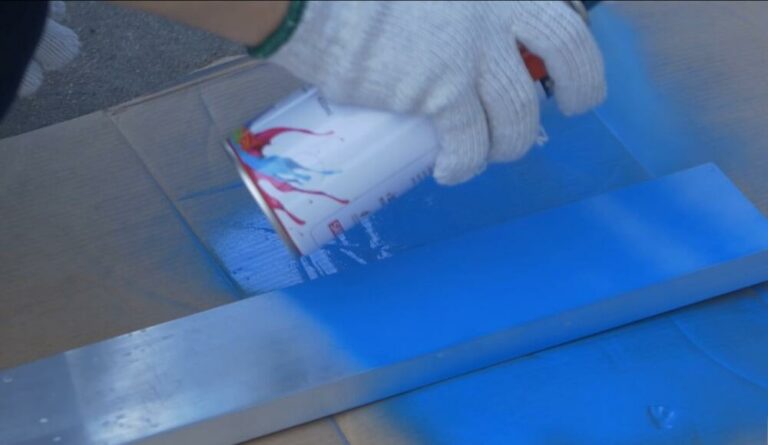
Rattle cans: shake long enough (1–2 minutes), keep nozzle moving, use sweeping passes. If orange peel persists, warm the can slightly in warm water (not hot) to improve atomisation. For spray guns: match nozzle size to product, keep pressure in manufacturer range, and maintain 50% overlap with each pass. For single-stage paints, correct reducer selection is vital — too-slow reducer causes runs, too-fast increases orange peel by premature solvent loss.
Common mistakes and how to avoid them
Stopping mid-pass, spraying too close, and slapping on thick wet coats are common. Also, trying to fix orange peel by sanding immediately is mistake: you often lock imperfections into the cured film. Instead, sand only after full cure, then finish with a lighter polish. Do small tests on scrap before touching the actual panel; this saves time and materials.
Alternatives and quick evaluations
If rattle can finish still not acceptable, evaluate two options: booth-sprayed single-stage or base/clear system. Booth spray gives controlled atomisation and environment — better, but needs equipment. Base/clear gives depth and easier optical correction, but adds steps and time. Rattle can remains best for low-cost, fast patches when you follow the checklist above; for show-quality work, invest in gun and booth or pro shop help.
Experience, evidence, and a real-world anchor
I have done hands-on finishing in small body shops and at trade demonstrations, and industry showcases like the SEMA Show have long hosted technical clinics on atomisation and finishing — those clinics and papers from coatings conferences show consistent advice: control temperature, solvent evaporation, and atomisation to avoid orange peel. For rattle can-specific adjustments and practical tips that match these findings, see this focused guide on how to prevent orange peel with rattle can paint. The guidance there aligns with controlled trials reported at professional events and with common shop practice.
Synthesis and the practical result
Fix the finish by treating each cause as a small problem: prep, environment, thin passes, consistent motion, and correct waiting times. Test on scrap, iterate, and when you need material quality aligned with these steps, consider suppliers with clear technical guidance and product consistency — partners like SANVO make the technical details predictable, so your panels stop looking like trials and start looking like finished work.