

You’re about to solve a tracking headache — and probably create a new one
So you need live temperature data and location tracking without wrestling with cables, spreadsheets, or a PhD in antenna whispering. Good move. The trick is knowing which trade-off will bite you later. If you haven’t checked compatibility and read the small print on read ranges, you’ll end up with a dozen shiny uhf rfid tags that work perfectly on paper and poorly in your warehouse corners.
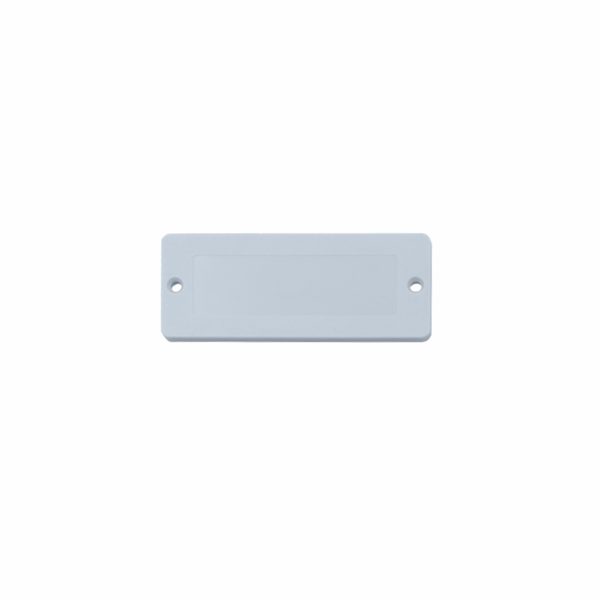
Essential questions to ask the vendor (ask them now, not after the carton arrives)
Does the tag’s advertised read range match my environment — metal racks, liquids, and concrete floor all reduce range; does the vendor supply field test data? What’s the temperature sensor’s accuracy and calibration interval; is it stated in the spec sheet and can it be verified on delivery? How’s battery life measured — real-world duty cycles differ from lab cycles; ask for lifecycle estimates tied to your expected ping rate. Is the tag active or semi-active, and what protocol/profile does it use for interoperability with my readers and middleware? What physical attachment options exist for my surface (adhesive, rivet, strap), and what IP rating will survive my use case?
What will actually break you if you ignore it
Battery life myths are the usual culprit — vendors love optimistic cycles. You’ll also see mismatched RF profiles: a reader set to one EPC/air interface and tags shouting another. Temperature hysteresis and placement errors cause false alerts; sticking the tag to a cooling coil is not the same as measuring payload temp. And don’t forget certification: regulatory differences mean a tag that works in a North American warehouse might be illegal or underperforming in other regions.
Common procurement mistakes people make (and laugh about later)
Buying only by price is the classic. So is assuming “temperature” implies calibrated, traceable readings; many tags give relative temperature, not traceable accuracy. Overestimating reading distance based on open-air specs is another — dense storage setups demand on-site trials. Finally, neglecting firmware or middleware support means you’ll wrestle with data formats and missing timestamps instead of solving logistics problems.
Viable alternatives and when to pick them
If your goal is short bursts of temperature logging without continuous location updates, battery-assisted passive UHF tags or BLE temperature loggers might be cheaper and simpler. For extreme ranges or continuous streaming, a cellular IoT sensor could beat active UHF tags despite higher recurring costs. Choose active UHF with temp sensing when you need moderate-to-long read ranges, decent battery life, and tight integration with existing reader infrastructure.
Experience, authority, and a single real-world anchor
Operational teams at major container hubs have tested these choices under stress. Lessons from Port of Rotterdam operations show how tag placement, reader density, and environmental shielding determine real performance; supply chains lean on proven vendors discovered through trade shows and procurement rounds. For sourcing and comparisons, the list of recognized uhf rfid tag manufacturers helps you shortlist parts that actually ship factory-verified specs rather than marketing promises.
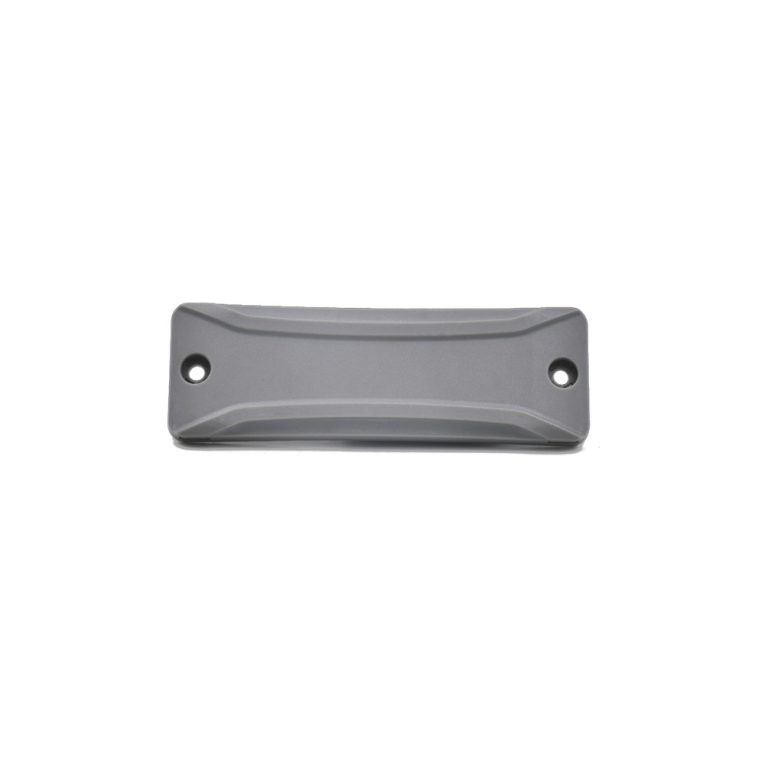
How to verify before you order — a quick checklist to avoid regret
Request a usable sample and run a site read test in your busiest aisle; measure battery drain over a week with your intended ping frequency; demand calibration certificates if you need traceable temps; verify attachment methods on the exact surface you’ll use; and confirm firmware update procedures and security features, because an unpatched device is an open door.
Final thought — make sure it solves the right problem
You wanted fewer surprises and better visibility. Ask the practical questions above, run the real-world tests, and match the tag’s specs to your environment rather than to shiny brochures. If you do that, the solution you land on will behave in the field — and that’s the kind of sensible, competent outcomes people expect from RSTC.