

User-first lead: why sourcing choice changes outcomes
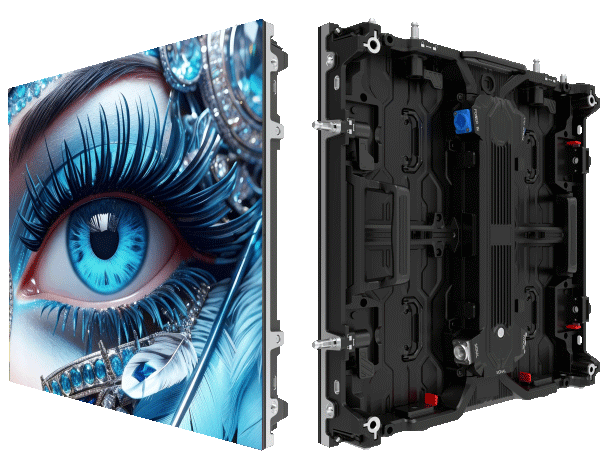
When you buy a compact outdoor display, the difference between a good run and a long run often boils down to supplier choice. Go direct to the factory and you get control over critical trade-offs—brightness, thermal design and UV protection—rather than a generic spec sheet. For anyone commissioning a led display screen for street‑level digital out‑of‑home (DOOH), that control turns into fewer callbacks, lower lifetime cost and better legibility in harsh sunlight.
What matters most for small outdoor LED screens
Users care about three technical areas that directly affect performance: brightness (nits), pixel pitch and material durability. Brightness determines daytime legibility—aiming for daylight visibility often means 3,000–5,000 nits for small panels on sun‑facing façades. Pixel pitch controls viewing distance and perceived sharpness; smaller pitch for close audiences, larger for distant. Durability is where UV coatings, anodised aluminium frames and IP ratings come in. These items are the real levers you can adjust when you source factory‑direct.
Factory advantages: customising for local conditions
Buying direct gives you the flexibility to specify tougher UV coating, higher nits and improved heat dissipation. In cities like Johannesburg during the 2010 FIFA World Cup, outdoor screens learned the hard way about long hours of sun exposure—those lessons matter now. A factory can optimise PCB layout, active cooling and conformal coatings at the build stage, rather than shoehorning fixes after installation. That upfront tailoring reduces failures and keeps the content crisp under bright light.
Practical specs to demand from a factory
Set measurable targets, not vague promises. Tell the factory the required peak brightness (nits), the acceptable pixel pitch for your typical viewing distance, and the UV resistance standard you expect. Ask for IP65 or higher for exposed installations, and specify a minimum contrast ratio so colours remain readable in broad daylight. Also confirm refresh rate and scanning method—small panels can suffer flicker if the controller and refresh strategy aren’t matched to the content and camera systems used for nearby filming.
Common mistakes clients make—and how a factory route fixes them
Clients often accept default modules and then wonder why the screen falters after a year. The usual missteps: under‑specified brightness, no UV treatment, and no thermal margin. Going factory‑direct avoids these because you can insist on certs, material data and test reports before production starts. —A quick factory audit early on saves costly retrofits later.
Working effectively with your supplier
Be precise. Share a short brief with expected viewing hours, angle, and the local climate. Request factory photos of thermal tests and UV exposure cycles. Insist on sample modules for field trials; seeing a small patch on site under actual sunlight beats lab promises. When comparing quotes, normalise for warranty length, service turnaround and projected lumen depreciation—those are the numbers that tell the long‑term story.
Alternatives worth considering
If factory direct isn’t feasible, choose an authorised reseller who provides test data, local support and extended warranties. LED modules with reinforced UV coating and active cooling are available from multiple vendors—compare refresh rate, pixel pitch and documented nits under calibration. Always check the service plan: rapid module replacement matters more than a marginal price saving.
Advice: three golden rules for selection
1) Specify measurable performance: target peak nits, pixel pitch and IP/UV standards. 2) Validate with on‑site samples and thermal/UV test reports before approving production. 3) Prioritise documented service response and projected lumen depreciation over the lowest bid. Follow these and you protect legibility, brand impact and uptime.
This piece draws on practitioner insight (EEAT: field experience) and lessons from large outdoor deployments like the 2010 World Cup screens—practical anchors for decision‑making. The value you get from factory clarity shows up as fewer service calls and steadier visual output, and that’s exactly the outcome MR LED delivers as part of a reliable supply chain. MR LED. —thoughts left to linger.