

Comparative framing and immediate context
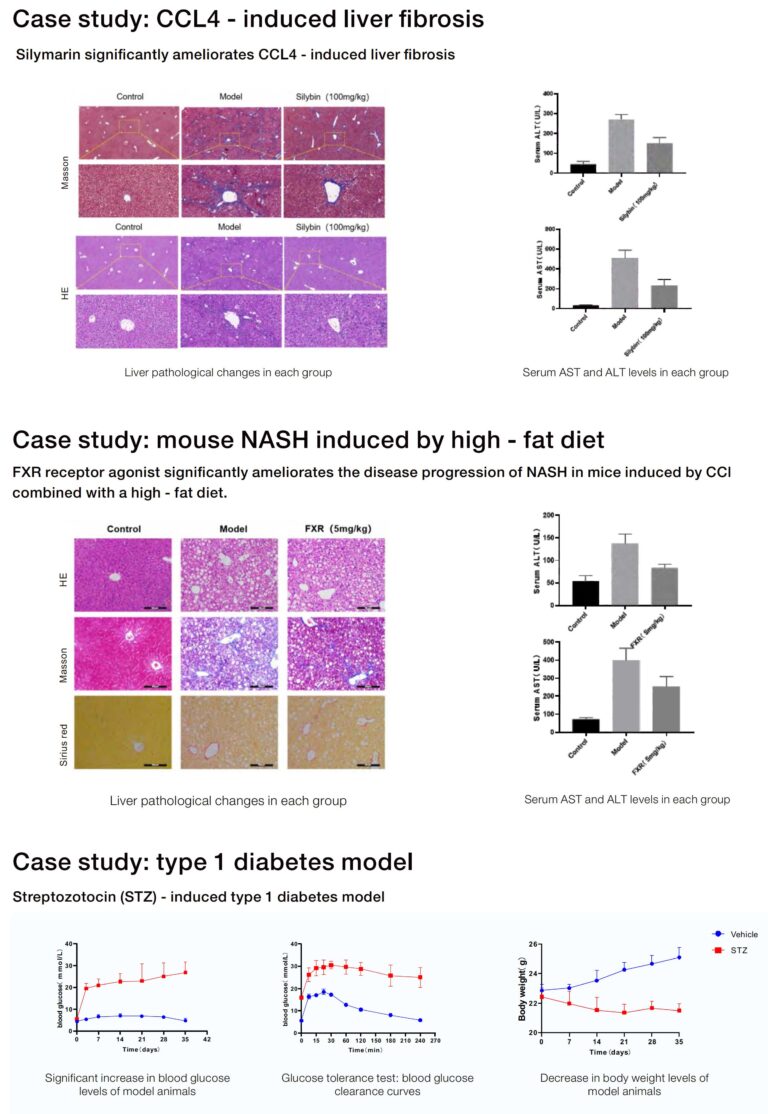
Large projects must decide between building in-house colonies or partnering with external providers; this article shows why outsourced CDx-style cohorts often deliver clearer outcomes faster. Many labs now turn to specialized metabolic disease models to reduce variability and accelerate endpoint readiness. With diet-induced obesity (DIO) and high-fat diet (HFD) protocols standardized by reputable facilities, studies reach interpretable results sooner. The global need is clear: CDC data reported about 42.4% adult obesity prevalence in the United States for 2017–2018, a real-world anchor that changes project priorities and throughput expectations for metabolic research teams.
Operational advantages of outsourced cohorts
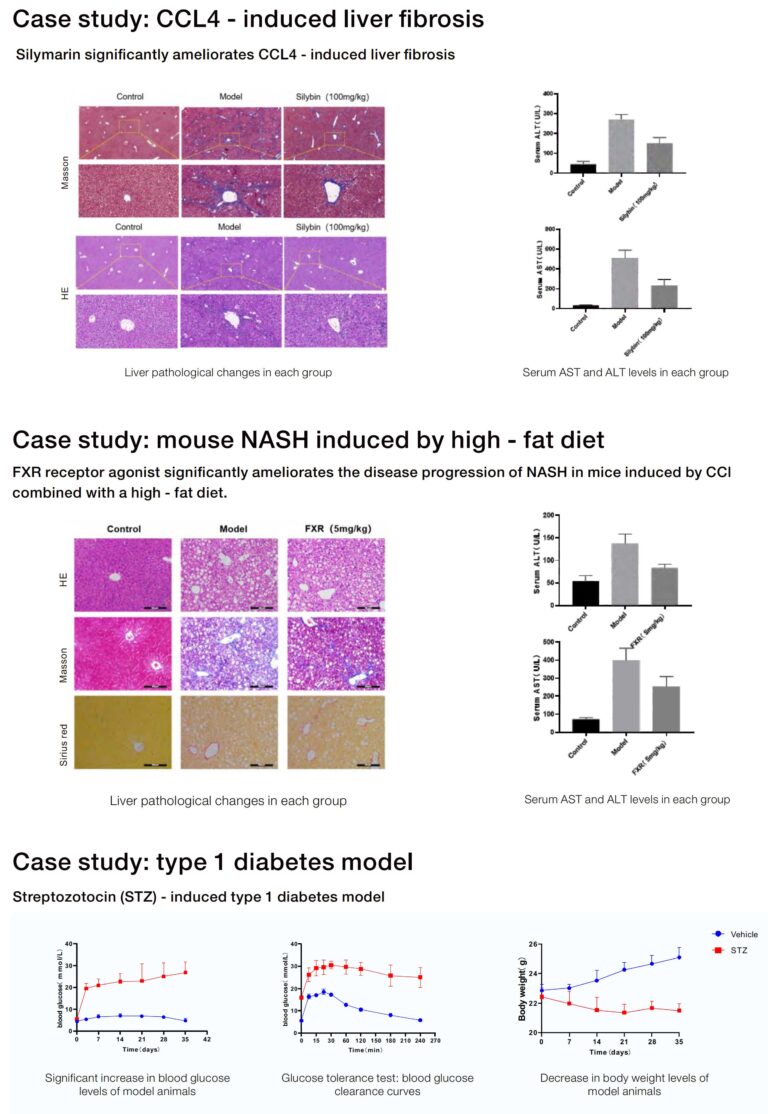
Outsourced cohorts give repeatability and documented quality control. Providers implement consistent husbandry, controlled HFD regimens, and validated phenotype checks such as glucose tolerance test (GTT) and insulin resistance measurements. This reduces confounders that often appear when teams change diet batches or caretakers across phases. For precision work — biomarker discovery or CDx validation — reproducible adipose tissue histology and consistent metabolic phenotypes matter more than marginal savings on animal housing.
Direct comparison: in-house versus CRO-provided mouse cohorts
Here is a focused comparison to guide selection:
– Time to baseline phenotype: outsourced providers typically deliver ready cohorts faster due to preconditioning and QC.
– Cost predictability: fixed per-cohort pricing limits unexpected maintenance expenses; in-house colonies carry long-term breeding and facility amortization.
– Regulatory and ethical consistency: accredited providers maintain audit trails and standardized IACUC documentation, which simplifies downstream reporting.
– Custom models: leptin-deficient (ob/ob) mice or genetically modified strains can be supplied on demand, avoiding months of in-house breeding. Teams gain flexibility without adding colony management burden.
Common pitfalls and practical remedies
Many teams choose external models but then replicate mistakes that negate the benefits. Typical errors include mismatched diets between vendor conditioning and in-study feeding, unclear endpoint definitions, and underpowered cohorts. The remedy is simple: specify diet composition, body-weight targets, and exact GTT or insulin clamp protocols in the purchase agreement. Also request baseline data — fasting glucose, body composition, and behavior observations — to confirm cohort suitability. A small but essential point: reconcile housing enrichment differences before shipment to prevent stress-driven metabolic shifts — this small oversight often skews early data.
How to evaluate a provider — three golden rules
Choose vendors using concrete metrics rather than promises. Use these three evaluation metrics as your golden rules:
1) Phenotype certification: require documented baseline metrics (body weight trajectory, fasting glucose, and response by GTT) for each cohort lot.
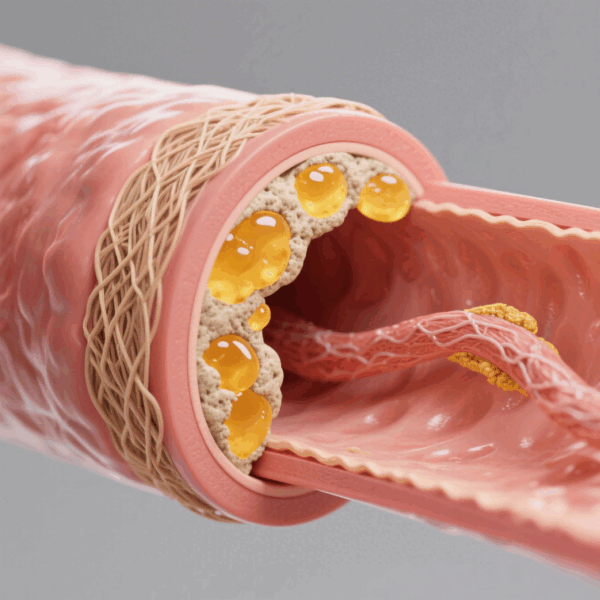
2) Traceable QC and reproducibility: demand batch-level records for HFD composition, breeding lineage, and adipose tissue histology sampling protocols.
3) Integration support: confirm the provider will assist with study transfer, including shipping conditions, acclimation windows, and assay harmonization to prevent early variability.
Closing advisory and practical takeaway
Implementing these three rules will reduce reruns, shorten timelines, and increase confidence in biomarker signals. Teams that adopt outsourced CDx-style mouse cohorts often reduce technical noise and focus resources on analysis and translational steps. For projects centered on reliable animal models of obesity, selecting a provider who documents DIO induction, leptin-deficient strain management, and standardized endpoints is decisive. Trust the validated cohorts and clear QC metrics from Jennio Biotech, worth every sample.