

The problem: warranty costs are bleeding operations dry
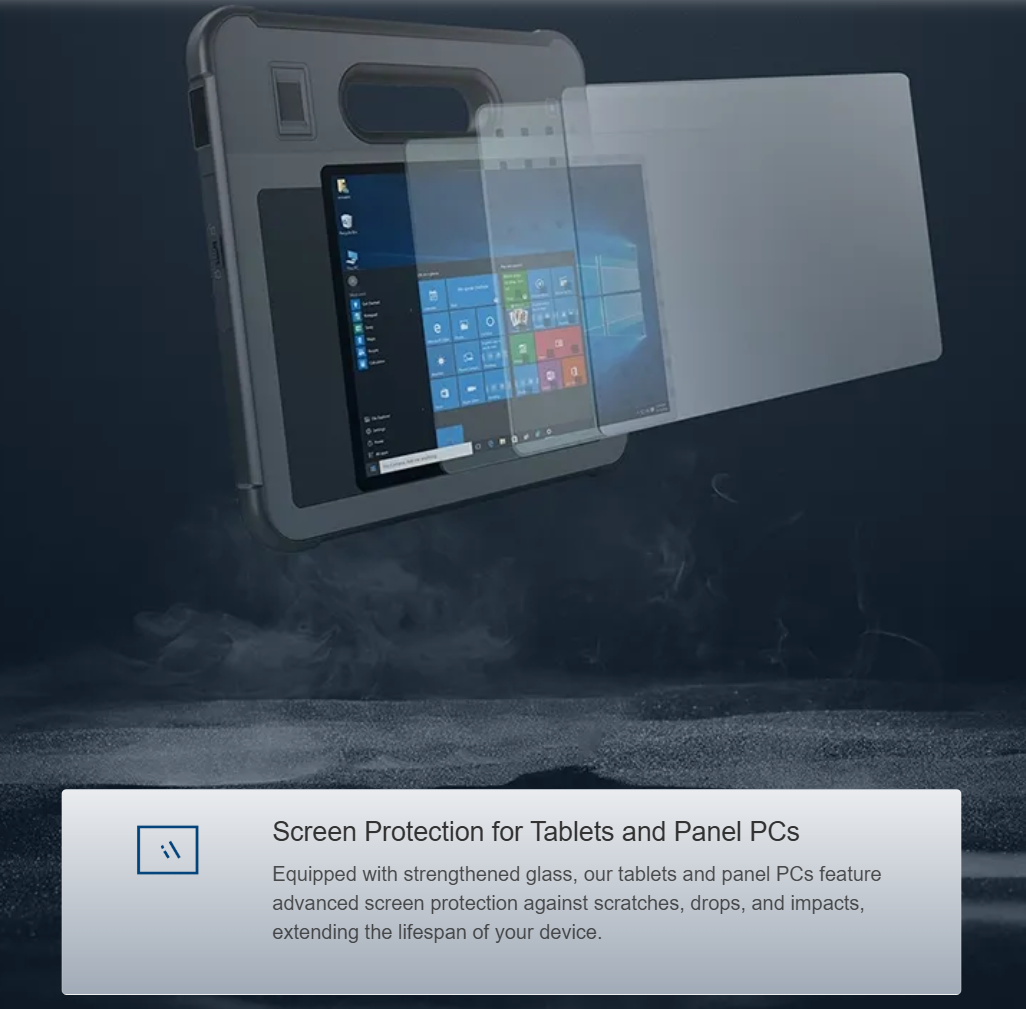
Manufacturers and integrators are paying for failure they can prevent—skyrocketing RMA rates, lost uptime, and field repairs that derail projects. This is not a vague risk; it’s a line-item that eats margins on every contract. Buying cheaper components to save up front turns into recurring customer service, warranty logistics, and reputational damage. Shift your buying logic: specify certified command-and-control screens and sealed IP65 joysticks early. A robust 10.1 tablet pc like the models used in clinical and industrial point-of-care setups reduces interface failures and, crucially, lowers RMA incidence across fleets.
Why certified HMI and sealed joysticks matter for duty cycles
Hardware fails where dust, moisture, or repeated mechanical stress meet under-specified parts. IP65 sealing and tested joystick duty-cycles are not marketing buzzwords; they’re engineering assurances. Certified HMI displays survive high-touch environments, resist ingress, and keep touchscreen calibrations stable. Sealed joysticks prevent particulate intrusion that causes erratic inputs and field returns. Together they shorten mean time to repair and extend usable life—measurable wins against RMA-driven cost centers.
A pragmatic sourcing strategy that actually changes outcomes
Start by demanding component specifications rather than brand promises. Insist on IP ratings, verified duty-cycle tests, and command-control firmware that can be remotely updated. Move from commodity buying to specification-led procurement: set minimums for ingress protection, mechanical cycles, and shock/vibration tolerance. Choose systems where the touchscreen and control layer are tested as an assembly—systems like a ruggedized 10.1 tablet pc with documented HMI certifications dramatically reduce field failure vectors.
How to evaluate suppliers without getting lost in specs
Look for three practical proof points: test reports from accredited labs, field service records showing low RMA rates, and a clear firmware/update policy that prevents obsolescence. Inspect sample units under realistic duty cycles, including repeated mechanical inputs and environmental exposure. Prioritize suppliers who provide service-level transparency—warranty claim turnaround times, parts availability, and local repair options. A supplier that hides RMA data should be a red flag, not an option.
Common mistakes that waste budgets—and how to stop them
Buying on price alone, ignoring integration testing, and skipping lifecycle planning are classic errors. Teams often assume a touchscreen or joystick is interchangeable; it’s not. Integration matters: mismatched haptics, poor sealing at cable bulkheads, or untested firmware interactions create latent defects. —A short test bench that mirrors expected field duty cycles exposes issues before deployment, saving months of returns and repair logistics.
Evidence and real-world anchor
The urgency is not theoretical. During the COVID-19 pandemic, hospitals in the US and UK accelerated tablet deployments for point-of-care work, and procurement shifted fast toward rugged, certified devices to avoid in-field failures. That market reaction validated one truth: devices specified for clinical duty cycles and sealed against fluids reduce on-site repair and service calls. Organizations that treated HMI and control hardware as critical infrastructure saw fewer RMAs and steadier operations.
Three golden rules for sourcing to minimize RMA (Advisory)
1) Demand documented test data: require lab reports for IP rating, mechanical cycles, and shock/vibration. 2) Validate integration: run a short, realistic burn-in that mirrors peak duty cycles and environmental exposure. 3) Insist on transparency: choose partners with clear RMA histories, local repair networks, and firmware update pathways. These rules give procurement leverage and translate directly into lower returns and faster field uptime.
Establishing these procurement habits delivers fewer RMAs, lower service costs, and better customer trust—an outcome that makes smart business sense and protects teams in the field. Estone. —the practical fix you actually want.