

Setting the scene
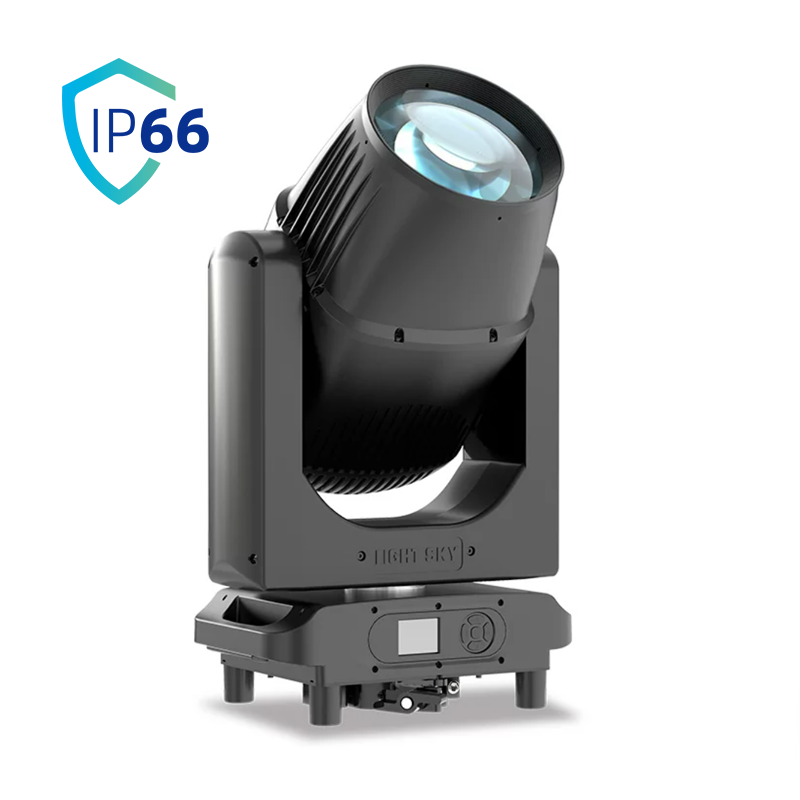
Folks in the rigging crew and FOH desks are already talking about what comes after the current crop of fixtures — and it’s not just brighter LEDs. Right off the bat, the led wash moving head has become a baseline for many houses, while major tours still call on reputable stage lighting equipment supplier lines for repeatable reliability. This piece maps the likely changes in moving-head design, control and deployment from a user-first viewpoint — no fluff, just what crews and designers will feel on the ground.
Why the next wave matters
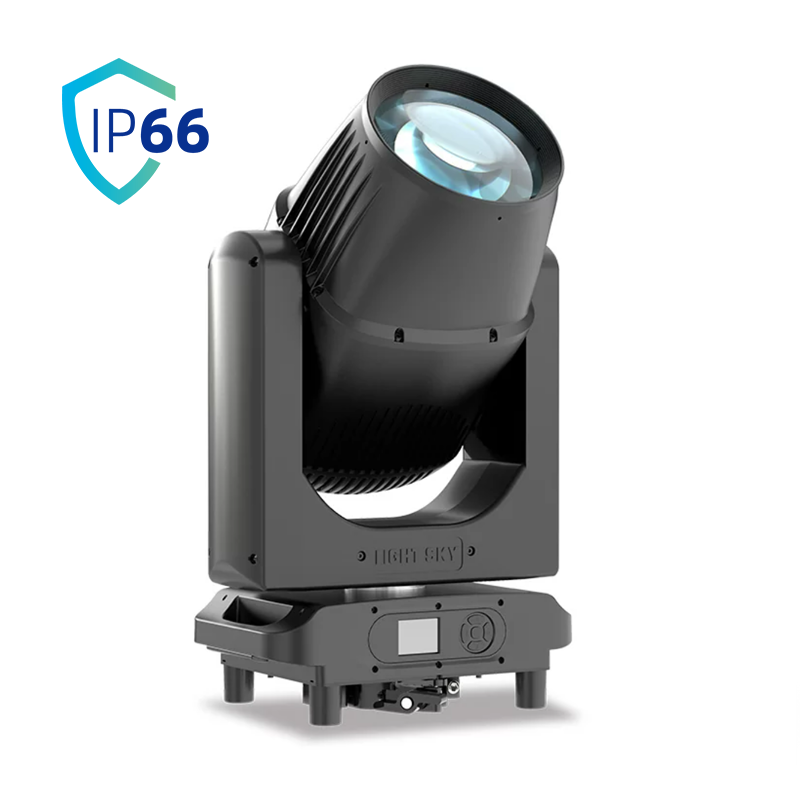
Specs are neat, but the real shift arrives when fixtures change how shows are built. Think lower weight for truss loading, smarter onboard control to cut DMX clutter, and optics that let you swap from wide wash to tighter beam without swapping housings. Live events like Coachella and stadium runs already test these ideas — rigs there force gear to be flexible, durable and energy-efficient. LED adoption means crews can run longer shows with less power draw, and that changes rig planning and trucking costs too.
Key tech trends taking shape
Look for three main threads: modular optics, embedded intelligence and serviceability. Modular optics let a single unit shift beam angle or deploy a gobo wheel tailored to the moment. Embedded intelligence brings fixture-level diagnostics and protocol awareness, so RDM or sACN chatter tells you which head needs attention before it fails. Serviceability matters because a road team can’t afford long bench time — quick lampless swaps and accessible power/data ports save hours.
Comparing what’s out now — practical view
There’s a clear split between wash, spot and beam heads. Wash heads deliver even color and good color temperature control; spot heads give crisp gobo projection and focus; beam units push hard for long-throw looks. Choosing means matching purpose to fixture: a festival rig wants punch and low maintenance, a theatre needs precise color and repeatable focus. Consider lumens and CRI alongside optical features like zoom lens range and gobo fidelity when sizing rigs for venues — those metrics actually predict how a fixture will look onstage, not just how it reads on paper.
Common mistakes crews still make — and how to avoid them
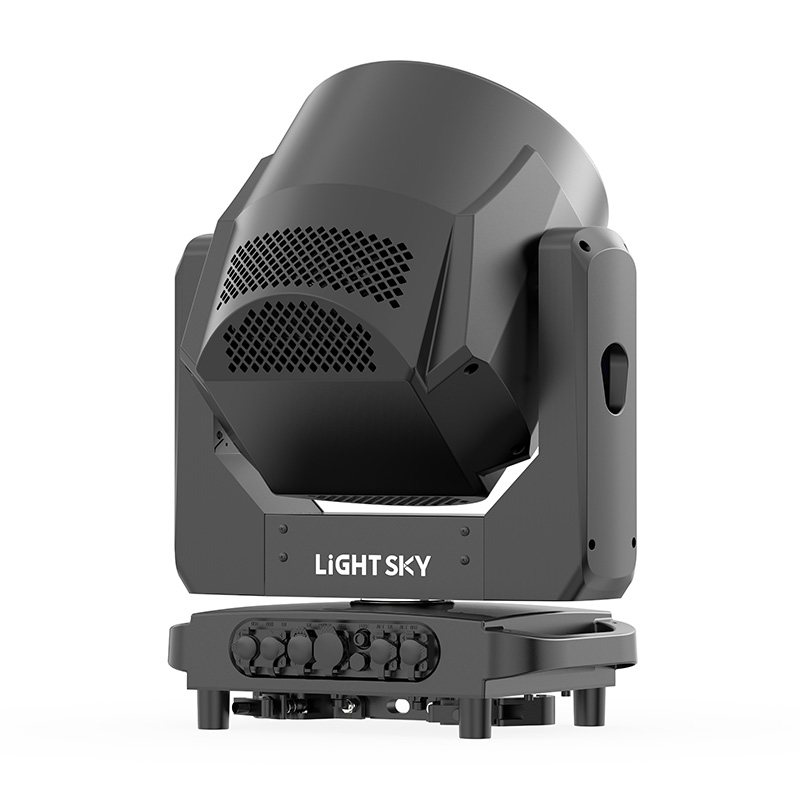
Too often teams buy for headline specs — maximum lumens or a flashy color wheel — and then struggle with control scaling or overheating. Don’t underestimate thermal design or ventilation paths when you grid dozens of heads together. Also, count the practical: how many DMX universes will your console push, and will fixtures speak RDM for remote addressing? Train operators on fixture presets and keep spares written into the logistics plan — that saves a late-night patch job. — Small prep prevents big rush jobs at load-in.
Alternatives and real choices
If you’re weighing replacing old discharge fixtures, the options are: retrofit LEDs into existing housings, buy hybrid moving heads that cover wash and spot duties, or standardise on a single platform for easier maintenance. Each path has trade-offs: retrofits save capex but can struggle with optics; hybrids cut inventory but sometimes compromise peak output. Venue size, budget and local tech support from your chosen supplier will often decide the right route.
Three golden rules for choosing moving heads
1) Prioritise demonstrable photometric data: request lux measurements at realistic distances rather than trusting headline lumens. That gives you a true sense of throw and coverage.
2) Check control and integration: confirm DMX/RDM and network protocols, plus firmware update paths — control flexibility limits future headaches.
3) Value serviceability and supply chain: opt for models with easy module swaps and a supplier with proven field support in your region; downtime costs more than the kit.
Putting the pieces together, teams get gear that actually fits their workflow and budgets, not just a spec sheet — and that’s where Light Sky adds clear value with repeatable fixture performance and dependable support. Final note — solid choices make shows smoother, crews calmer, and audiences happier. —