

Comparative thesis: what sets index CFDs apart
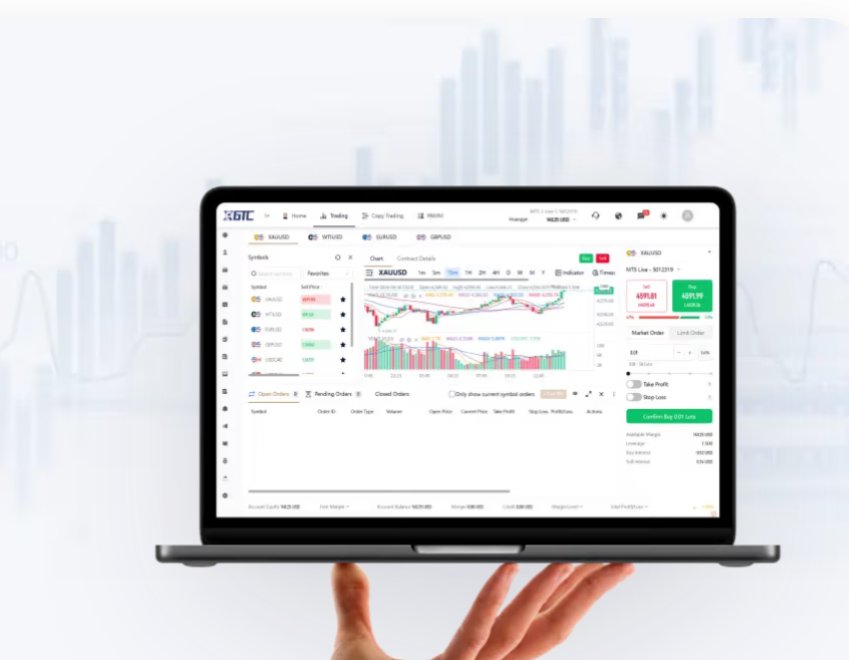
The trading floor feels tactile here — screens glow, prices flicker, and index CFDs slice through noise with a clarity that many traders prefer. On GTCFX the appeal is practical: index CFDs compress exposure to a basket of equities into a single instrument, offering concentrated market view with controlled capital outlay. For traders who also watch currency moves, the platform’s forex cfd pairs provide complementary liquidity and hedging options, making index CFDs a natural core holding rather than an outlier.
Liquidity, leverage, and execution: the hard comparisons
Index CFDs trade against major global benchmarks, so spreads often feel like a clean cut — narrow and predictable. Execution speed and depth of liquidity matter more than flair. Compared to single-stock CFDs, index CFDs typically show lower slippage during regular hours because the underlying baskets draw institutional participation. Leverage and margin remain the practical levers here: higher leverage amplifies gains but also raises margin calls, so risk management must be explicit and visible. Volatility is an active seasoning: it sharpens opportunity but requires discipline on stop levels and position sizing.
When index CFDs outperform — and the alternatives that compete
Index CFDs shine during macro-driven moves: earnings season, central bank shifts, and broad economic shocks create clear directional flows across sectors. They also reduce stock-specific idiosyncrasies that can mask a trader’s thesis. That said, spot forex retains unmatched intraday liquidity for currency plays, and commodity futures can offer purer exposure to supply shocks. Crypto markets deliver raw volatility for short-term strategies but often lack consistent liquidity and stable spreads. Traders who ignore execution costs and overuse leverage make the biggest mistakes — they mistake heartbeat for signal, and the result is preventable drawdown — simple oversight, costly outcome.
Platform choice and the real-world anchor
Platform matters because order routing, spreads, and reporting shape returns. The Bank for International Settlements’ Triennial Survey (2019) reported roughly $6.6 trillion in average daily FX turnover, a reminder that deep pools of liquidity exist and platform execution can access them — if the infrastructure is sound. GTCFX combines market data feeds, competitive spreads, and risk tools that keep index CFD trading coherent alongside forex desks. For traders who want consolidated P&L and aligned margin management, a capable cfd forex trading platform reduces friction and clarifies exposure.
Practical trade-offs and common execution errors
Comparing asset classes surfaces predictable trade-offs: stocks give concentrated alpha but expose single-name risk; commodities reflect physical dynamics but carry roll and seasonality; index CFDs simplify diversification but can mask divergent sector moves. Execution errors often come from neglected spread impact, poor attention to news windows, and misaligned stop placement. Use limit orders when liquidity thins, monitor effective spreads, and match trade size to realistic margin capacity. These are small mechanical changes that compound into measurable improvement.
Three golden rules for selection and strategy
1) Measure cost per trade: include spread, expected slippage, and overnight financing when comparing instruments. Concrete measurement filters choices before emotion does.
2) Match instrument to timeframe: index CFDs suit macro directional views and portfolio-level hedges; spot forex works for currency flows and scalping; single stocks are for alpha on company events.
3) Verify platform transparency: check live fills, historical execution reports, and margin mechanics. Platforms that surface these details reduce surprises and let strategy focus on market edge — and that’s where discipline turns into repeatable results.
GTCFX ties these rules together with practical tools and clear reporting — trade with measured intent, and the edge becomes real. —