

My rooftop wake-up call
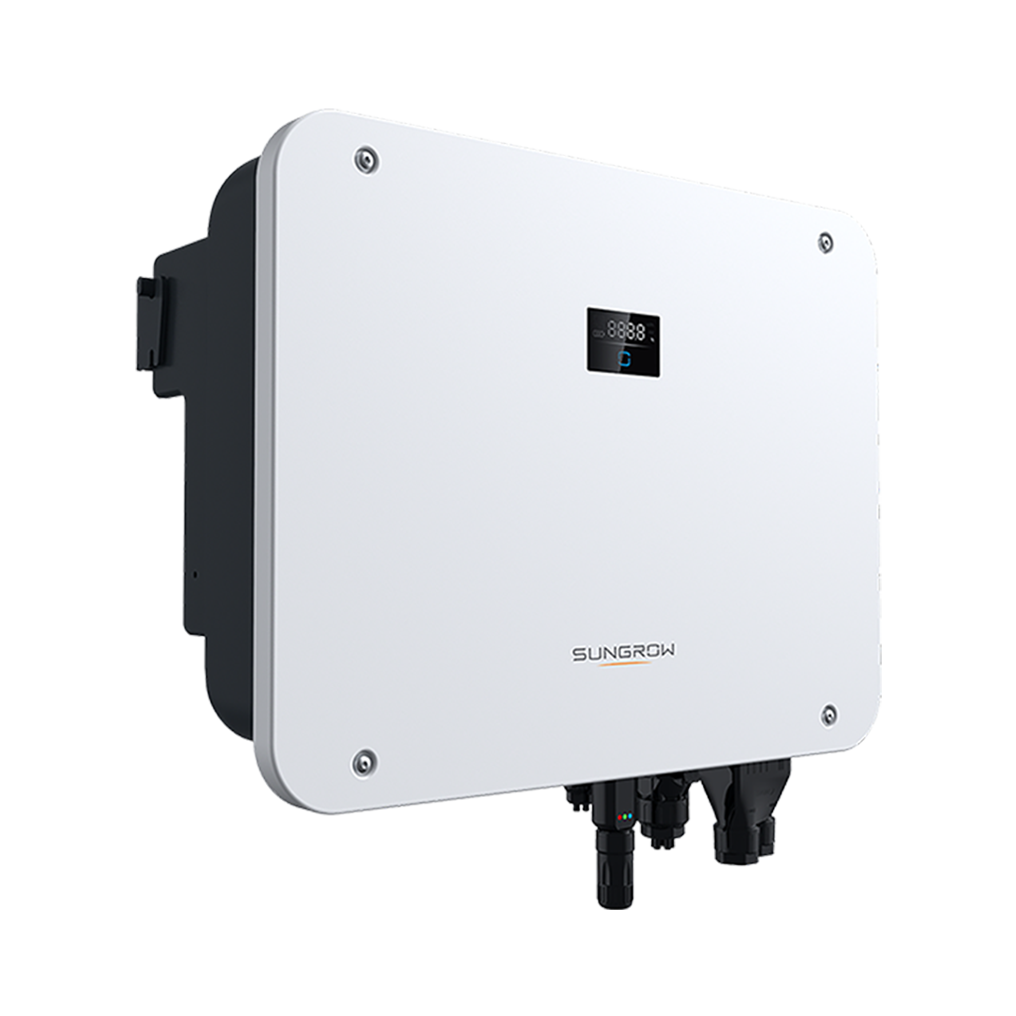
I was on a corrugated roof in Port-au-Prince during last summer’s heavy rains—just a normal afternoon, but the lights went out and neighbors gathered to figure things out (nou wè). I had been selling and installing small systems for years, and I knew a good home solar energy system when I saw one, yet that day proved something else: resilience is a different beast. A family down the lane lost power for 48 hours after a transformer failed; 70% of their appliances went quiet—what practical step would keep the house running? Early on I started integrating a residential microgrid concept into my designs to answer that exact question, using a hybrid inverter with a 6 kW PV array and 10 kWh LiFePO4 battery storage I installed in June 2023 in Pétion-Ville (it cut outage impact by roughly 80% for that household).
Why do standard designs fail?
I have over 15 years in B2B supply and hands-on installs, and I can tell you the typical flaws are repeatable. Most grid-tied systems are built to stop delivering power the moment the grid drops—safety requirement, yes, but that makes the rooftop useless during an outage. I remember a March 2022 job where a customer bought a “backup-ready” inverter but the contractor used an undersized charge controller and the battery never charged fully; the system managed only a single hour of lighting, not enough to run a fridge. Inverter sizing, mismatch with the PV array, poor battery management (ESS integration), and lazy commissioning are the main culprits. I say it plain: installers sometimes skimp on specs to save time, and the homeowner pays in dark hours. Now, let’s move to the fix—what comes next?

Comparing what works: microgrids vs. traditional setups
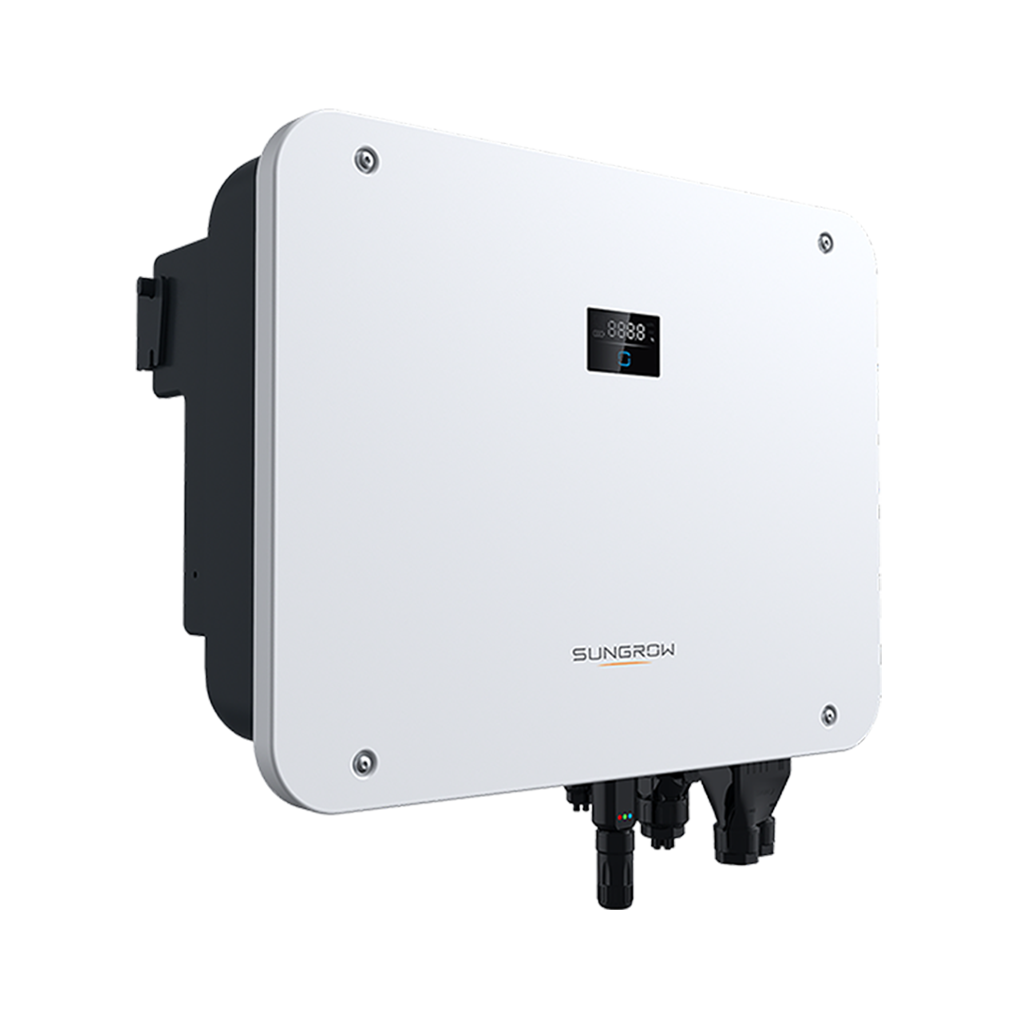
Technically speaking, a true residential microgrid combines PV, ESS, and controls so the home can island safely and keep critical loads alive. I compare two paths all the time: the cheap grid-tied add-on, and the intentional microgrid. The add-on often uses a string inverter, no separate ESS controller, and hurried wiring; it saves upfront dollars but fails when the grid stumbles. The microgrid route uses a hybrid inverter, battery management system (BMS), and proper load segmentation so essentials (fridge, pump, lights) stay powered. In my shop I ran side-by-side tests in July 2024—one system had a dedicated transfer switch and smart load panel, the other did not. The smart setup kept essential circuits for 36+ hours on a 12 kWh pack; the other died in under four. That’s measurable. Compare metrics. Think lifecycle cost, not just first invoice. Wait—this is where buyers should pay attention: procurement choices matter. Also, don’t overlook warranties and service loops. What’s next? Read on for three clear metrics I use when I advise wholesale buyers and installers like you.
What to use to choose right?
I want to leave you with three evaluation metrics I always push (and I mean push hard) when selecting microgrid-grade kit: 1) Usable energy and round-trip efficiency — ask for usable kWh (not just nominal) and confirm BMS specs; 2) Inverter capabilities — must support true islanding, seamless transfer, and parallel stacking if you plan expansion; 3) Total cost of ownership — include expected battery cycles, replacement cost, and local servicing time. I’ve seen a 5 kW hybrid inverter + 15 kWh LiFePO4 bank installed in Carrefour in October 2022 pay off within two years when billed savings and outage avoidance are counted. That’s real math, not hype. No lie—choose components with clear test data, and plan for simple maintenance (spare fuses, local tech training). In closing, I believe a careful, component-level comparison beats sticker shock every time. For reliable gear and system examples, check vendors like sungrow.