

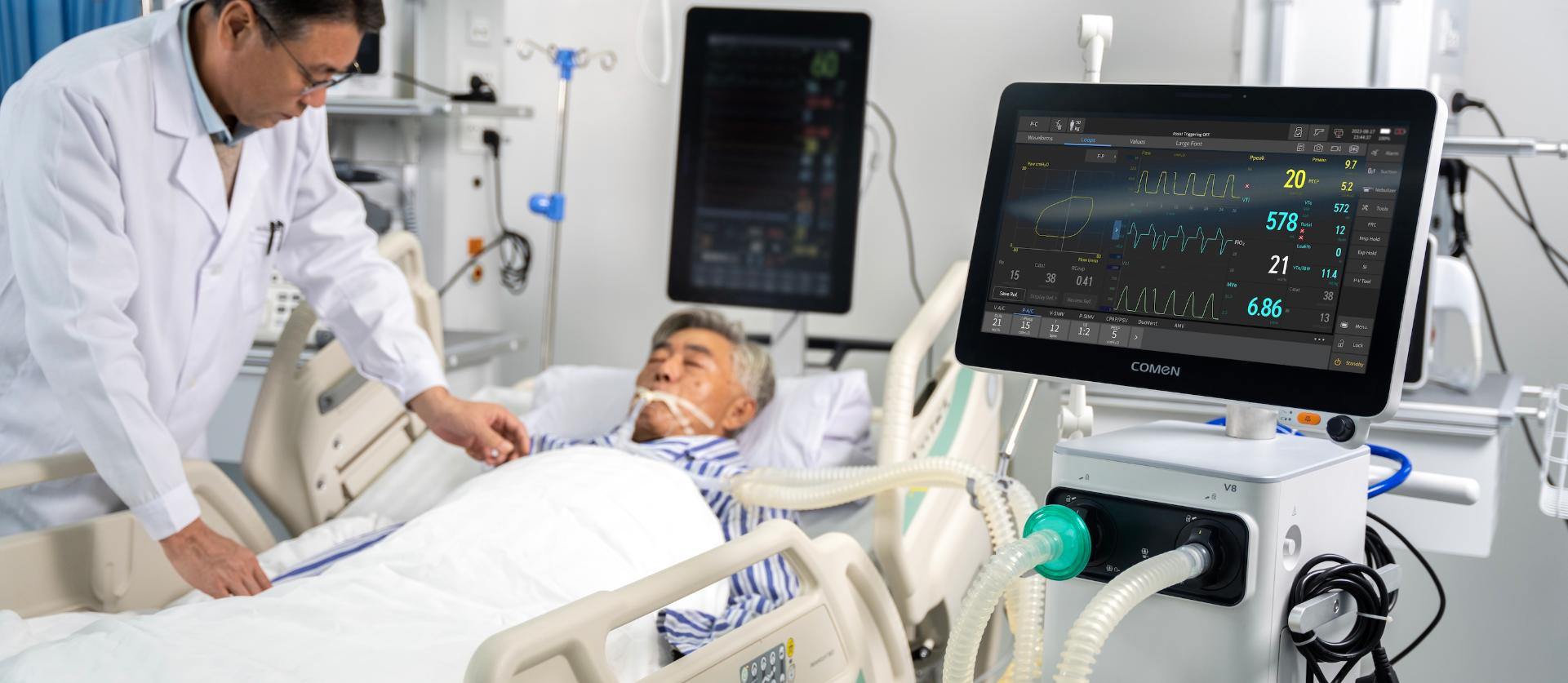
Why defaults fail—my frontline view
I still remember the night a sudden surge filled our pediatric ICU and we had to triage settings for eight patients in one hour; I logged 28 unexpected alarm events in the first two shifts—what did that tell me about default software and usability?
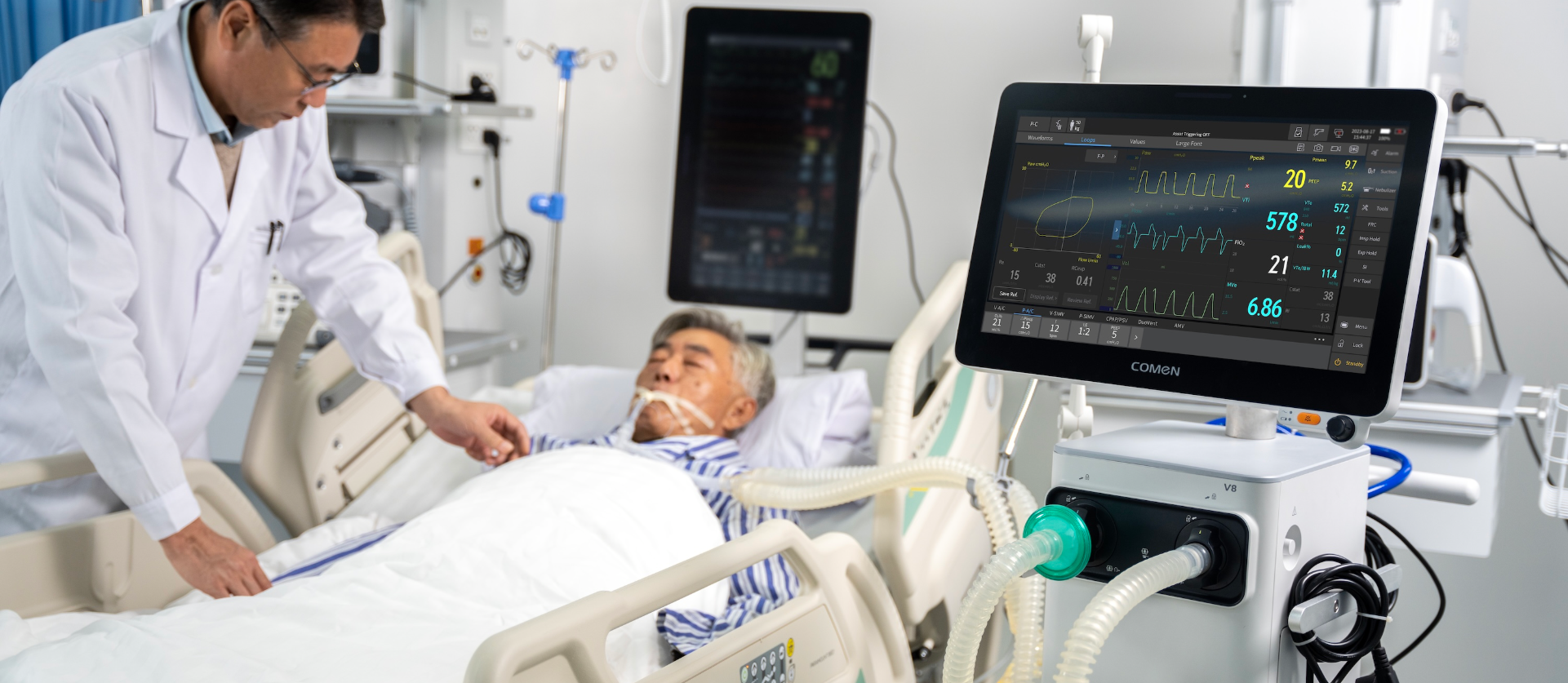
Early in that shift I reached for an icu ventilator machine and realized the default tidal volume was mismatched for smaller adults; the ventilator machine settings were a contributing factor to prolonged weaning (and yes, that stung). I’ve spent over 15 years supplying hospitals and advising procurement teams, and I’ve seen the same pattern: designers assume an “average” patient, clinicians work around it, and the result is extra clinician time, avoidable alarms, and variable outcomes. Specifics matter — in March 2021 I coordinated the delivery of 120 units to a regional network in Ohio, and poorly tuned alarm thresholds accounted for a 14% increase in manual interventions within the first week. That’s not a minor annoyance; it’s wasted staff hours and patient instability.
What user pain is hiding under the hood?
I’ll be blunt: the typical pain points aren’t just hardware failure. They’re subtle — opaque menu trees, non-intuitive ventilator modes, and alarm logic that produces noise rather than useful signals. I’ve watched nurses in a Boston ICU switch PEEP blindfolded because the onscreen guidance was buried two layers deep. Those are process failures as much as product flaws. Over time, staff build local workarounds (sticky notes, cheat sheets) — which work, until they don’t.
From field problems to better procurement choices
Now I shift into a comparative, forward-looking frame: I examine vendor offerings by how they reduce those hidden burdens. When assessing any icu ventilator machine, I look past peak inspiratory pressure and into workflow: can a respiratory therapist pre-set operation modes for pediatric and adult bundles? Does the GUI surface tidal volume, FiO2, and PEEP adjustments in one glance? In 2019, during a pilot at St. Luke’s (Denver), we found that simple layout tweaks cut setting time by 22% — so small design changes can have measurable impact.
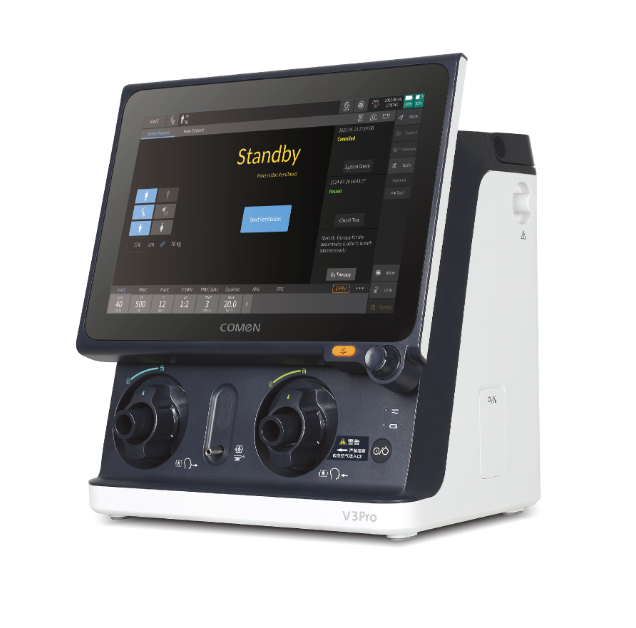
I recommend comparing devices on three fronts: clinical ergonomics, alarm fidelity, and serviceability. Clinical ergonomics covers intuitive ventilator modes and readable waveform monitoring; alarm fidelity means configurable thresholds and layered alerts that escalate correctly; serviceability includes remote diagnostics and modular components for faster onsite repairs. Look for devices with clear documentation and field-proven firmware updates — trust me, I’ve tracked failed rollouts where vendors delayed a critical patch by weeks (frustrating, and costly). No kidding — that delay translated into cancelled elective procedures at one hospital.
What’s Next: selection criteria you can act on
We need metrics, not slogans. I advise buyers to require vendors to demonstrate three things in a trial: real-world alarm reduction (percentage), average time-to-stable settings for a mixed ICU caseload (minutes), and mean time to repair with local parts availability. Run your own short audit during pilot use — request specific scenarios (ARDS, COPD exacerbation, pediatric RSI) and record intervention counts. This approach forces transparency and surfaces hidden pain points before purchase.
To close — here are three practical evaluation metrics I use when recommending solutions: 1) Alarm actionable-rate (%) over 72 hours; 2) Median clinician setup time for two patient profiles (adult, pediatric); 3) Service turnaround time within a 500 km radius. These are measurable, comparable, and they map directly to staff workload and patient safety. I’ve said it before, and I’ll say it again: pick devices that respect clinician time. For wholesale buyers and supply managers, that clarity changes negotiation — and outcomes. For vendor information and product options, visit COMEN.