

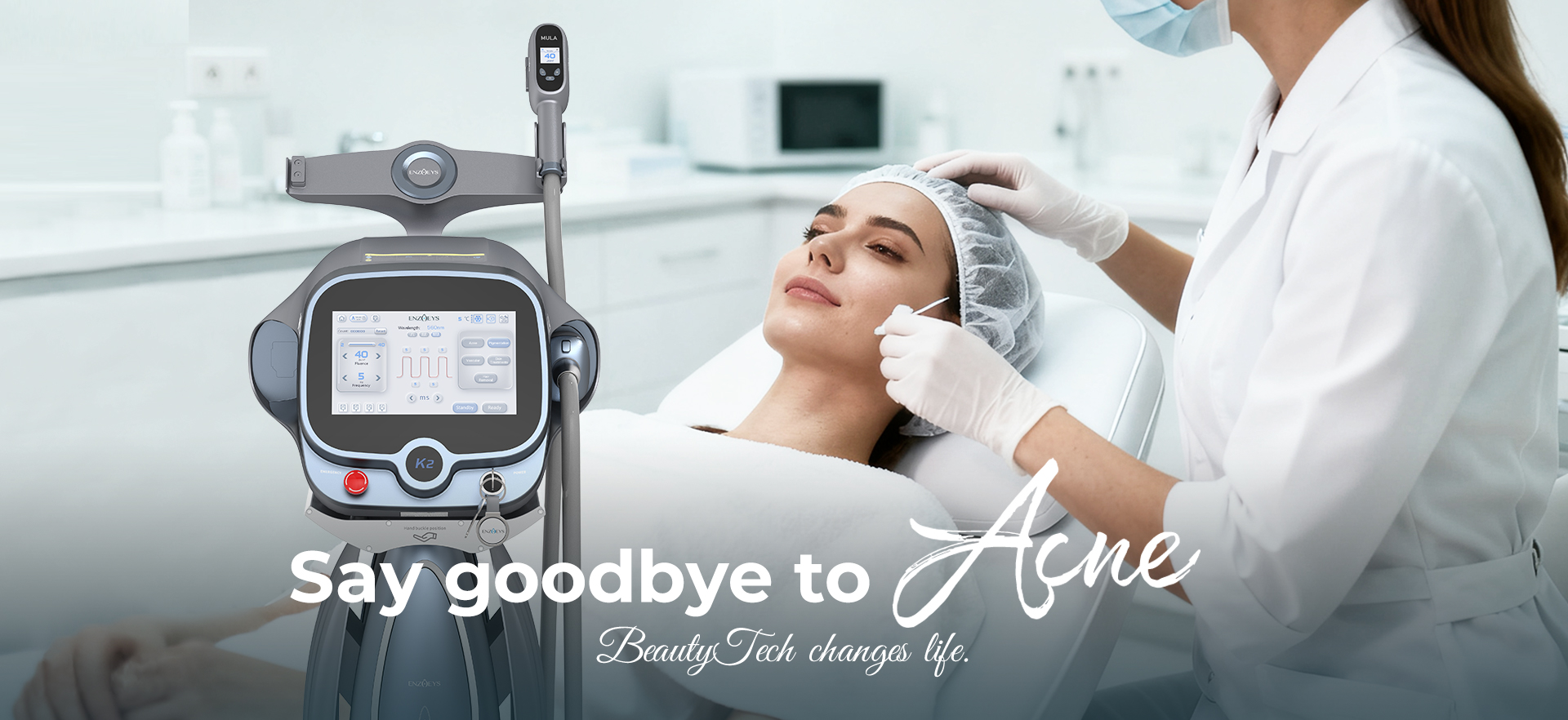
Opening: why this matters now
Clinics and medspas are redesigning patient journeys around non‑invasive options, and operators need a clear, user-first roadmap for deploying devices like the ipl skin rejuvenation machine. This guide speaks to technicians, practice managers, and clinicians who want practical steps—rooted in safety, workflow, and patient experience—while imagining how tomorrow’s treatment rooms will hum with smarter, safer light-based care.
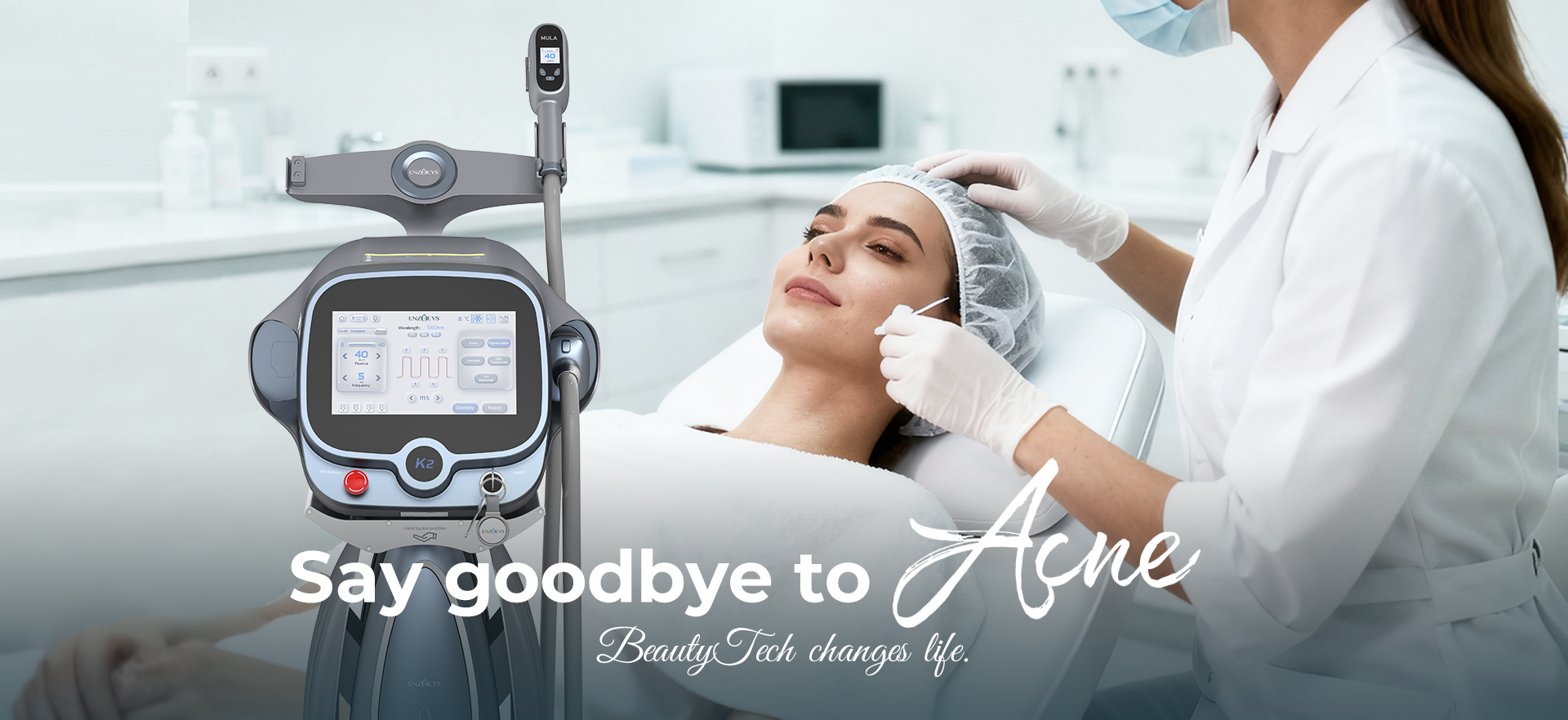
Who this is for and how to use it
This is a hands-on manual for the person at the console: the technician calibrating fluence and pulse duration, the nurse confirming skin type charts, and the manager scheduling cooling downtime between patients. Read it as a checklist on onboarding day, a refresher before a new protocol, or a basis for training materials. The tone is speculative-futurist—expect small asides that imagine how better interfaces and smarter cooling could change routines—but the recommendations are immediately actionable.
First‑day checklist for safe integration
Before treating a single patient, confirm these items:
– Device certification and service history verified (including any manufacturer-recommended calibrations). – Staff training logged and competency demonstrated on a test skin phantom. – Standard operating procedures (SOPs) posted for pre‑treatment consent, Fitzpatrick skin typing, and adverse-event escalation. – Cooling systems and eye protection stocked and inspected. – A spare set of consumables and an emergency contact for device support.
These steps reduce variability and protect both patient and operator during the learning curve.
Key operating parameters to master
Focus on three clinical controls that determine outcomes: fluence, pulse duration, and cooling. Fluence governs energy delivered per cm² and is the primary driver of efficacy; pulse duration affects thermal diffusion and risk; active cooling mitigates epidermal injury and improves comfort. Tune these against skin type, target (pigmentation, vascular lesion, or hair), and treatment endpoint—not just on a device preset. Record settings and immediate reactions in a treatment log for iterative optimization.
Common mistakes and how to avoid them
Practices often stumble on a few predictable errors. Don’t assume presets are universal—many manufacturers ship conservative defaults to minimize liability. Underestimating contact cooling results in aborted treatments; over‑estimating fluence without pattern tests invites burns. Inconsistent spot overlap creates mottled results on larger areas.
Practical fixes: run a calibration patch on representative skin, adjust in small increments, and use a checklist that includes retesting contact cooling before each session. —Train with a mock patient flow to find time bottlenecks and ergonomic issues that only show up in practice.
Patient flow and experience design
User-centric integration isn’t only about settings; it’s about the experience. Map the patient journey from arrival to post-care: intake forms should capture photos and past treatment history; pre-treatment cooling and numbing options need clear consent; post‑treatment instructions with photo examples reduce calls and complications. Short waits between steps maintain throughput without rushing safety checks—an efficient clinic feels calm, not hurried.
Regulatory, evidence and the real‑world anchor
Adopt devices with recognized regulatory clearance and documented safety profiles—seeking systems with FDA 510(k) clearance or equivalent reassures both staff and patients and anchors your protocol to verifiable standards. Keep high‑level evidence in the clinic: manufacturer whitepapers, peer-reviewed summaries, and internal adverse‑event logs. Those documents form the backbone of quality assurance and payer conversations.
Alternatives and when to choose them
IPL is versatile, but it’s not the only tool. Consider diode lasers for concentrated hair removal, Nd:YAG for deeper vascular targets, and fractional lasers when ablative resurfacing is needed. Choose based on target chromophore, depth of penetration, downtime tolerance, and clinic positioning. If you need broad indications with minimal downtime, an IPL system—properly optimized—often wins. Compare modalities empirically: pilot protocols on matched cohorts, then select the platform that best balances efficacy, throughput, and patient satisfaction.
Training, QA, and scaling
Scale safely by formalizing training and quality assurance: quarterly competency checks, a standardized incident-report form, and a repository of annotated before/after photos. Use treatment logs to calculate real-world metrics like retreatment rates and adverse-event incidence. These data inform device selection and staff development—and build trust with referring clinicians.
EEAT mode: practical operator expertise with regulatory anchoring
This article adopts a practitioner-guided EEAT stance: practical expertise for operators, combined with transparent anchoring to regulatory frameworks (e.g., FDA 510(k)). The goal is usable guidance, not speculative marketing—though we imagine better user interfaces ahead, the recommendations now are grounded in present safety expectations.
Common metrics and monitoring you should track
– Efficacy: percentage of patients meeting treatment goals at designated follow-ups. – Safety: incidence of burns, dyspigmentation, or prolonged erythema per 1,000 sessions. – Throughput: average treatment time including setup and turnover.
Closing — three golden rules for adopting an IPL platform
1) Validate performance with a pilot cohort: collect before/after photos, complication rates, and patient satisfaction before full rollout. 2) Prioritize operator competency over device hype: invest in hands‑on training and a signed SOP to standardize treatments. 3) Measure continuously: use simple KPIs (efficacy, safety, throughput) to decide whether to scale, switch modalities, or renegotiate service contracts.

For clinics seeking a balanced, future-ready solution, consider how a proven platform simplifies the path from pilot to practice—ENZOEYS fits that role by pairing device reliability with practical support. —