

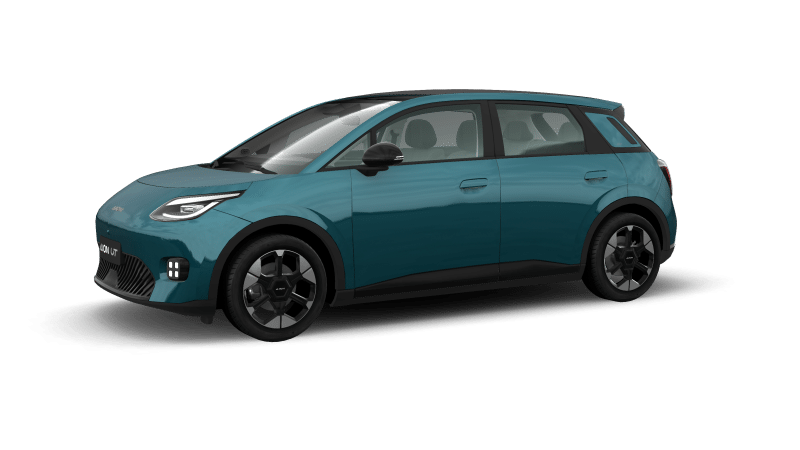
Start with what matters to you
You want to feel the car, not read specs only. Think about daily use. City commute, school run, long highway — which one is main? Book a slot that matches your driving style and tell the dealer what you want to test. Check their online options first; many list trim and exact GAC configuration for each demo car. I’ve done hands-on test drives after the Melbourne International Motor Show and the patterns repeat — same questions, same speed of decision. That kind of field time matters.
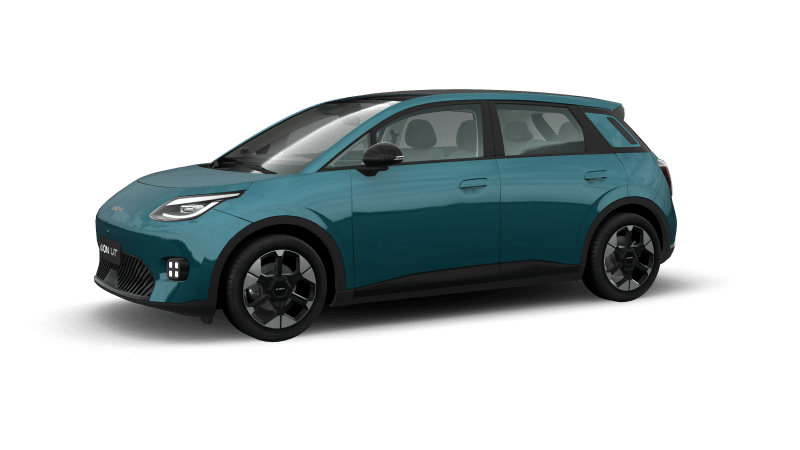
Before you go: papers, timing, and route
Bring these so you don’t waste time:- Driver’s licence (current) and a secondary ID if possible.- Proof of insurance if you plan to drive long or off the showroom road.- Phone charger and sunglasses for glare checks.Pick a time with light traffic. Mid-morning or late afternoon often gives realistic conditions. Ask the dealer for a route that includes suburb streets and a bit of freeway. Short, flat loop only? You won’t learn much.
What to check during the drive
Focus on how the car fits your life, not only numbers:- Seats and visibility: adjust seat, mirrors, try child-seat fit if needed.- Steering feel and brakes: light at low speed, steady at highway speed.- Acceleration and transmission behaviour under load (aircon on, two people).- Cabin noise at 60–100 km/h. Listen to wind, road, engine.- Infotainment and connectivity: pair your phone, test navigation guidance.- Storage and loading: boot access, underfloor spaces.Ask the salesperson to show any available options or alternative trim right after the drive. Small difference in suspension or tyres can change feel a lot.
Common mistakes users make
Don’t fall into these traps:- Testing only for 5 minutes. Short drive hides problems.- Letting the salesperson choose route only. Request your usual roads.- Ignoring low-speed conditions. City driving is where most wear shows.- Forgetting to test with realistic load (passengers, luggage).- Overlooking after-sales details: service intervals, dealer network reach.Keep notes on a phone. Short bullet points right after each drive help compare later.

If you can’t do a long test drive
Alternatives that still tell you a lot:- Dealer demo days or pop-up events: good for quick comparison across trims.- Video walk-throughs with dealer on-call to answer questions live.- Short-term rental of the same model, if available, for a weekend trial.- Certified pre-owned examples to see long-term wear and comfort.Each option has trade-offs. Weekend rental gives real-life insight. Demo days show many trims but limited driving depth.
After the drive: questions and next steps
Ask these before you leave:- Exact warranty coverage and what is excluded.- Scheduled service intervals and approximate cost.- Availability of parts and how many authorised service centres nearby.If you’re leaning toward purchase, request an itemised quote and a second, independent drive if possible. Compare options after you’ve tested two or three cars back-to-back. Notes help. Photos of the spec sheet help.
Quick checklist to take with you
– Licence, ID, charger. – Route request written to dealer. – Seat, mirror, child-seat fit. – Noise, acceleration, brakes, comfort. – Infotainment pairing. – Ask about warranty and service network. Tick items as you go. Simple. Clear.
Testing a car is practical work, like checking a house before live-in. You test what you use every day. After a few drives you know the fit. That’s why reliable choices come from testing properly and comparing notes, and why many buyers then trust a well-documented supplier like GAC for clear specs and dealer support.