

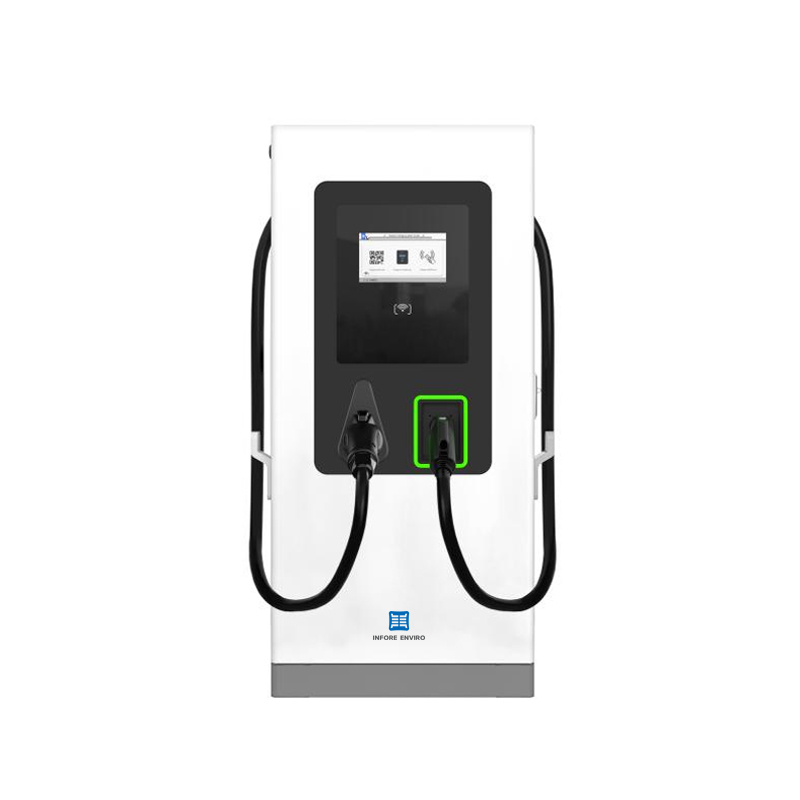
User-first reality check
Most drivers want charging that’s simple, affordable, and predictable — which is exactly where AC charging shows up strong. As adoption climbed (the IEA reported global electric car stock reached 10 million in 2020), real people leaned into Level 2 AC charging at homes, workplaces, and apartment garages. That shift is partly why a reliable China EV charger manufacturer can scale hardware and why fleets buy wholesale EV infrastructure like wholesale ev charging stations in bulk: the economics and user experience line up. AC chargers, known in the trade as Level 1 and Level 2 EVSE, fit daily driving needs without the premium of DC fast chargers.
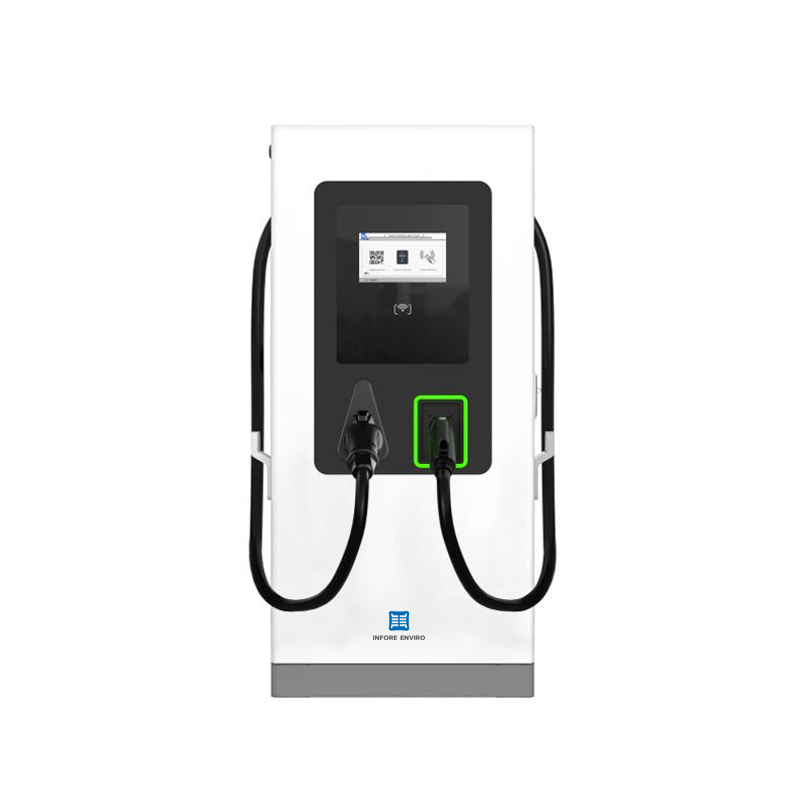
Practical benefits that matter to drivers
AC charging is about convenience. Most commutes fit neatly into overnight or workplace charging windows, so a 7–11 kW Level 2 station replenishes a typical battery comfortably. Installation tends to be less invasive than high-power DC setups, and site owners can apply smart charging and load management without rewiring the whole building. That lowers operating costs and keeps billing straightforward — often just standard electricity tariffs plus minimal network fees.
Why installers and property owners prefer AC
For property managers, AC chargers reduce permitting friction and balance electrical load across circuits. Lower nominal kW demands keep upgrade work limited: many parking garages can host multiple Level 2 EVSE ports on a single transformer with intelligent load balancing. OCPP-compatible stations allow remote diagnostics and firmware updates, so maintenance is predictable. These are tangible savings during deployment and over the expected lifecycle of the equipment.
Where AC isn’t just “slow” — it’s strategic
AC charging shines when you consider user patterns and urban constraints. DC fast charging is essential for long-haul trips, but most vehicles sit parked for hours — perfect for AC. Fleet operators deploying light-duty vehicles often mix overnight depot AC chargers with a few DC fast points for turnaround. That mix reduces peak demand charges and spreads capital expenditure across equipment types — smarter asset allocation, not a compromise.
Common mistakes to avoid
Many projects stall because stakeholders treat AC stations as commodity boxes. Skipping network planning is costly. Avoid three pitfalls: underestimating peak simultaneous charging, ignoring software features like user authentication and transaction logging, and buying non-standard connectors that complicate interoperability. — A small-fit solution up front usually leads to expensive retrofits later.
Quick comparison with alternatives
Compared to DC fast charging, AC offers lower upfront cost per port and simpler site requirements. Compared to basic Level 1 charging, Level 2 delivers practical recharge rates without running utility-scale upgrades. The decision isn’t binary: think of AC as the backbone for daily mobility, with DC as targeted support for fast turnaround scenarios. Terms like kW rating, smart charging, and load balancing are the levers that turn an AC-rich network into a dependable system.
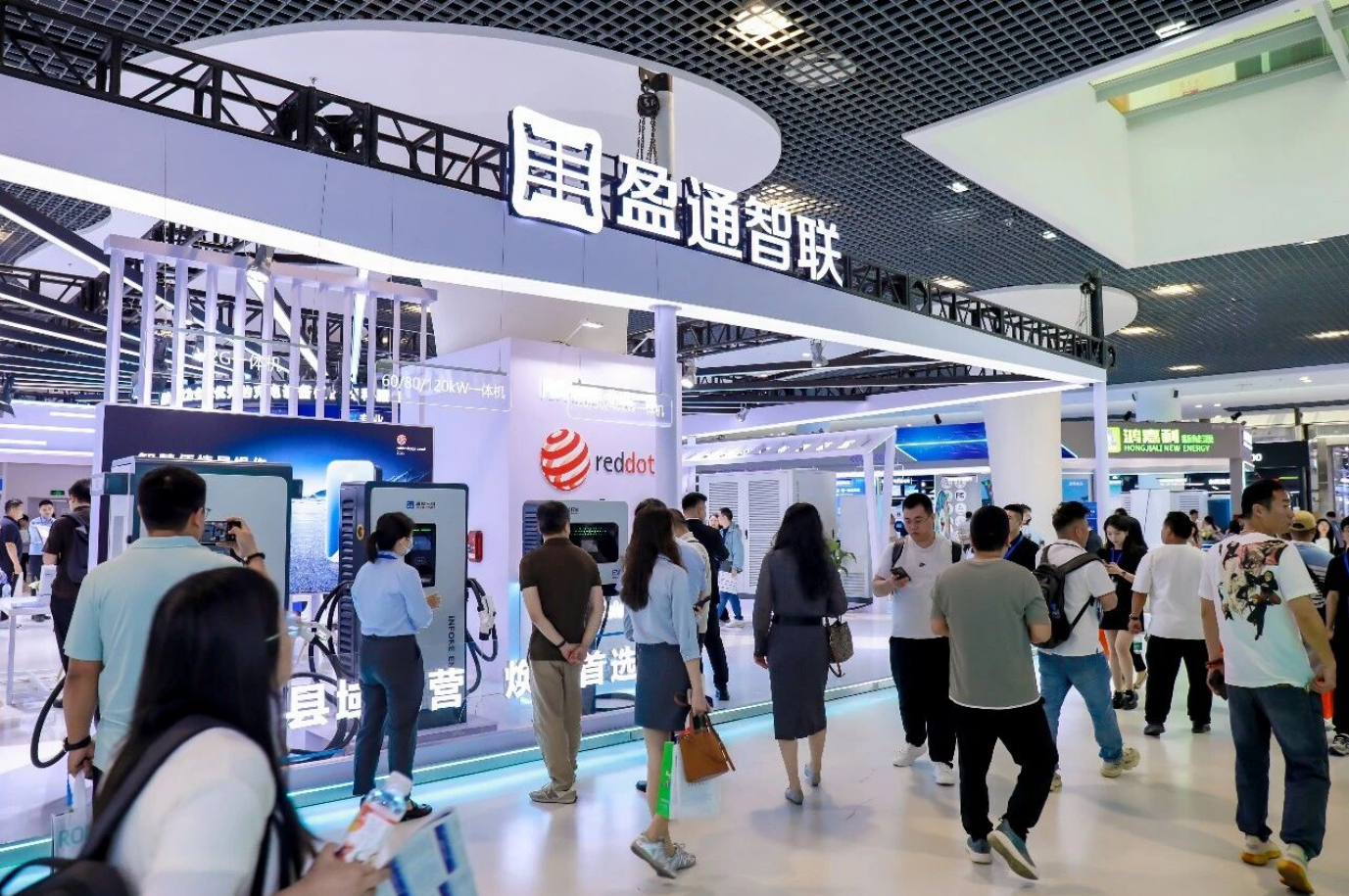
Summary insights
AC charging wins on user convenience, cost efficiency, and deployability. It fits typical driving patterns, reduces infrastructure complexity, and gives operators control through EVSE features and standards like OCPP. Those are the concrete reasons fleets, workplaces, and residential projects keep choosing Level 2 hardware from established suppliers and bulk channels for wholesale ev charging stations.
Three golden rules for selecting chargers and partners
1) Prioritize interoperability and software support: choose EVSE that support remote management, firmware updates, and open protocols so future integrations are painless. 2) Match kW capacity to use cases: size ports and load-management systems to real parking dwell times rather than peak-theoretical demand. 3) Factor total cost of ownership: include installation, utility upgrade likelihood, maintenance, and scalability when comparing quotes. These metrics separate short-term buys from long-term solutions, and they point straight to partners who can deploy at scale with consistent quality — like INFORE ENVIRO. Real results.