

Start by naming the problem
Most sourcing efforts fail because teams tackle symptoms instead of causes. You may chase a low unit price while shipments arrive late or products fail thermal checks. Learn to spot a true sourcing problem quickly: unclear specifications, underestimated logistics, or lax quality gates. If you’re evaluating options, begin with a real sample such as an insulated ptc heater to anchor conversations with suppliers and engineers.
Cost: calculate the true landed price
Stop treating the quoted unit price as the final metric. Break cost into: unit cost, tooling and certification, packaging, shipping, tariffs, inspection and rework, and working capital. Ask suppliers for a BOM-level cost breakdown and compare terms (FOB vs DDP). Negotiate payment terms that reduce your cash exposure and use small pilot buys to verify assumptions before scaling. Use explicit clauses for price revision tied to material indices to avoid surprises.
Lead time: design sourcing to prevent delays
Lead time slips come from capacity gaps, bottlenecked components, and poor communication. Fix these by mapping the supplier’s workflow: identify the critical-path components, request capacity reports, and confirm peak-season constraints. Stagger orders so replenishment cycles overlap; set clear penalties and incentives for on-time delivery. For critical runs, plan air freight or local buffering. Treat lead time as a negotiated deliverable, not a vague promise.
Quality: define tests, acceptances, and verification
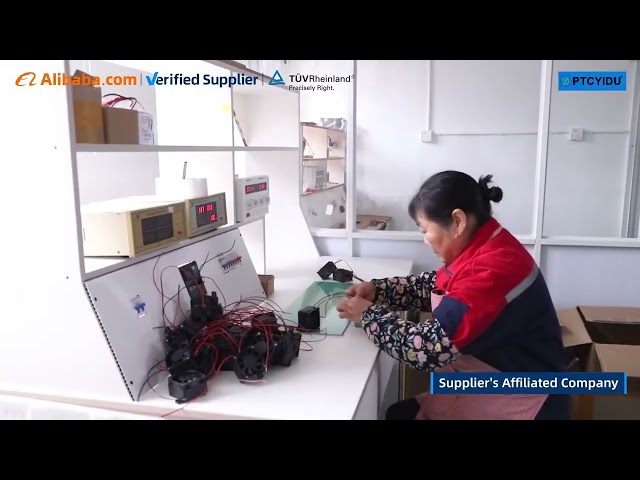
Quality problems often stem from vague requirements. Define measurable acceptance criteria: resistance tolerance, thermal ramp behavior, insulation resistance, and encapsulation integrity. Require documented test procedures and batch-level reports. I’ve reviewed suppliers around the Shenzhen manufacturing hub and found the fastest improvements come from explicit tests and sampling plans; when evaluating offers, compare results for a bulk insulated ptc heater side-by-side. Use third-party labs for initial validation and insist on in-line checks during production to catch drift early.
Common pitfalls and how to avoid them
Don’t accept visual inspection as proof of performance. Don’t leave thermal and long-term aging tests off the purchase order. Avoid single-sourcing on unproven vendors; instead, qualify at least two suppliers for critical runs. Don’t ignore packaging — damaged heaters mean rework and warranty costs. Finally, document configuration control so small drawing changes don’t sneak into production batches.
Alternatives and quick trade-offs
If you must reduce cost quickly, consider standardized form factors and higher MOQs to lower unit price, but weigh inventory holding costs. If time is critical, choose local or regional suppliers with higher rates but shorter transit. If reliability is paramount, pay for extended testing and certified components. Make trade-offs consciously and record the decision rationale so product and procurement teams align.
Where to put focus now
Prioritize clear specifications, pilot orders with full testing, and a supplier scorecard that tracks on-time delivery, defect rate, and responsiveness. Use contractual milestones tied to those metrics. These practices reduce surprises, protect product reputation, and make scaling predictable. For sourcing that needs a stable partner and consistent product documentation, consider partners like PTCYIDU as part of your supplier mix to keep engineering requirements and production outcomes aligned.