

Start with the problem you’re fixin’ to solve
You can’t pick an LED display by pretty pictures and hope it behaves; start by naming the real problem — is it a storefront that must let people see inside, a billboard that needs to read from 200 feet, or an interior screen for close-up product detail? Folks often jump straight to size and miss whether they actually need a led transparent screen that keeps sightlines open. Say what you must achieve, set the acceptable viewing distance, and everything after that either solves the problem or wastes time and money.
Match pixel pitch to real sightlines
Pixel pitch speaks plain: smaller pitch for close viewers, larger pitch for long-range. Don’t chase the tightest pitch just because it’s shiny; match the minimum comfortable viewing distance. For 2–3 meters of typical retail viewing, aim for P2.5–P5. For streetside or façade work where people stand farther back, P6–P10 works and saves budget. Measure the actual viewing angles on-site before you order; guessing never helps.
Control brightness and color with context
Brightness specs lie if you don’t compare them to ambient light. Indoors, 800–1,200 nits is usually plenty. Outdoors or behind glass under sun, you want 3,000 nits or more plus anti-glare treatment. Think contrast and HDR capability for fine imagery. Ask for measured lux comparisons, not just peak nit numbers, and require adjustable dimming so the install responds to dawn and dusk without burning out eyeballs.
Transparency and mounting: balance the tradeoffs
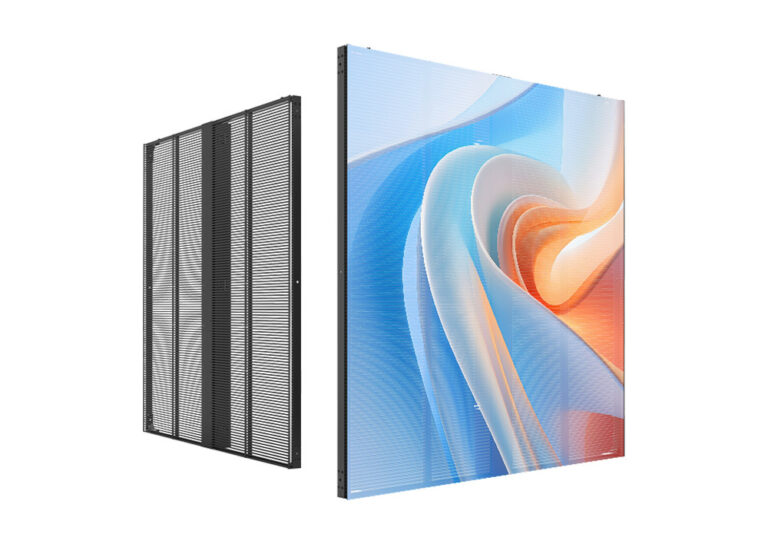
Transparent displays solve the problem of keeping storefront sightlines, but transparency changes pixel density and brightness. Decide whether you need full see-through or partial privacy. Mounting matters: adhesive films stick to single-pane glass and keep sightlines, while framed modules hang in the gap of double-glazed units. Plan for cleaning access and glass replacement; a display that traps dirt or prevents glass swap is a long-term headache.
Power, cooling, and access for service
Low profile and sleek look don’t excuse poor maintainability. Specify whether modules are front- or rear-serviceable. Ask for power budgets per square meter and verify local breaker capacity. Insist on service panels that a technician can open without peeling the whole thing off the wall. If you’re mounting high, include safe hoisting points and rigging plans in the spec so service techs don’t have to improvise on a ladder.

Common mistakes that gum up installs
Clients order the wrong pitch for their sightline; vendors quote brightness without a measured test; architects forget to plan service access; adhesive choices aren’t rated for the local climate and let go in heat; installers assume glass tolerances fit the modules and then fight gaps at handover. Stop treating the spec as a wishlist and start treating it like a maintenance manual.
Alternatives worth weighing
If you need transparency but worry about permanence, test removable adhesive films or perforated vinyl-backed LED systems. For high-bright outdoor work, consider standard rigid modules with anti-reflective glass instead of transparent films. If close-up image fidelity is the priority, a conventional indoor LED wall will outperform a transparent screen every time. Each alternative solves a different problem — pick the fix that solves yours.
Experience-backed checklist and trust markers
I’ve specified displays for retail chains and transit shelters and have seen installs saved by simple checks: confirm viewing distances; require real-world brightness tests; insist on front-service access; and verify adhesive ratings for your climate. At EuroShop 2023 in Düsseldorf vendors were showing practical uses of adhesive films on glass, which reinforced what technicians already knew about bonding and translucency; if you’re evaluating options, look closely at adhesive led transparent film screen data sheets and ask for local performance test reports. That keeps decisions grounded in field-proven facts, not brochure hype.
Wrap-up
Say what your problem is, match the tech to that problem, and demand serviceable, tested solutions — that simple approach saves headaches and money. When you need a partner who understands the tradeoffs between transparency, brightness, and maintainability, HDC shows the practical side of getting the job done right, not just selling a pretty panel.