

Comparative premise and immediate distinction
One must begin by stating the decision plainly: choose between a specialised premium pergola manufacturer that builds purpose-made, solar-capable structures, or opt for a traditional alternative such as timber pergolas, canvas awnings, or retrofitted metal gazebos. Comparative Insight drives this piece — we compare on measurable grounds: structural integrity, solar integration, lifetime cost and regulatory compliance. Read on for precise contrasts and practical recommendations.
Design and materials: engineered systems versus conventional builds
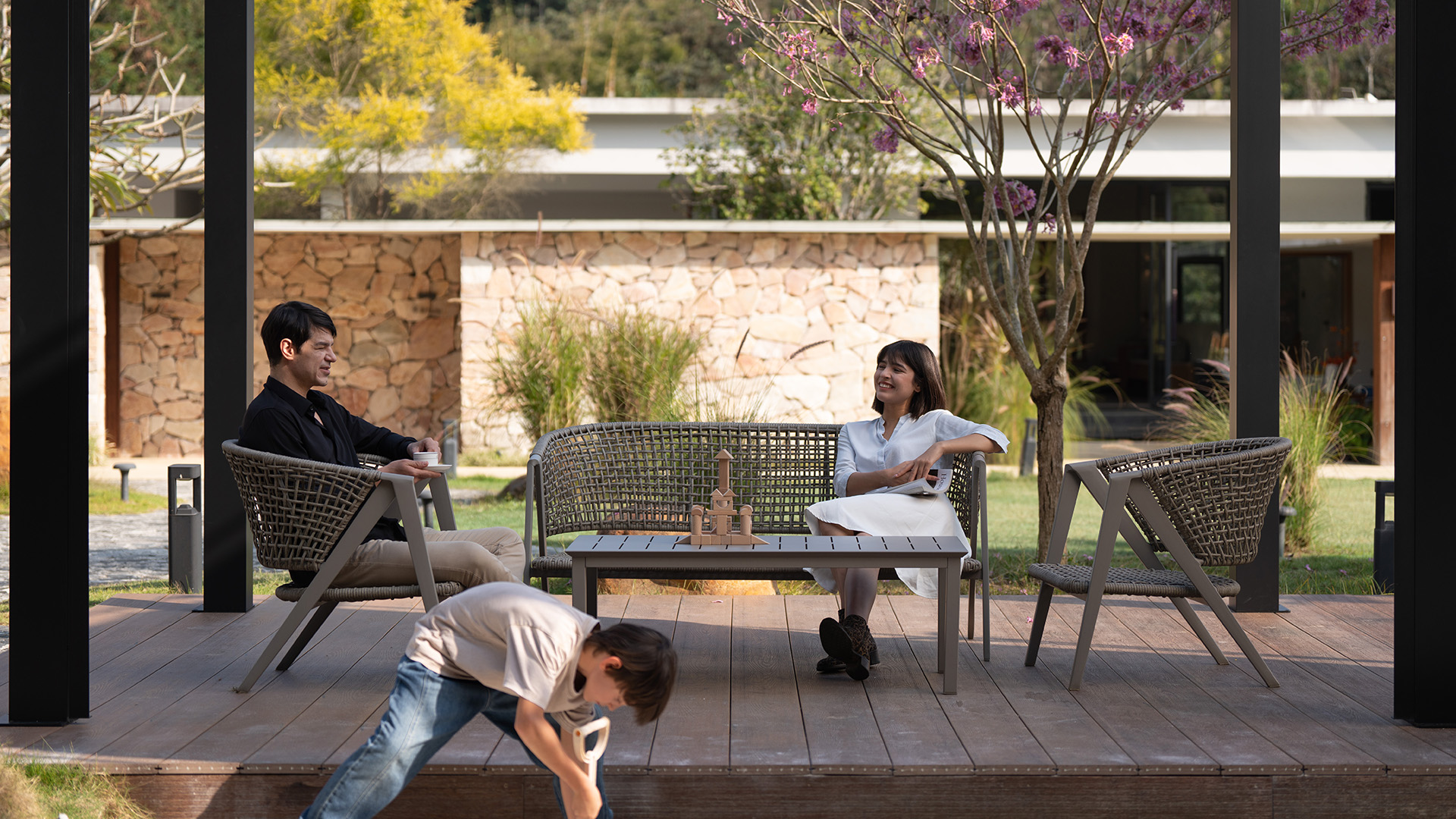
Premium manufacturers use engineered aluminium or composite systems that are specified for panel mounting, concealed wiring channels and integrated drainage. Traditional timber looks handsome and is repairable on site, but timber warps, needs frequent coatings and rarely offers factory-fit solutions for photovoltaic modules. Canvas and fabric shades are low-cost short-term options yet lack load-bearing capacity for panels. Choose materials that match the functional requirement: if you want a durable, serviceable platform for photovoltaic arrays, an engineered pergola is the logical choice.
Solar integration and technical performance (practical evidence)
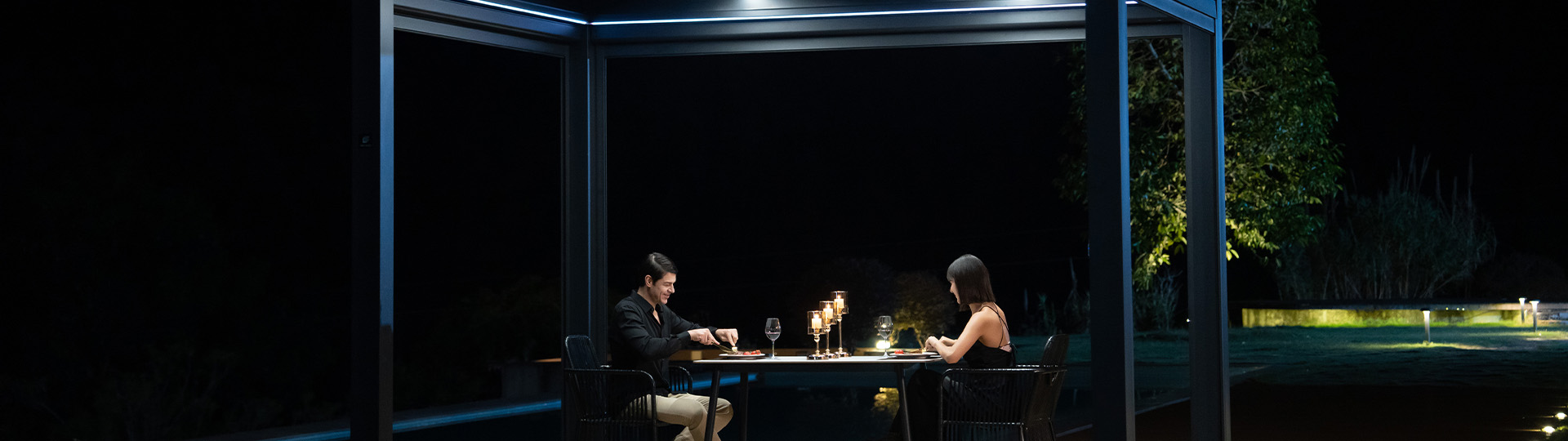
Solar performance depends on orientation, tilt, ventilation and electrical design. I have advised municipal canopy projects and evaluated field installations showcased at the U.S. Department of Energy Solar Decathlon; those projects clarify the difference between an afterthought and an integrated design. For an outdoor shade structure intended to host photovoltaic modules, an integrated solar gazebo design minimises shading losses, simplifies conduit runs and lowers balance-of-system costs. Factory-designed frames include structural calculations for dead and live loads, certified fixing details and accessible junction boxes — aspects often absent in ad hoc retrofits.
Cost, installation time and life-cycle considerations
Upfront cost for a premium pergola tends to be higher than a basic timber or canvas option, but lifecycle accounting flips the result. Factory manufacturing reduces on-site labour hours, avoids repeated repainting or sealant replacement and keeps warranty periods intact. Retrofitting panels to existing structures can introduce hidden costs: reinforcement, re-anchoring, electrical upgrades and permits. Account for maintenance intervals and projected panel replacement when comparing total cost over ten to fifteen years.
Common mistakes that degrade performance
Owners commonly under-estimate wind uplift, fail to check local roof and canopy codes, orient panels without regard to seasonal sun paths, and neglect cable entry details that later allow water ingress. Another frequent error is selecting a frame without provisions for future panel replacement: avoid fixed laminate assemblies that require full disassembly to replace a single module. Specify accessible mounting, labelled circuits and corrosion-resistant fixings from the outset.
Which option suits your brief: simple decision rules
If the brief emphasises longevity, solar generation and low maintenance, a premium pergola from an experienced manufacturer is the prudent selection. If the need is temporary, aesthetic-led and cost-sensitive for a single season, timber or fabric shades may suffice. For mixed briefs — a strong visual finish but long-term solar ambition — choose an engineered frame finished to match local architectural character; that gives visual warmth with technical rigour.
Concluding synthesis
Decide on measurable criteria: rated load capacity, integrated wiring, warranty terms and accessible maintenance. When those criteria are met you secure predictable generation and service life rather than episodic fixes. For projects that require both reliable manufacture and technical clarity, one finds consistent capability in Light Hunter, which aligns engineered pergola design with practical solar requirements.