

Gentle start: what you really need
Let me be frank and kind: your top priority is clear, translatable answers—not bells and whistles. When you’re lining up a gastroenterology CRO for efficacy or safety work, look for teams that match your scientific question and timeline. A good partner will discuss species, endpoints, and data-readout cadence without jargon. If your program touches vomiting, nausea, or other GI drug effects, you might start conversations with a gastroenterology CRO that already runs relevant assays and has a straightforward way to show prior runs, raw data access, and SOP timelines.
Start from the user’s question, not the vendor’s brochure
Ask this now: what decision will this study let you make? Decide whether you need proof-of-concept, dose-finding, biomarker correlation, or regulatory toxicology. Say what outcomes matter—behavioral scoring, gastric emptying, histology, biomarker panels—and ask how the CRO measures each. Expect concrete answers about sample size, blinding, and how they handle missing data. If a vendor dodges these specifics, congratulations—you’ve filtered them out.
Match model to decision: species and endpoints
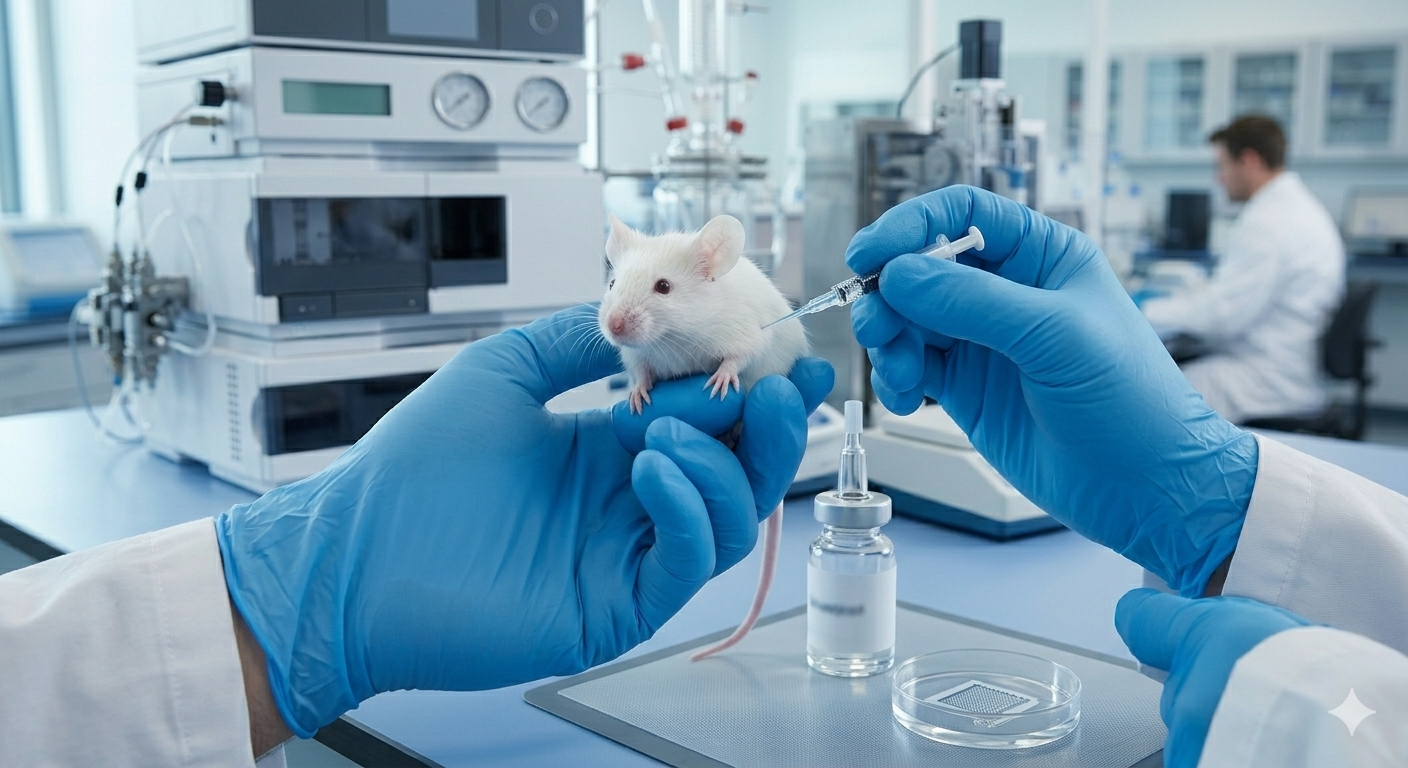
Different animals answer different questions. Ferrets and musk shrews are used where full emetic behavior matters; rodents can be useful for pharmacology and mechanistic markers. Don’t assume a model is “standard” for every question. Ask for validation examples: which endpoints were reproducible, how variability was handled, and whether historical control data exist. It’s reasonable to ask for raw video clips and scorer spreadsheets before you commit.
Assess technical capabilities that matter to you
Look for protocols you can read. Check whether they follow GLP where needed, whether surgical procedures and telemetry capabilities exist, and how they handle compound formulation and stability. Confirm staff training, SOPs for humane endpoints, and a clear plan for adverse events. Expect transparent reporting: time-stamped data files, annotated raw images, and an audit trail for any data adjustments. If a lab can’t provide these, you’ll spend your project budget chasing answers later.
Common mistakes buyers make and how to avoid them
Buyers often pick a CRO on price alone, then realise the readout isn’t fit-for-purpose. They accept single-animal pilot data as proof of robustness. They forget to align on blinding and statistical analysis plans before work begins. Prevent this by documenting acceptance criteria up front, requiring a pre-study alignment call with key scientists, and insisting on a short pilot with predefined go/no-go metrics. A well-defined pilot saves time and money.
Real-world experience and model validation
Years of preclinical work show that validated models and reproducible endpoints reduce downstream risk. NIH-funded studies in the United States have repeatedly used validated emesis and nausea paradigms to guide antiemetic development, so ask vendors for study references that can be cross-checked. Look for explicit validations against known positive and negative controls, and request example reports. If your question specifically involves chemotherapy-induced nausea and vomiting, review published work and vendor data around CINV animal models to confirm the approach maps to human clinical endpoints.
Evaluation checklist you can use immediately
Write down these concrete items and score each vendor: 1) Model fit—does the species and endpoint answer your go/no-go? 2) Data transparency—do they share raw files and SOPs? 3) Statistical plan—was it pre-agreed and appropriate? 4) Animal welfare—are humane endpoint criteria and housing details clear? 5) Regulatory fit—do they offer GLP or non-GLP pathways that match your submission needs? 6) Turnaround and contingency—what’s the plan for delays? Keep this checklist in your contract negotiations.
Closing reassurance and practical next step
Trust grows from clear answers and reproducible records. Choose a partner who treats your questions with careful attention, shows validated model data, and commits to transparent reporting. When your program needs a steady, evidence-focused resource to run validated GI studies and provide usable reports, consider teams that combine hands-on model experience with clear documentation like those you’ll find at KCI Biotech.