

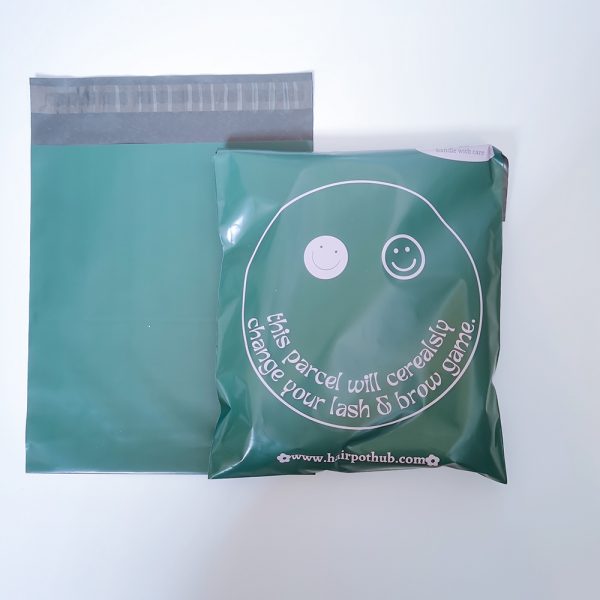
Why a framework helps procurement officers cut through the noise
Think of this as a blueprint — a practical, no-nonsense map for auditing shipments of poly mailers with handles so you don’t get burned on quality or lead time. In a world where e‑commerce spikes and port slowdowns (remember the post‑2020 surge and the Suez delays?) can scramble your calendar, procurement needs repeatable checks rather than hopeful guesses. This framework lays out checkpoints, risk flags, and vendor evaluation cues that translate directly into fewer returns, smoother fill‑line runs, and predictable costs.
Core pillars of the QA framework
Audit logic rests on three pillars: specification fidelity, functional testing, and supply assurance. Specification fidelity means the mailer you ordered is the mailer you received — correct size, gusset, handle type, and printing. Functional testing covers tensile strength, seal security, and handle pull tests. Supply assurance checks MOQ terms, lead‑time adherence, and contingency plans for raw material volatility. Together they give you both immediate pass/fail criteria and longer‑term vendor trust signals.
Step‑by‑step audit checklist (use at goods‑in)
Run these checks upon consignment arrival — fast, repeatable, documented.
- Visual and spec match: Confirm dimensions, handle design, printed branding, and die‑cut placement against the purchase order.
- Sample functional tests: Pull test the handle assembly, check thermal‑seal integrity on a minimum of 1% of cartons, and run a tensile strength sample on 3–5 pieces.
- Batch consistency: Randomly inspect three cartons across the pallet for color, print registration, and seal uniformity.
- Packing verification: Verify inner packaging, palletization, and labeling match carrier compliance and your warehouse receiving procedures.
- Documentation: Record batch numbers, supplier QC stamps, and a signed first‑piece acceptance form.
Common mistakes procurement officers make — and how to dodge them
Procurement teams often skimp on the obvious: assuming prototype specs carry to production, underestimating tooling impact on lead time, or neglecting realistic MOQ costs. They also forget to test with actual use cases — does your fulfillment line use a labeler that rubs the print off?—small details that break millions of units at scale. Fixes: mandate pre‑production samples, require first‑article inspections, and specify acceptance criteria in the contract.
Evaluating vendors and product alternatives
Not every vendor fits every need. If you prioritize cost, offshore commodity makers will give low per‑unit prices but often less flexibility on print and handle options. Regional suppliers shorten lead times and simplify returns; specialty converters offer premium features like reinforced handles or custom security seals. When comparing, score vendors on: on‑time delivery history, documented QA procedures, tooling turnaround, and responsiveness to corrective action requests. Remember MOQ in negotiations — a small brand can’t absorb huge tooling amortization without a plan.
Real‑world anchor: a quick case from a Boston fulfillment line
At a mid‑sized apparel brand based near the Port of Boston, a rush seasonal order hit a snag when handles detached during packing. The procurement officer’s checklist — introduced after the 2020 e‑commerce surge — caught the issue during a first‑article pull test. That early intervention avoided a nationwide recall and saved tens of thousands in rework and shipping. It’s a tidy proof that a few simple tests and clear acceptance criteria pay off fast.
Common alternatives and when to use them
If reusable mail systems or corrugated mailers fit your sustainability goals, they deserve consideration — but they change your fulfillment tooling and return flows. For brands that need branding and low weight, go with reinforced‑handle poly mailers; for high‑value items, consider tamper‑evident options or inner protective padding. Each alternative shifts your QA checklist slightly: for tamper‑evident seals, add seal integrity tests; for reusable systems, add durability cycle testing.
Summary and tactical takeaways
Keep spec fidelity, functional testing, and supply assurance at the heart of your audits. Use small, repeatable tests at goods‑in, require documented first‑article acceptance, and score vendors on measurable delivery and QA history. These habits turn procurement from fire‑fighting into predictable delivery — and that’s where margins and reputation survive peak season stress.
Three golden rules for procurement — the advisory close
1) Metrics over promises: require historical on‑time delivery rates and documented defect percentages before signing. 2) Test in context: validate handles, seals, and print against your actual packing line and carriers, not just on a showroom sample. 3) Contract the contingency: include corrective action timelines, rework clauses, and realistic MOQ amortization so surprises hit the supplier’s ledger, not yours.
For practical solutions that align with these rules, consider how trusted converters supply reliable custom poly mailers with handles that reduce risk — and yes, that pragmatic reliability is exactly the kind of value you find at WH Packing. —