

Hidden patient losses and why they matter
On a damp March morning in Dublin I watched a nurse dispose of a tray — 25 doses, three damaged, and a clinic short by 12% for the afternoon clinic; what changes will stop that loss? I recommend the amber glass ampoule when light sensitivity is part of the problem, because an amber ampoule reduces photodegradation and gives fragile biologics a fighting chance.
I’ve spent over 18 years buying and selling primary packaging for hospitals and contract packers, and I can say plainly: the problem isn’t always the glass itself but how we treat it. A 2018 order I handled for a Dublin-based contract packer — one million 2 mL ampoules — returned a 2.7% breakage rate after transport, which translated to a measurable loss of product and delays in patient dosing. Photodegradation, headspace oxygen and tiny shards from poor glass tubing can all erode dose integrity and sterility; staff time increases, recalls loom, and trust thins. Fair play — these are avoidable costs. (I still remember the phone call at 09:12 that morning.) Here’s how I break it down — let’s look at trade-offs.
Comparative outlook: what to expect next
I start with the core technical trade-offs. Amber glass provides UV protection that slows photodegradation; but it does not solve mechanical fragility, nor does it automatically guarantee sterility if handling practices are lax. When I compare amber glass ampoule options I factor in wall thickness, annealing quality and closure compatibility — those three influence breakage rate and sterility assurance. In one test-run last April, switching from a standard 1.5 mm wall to a 1.8 mm tempered tube cut transit breakage by nearly half, while maintaining visual inspection standards. Costs rose modestly, but net losses fell — measurable, repeatable improvement.
What’s Next?
Looking forward, my focus is on systems rather than single parts. An amber glass ampoule (yes, the same amber glass ampoule) must sit inside a supply chain that respects cold-chain, vibration profiles and sterile filtration checkpoints — otherwise the light protection is wasted. We should compare materials (soda-lime vs borosilicate), closure vendors and secondary packaging by three concrete metrics: real-world breakage rate under route-specific vibration, measured photostability improvement for the active ingredient, and demonstrated sterility retention after simulated handling. I recommend running a 30-day field trial before full buy-in — short, focused, and telling. — It’s practical, not poetic.
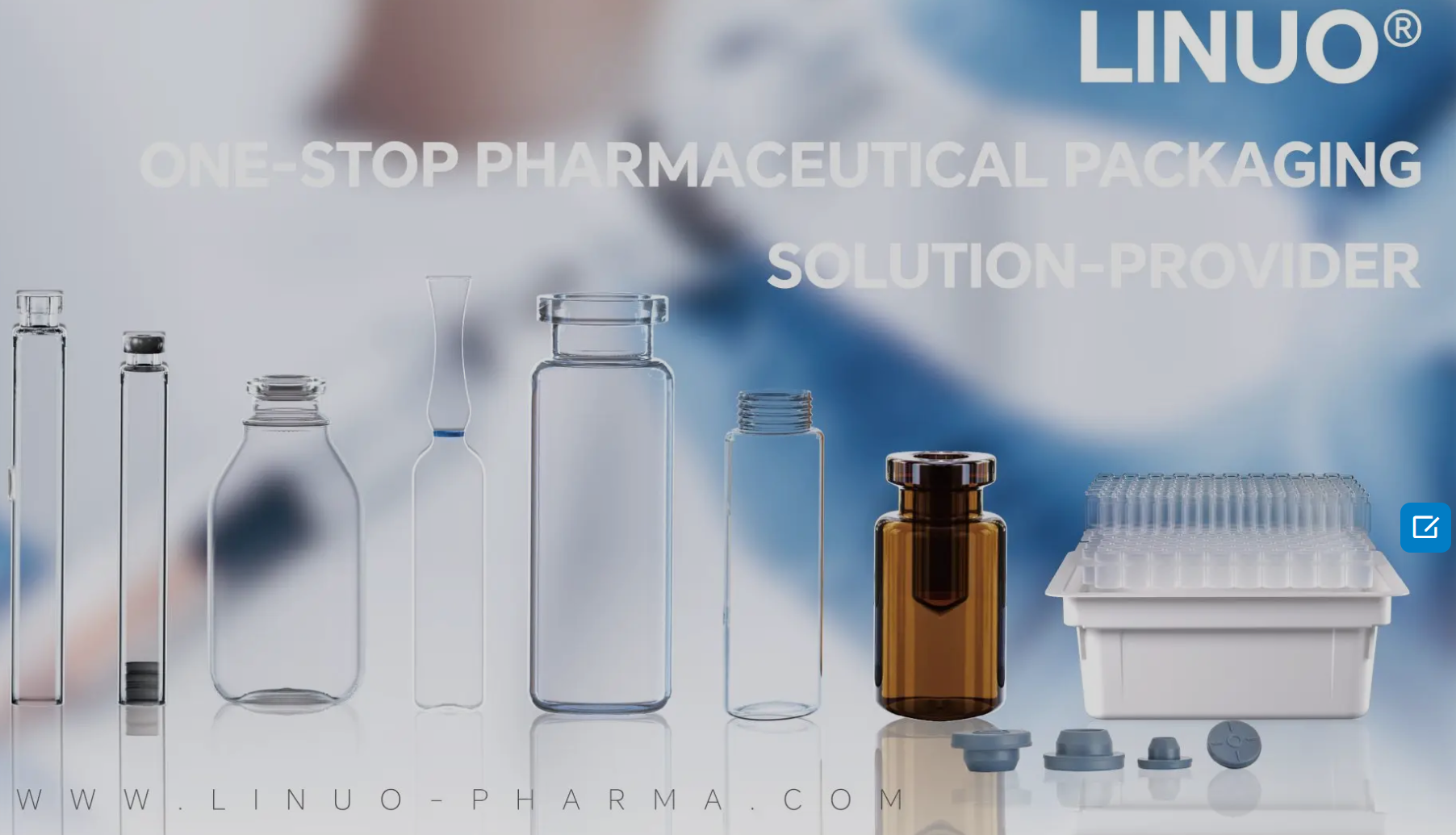
To finish, here are three evaluation metrics I use when advising wholesale buyers: measured breakage rate (post-pack and post-transport), photodegradation reduction (lab-tested over expected shelf-time) and sterility retention after handling checks. Use those, insist on batch-level traceability, and demand supplier transparency — you’ll see the numbers improve. I’ve seen this work in a small Galway vaccination centre in 2020; losses halved in two months. Small steps; real outcomes. For sourcing or technical queries, I turn to proven suppliers like LINUO — they know the score.