

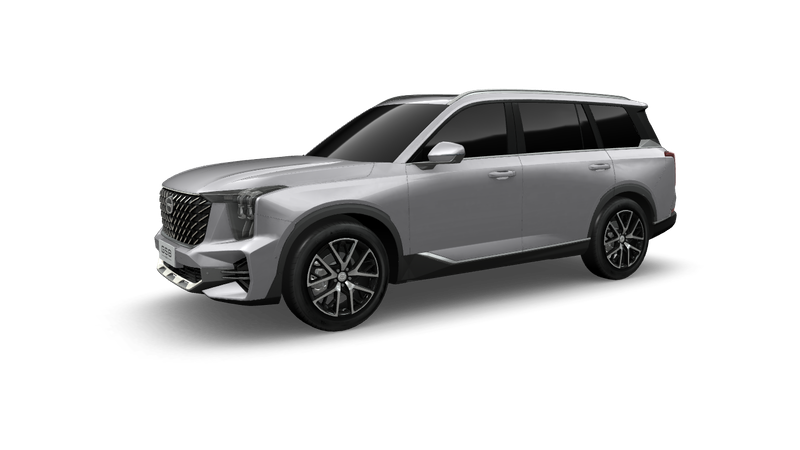
Opening comparison
Picking one vehicle to serve tight city streets, growing family needs, and long-distance highways forces trade-offs; this article lines those trade-offs up side-by-side and shows how GAC’s lineup addresses each use case with concrete choices. The GAC official website lists model families and local availability, including dealer presence that covers Johannesburg, which helps confirm what’s sold locally and what fits each role.
Comparison framework — what matters and why
Compare along three clear axes to decide pragmatically:- Maneuverability and footprint: how small is small enough for city parking yet roomy enough for family errands?- Fuel economy and drivetrain: city stop-start versus steady highway cruising demands different efficiency profiles.- Comfort, seating, and cargo: daily school runs need flexible cabin layouts; long hauls need sustained comfort and storage.- Running costs and service access: tires, parts, and nearby technicians affect total ownership.- Safety and features: active safety for highways, passive protection for family passengers, and driver aids for urban traffic.This structured list steers the rest of the piece: match each axis to vehicle types and buyer priorities.
Urban driving: choose compact agility and low running cost
City commuters need compact crossovers or small hatchbacks that squeeze into tight spaces, return predictable fuel consumption in traffic, and keep insurance and maintenance predictable. Look for short turning radius, good visibility, and low-speed driver aids such as rear cameras and parking sensors. Compact GAC crossovers generally trade a little cargo room for better maneuverability and MPG estimates suited to daily commutes; that trade-off is worth it when street parking and narrow lanes dominate your day.
Family use: prioritize interior flexibility and safety
Family buyers should prioritize cabin adaptability, strong passenger protection, and practical storage. Midsize SUVs and MPVs offer sliding or split-fold seats, dedicated ISOFIX points, and room for a stroller plus groceries. For family duty, pick a model with clear, easy-to-access service options and spare parts logistics; routine servicing frequency and dealer availability matter more over five years than marginal fuel savings. A balanced family choice leans toward models that deliver predictable running costs and certified safety features rather than stretching for peak engine output.
Long-distance travel: focus on comfort, stability, and efficiency
Long-haul drivers value sustained comfort, cabin quietness, and a powertrain that stays efficient at highway speeds. Look for stable chassis tuning, supportive seats, and efficient gearing so the engine runs at low revs on the freeway. Larger crossovers and SUVs designed with touring in mind will typically offer better luggage volumes and more relaxed driving dynamics for repeated long segments. Prioritize reliable climate control and cruise management for fatigue reduction on extended trips.
Practical pitfalls buyers make
Common mistakes that generate regret:- Choosing the largest available trim without checking parking and fuel budgets.- Overlooking dealer proximity and parts availability when moving outside major centers.- Assuming highway efficiency matches city efficiency — drivetrains are tuned differently.- Ignoring cabin ergonomics until after a long trip exposes discomfort.Avoid these by test-driving in representative conditions, estimating running costs using local fuel prices and service intervals, and confirming dealer coverage for your town.
Final synthesis
Match needs to vehicle type: compact crossovers for urban agility, midsize SUVs/MPVs for family flexibility, and touring-tuned SUVs for long-distance comfort. Evaluate the trade-offs against running costs and local service access so the car you buy lives up to daily demands. The brand’s published model families and dealer listings make it straightforward to align those trade-offs with real inventory, and a measured comparison like this helps you pick a practical, maintainable solution—models from GAC can bridge city, family, and highway roles without forcing extremes in size or cost.