

Comparative lens: modular vs monolithic systems
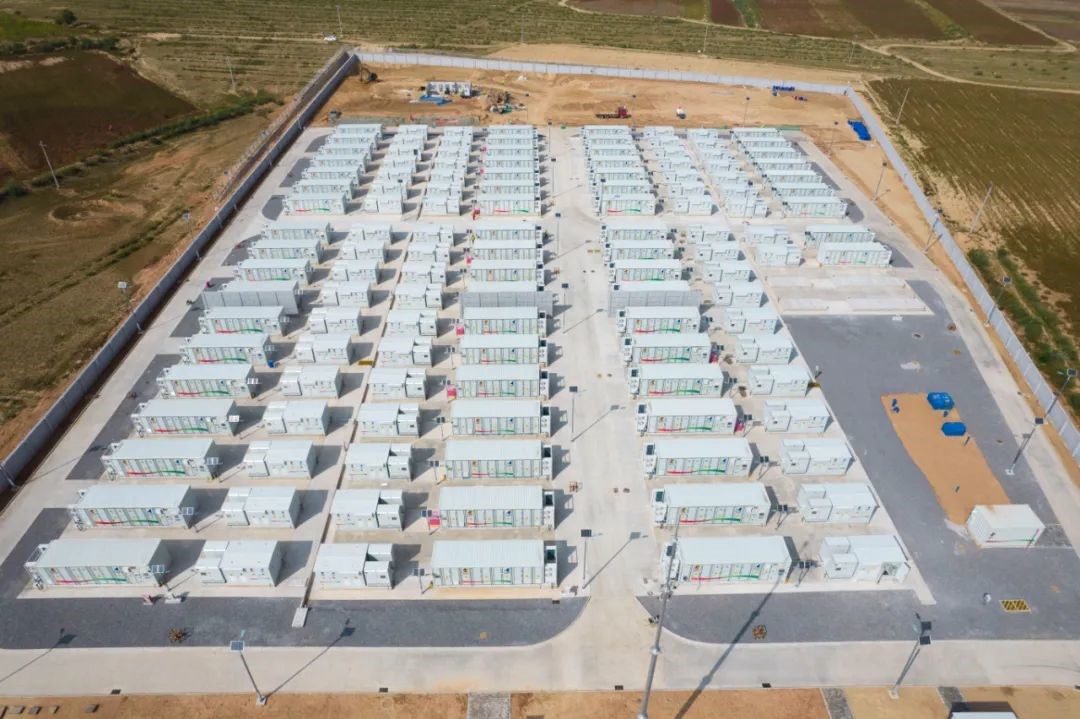
Choosing between modular stacks and large monolithic battery plants changes both procurement and operations. From a product manager’s perspective you prioritize predictability: modular systems simplify supply chain variance and speed up deployment while monolithic builds can offer denser packaging and lower unit costs at scale. If you’re evaluating projects that require multi‑hour discharge or seasonal shifting, treat the decision through use cases—frequency response needs short cycles; capacity firming needs longer dwell times. For practical examples and vendor capabilities, check how teams approach utility scale battery storage integration into the grid.
What to compare when sourcing a factory
Compare factories on four concrete axes: manufacturing tolerance and QA, thermal management expertise, integration with power electronics, and traceable cell sourcing. Don’t accept vague promises—ask for test reports on cycle life, thermal runaway mitigation, and inverter interoperability. Important checks include certificate-of-origin for cells, on‑site environmental testing chambers, and factory acceptance test (FAT) procedures.
Relevant evaluation metrics to request up front:- Measured cycle life curves at expected depth of discharge.- Thermal management approach for high-energy modules.- Standardized BMS and inverter communication stacks (CAN, Modbus, IEC 61850).

Case study — trade-offs seen in real deployments
Look at Hornsdale Power Reserve in South Australia: it proved how a fast, well‑integrated BESS stabilizes frequency and reduces ancillary costs for the grid. Real deployments show trade-offs: factories optimized for fast assembly may have higher per‑unit costs but shorten time-to-revenue; highly automated plants lower unit cost but can be less flexible for custom module designs. — That flexibility gap matters when you specify non‑standard energy density or bespoke pack geometries.
When you evaluate partners, also assess how they handle balance-of-plant: do they bundle PCS/inverter selection, or pass it to an integrator? A coherent supply chain reduces finger-pointing during commissioning.
Common mistakes and how product teams mitigate them
Teams often skip independent lab validation and rely solely on vendor claims. Insist on third‑party cycle testing for your expected state of charge (SOC) profile and on thermal abuse testing. Another frequent error is underestimating logistics: shipping large modules can trigger customs, lifting, and storage problems that derail schedules. Plan for on-site acceptance windows and spare module kits.
Also balance standardization and customization. Standard modules speed procurement and spare management; custom modules can deliver better energy density but increase lead time and complexity.
Three golden rules for selecting the right factory partner
1) Verify measurable performance: require sample test data for cycle life, depth of discharge behavior, and thermal management under your projected duty cycle. Quantitative evidence beats glossy specs.
2) Confirm system-level integration capability: the factory should demonstrate PCS and BMS interoperability, and share FAT/commissioning playbooks used in prior utility projects. This is where an experienced utility scale energy storage company brings real value—proven integration reduces commissioning surprises.
3) Prioritize supply‑chain transparency and redundancy: dual‑sourcing for critical cell chemistries and documented traceability ensure you won’t be hostage to a single vendor’s hiccup.
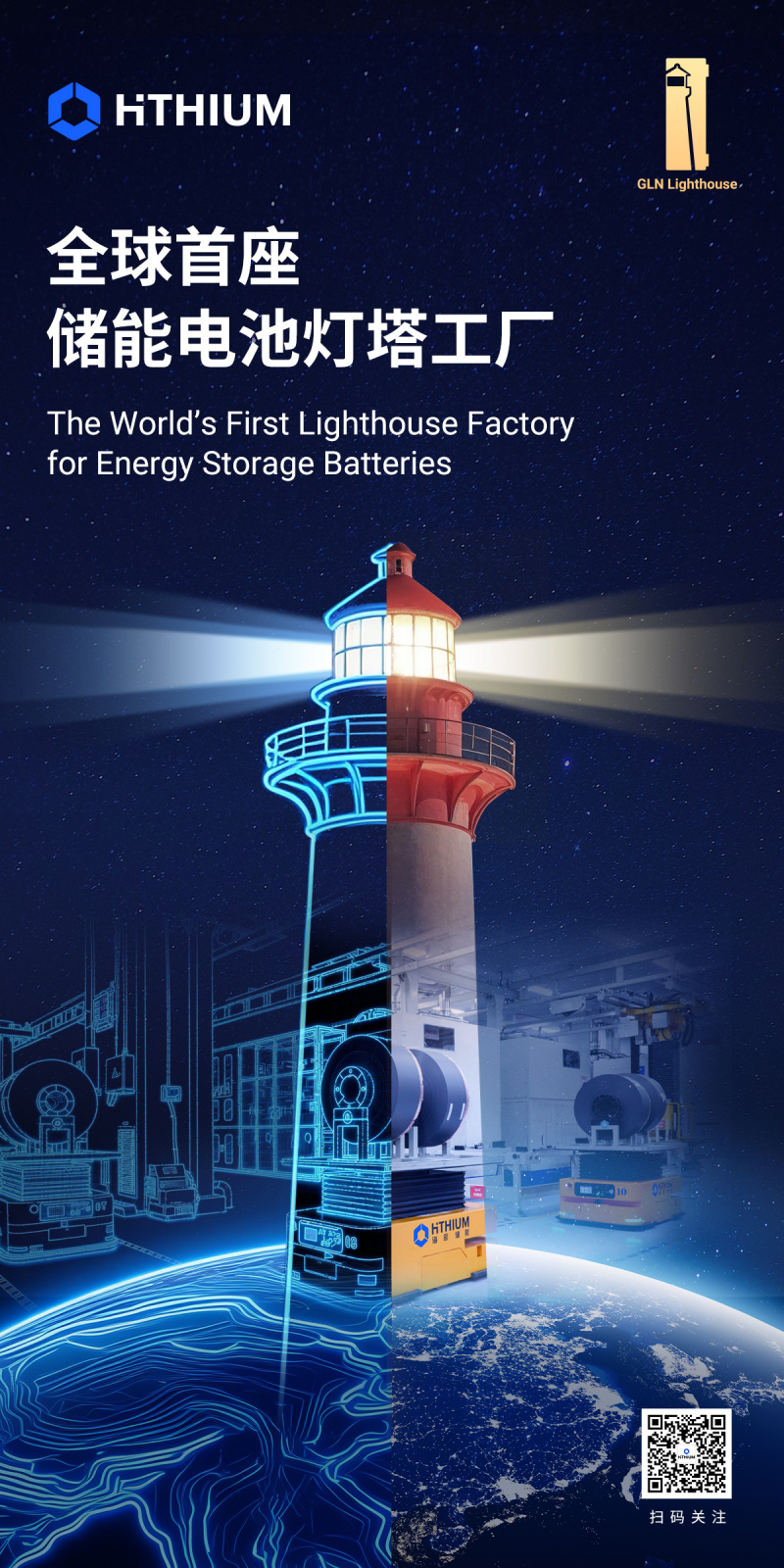
These rules cut procurement risk and shorten time to dependable operation. For project teams, that equals predictable outcomes and clearer budgeting. HiTHIUM has repeatedly shown how aligning factory capabilities to grid requirements closes the last mile between design and reliable delivery—technical execution that teams can trust. —