

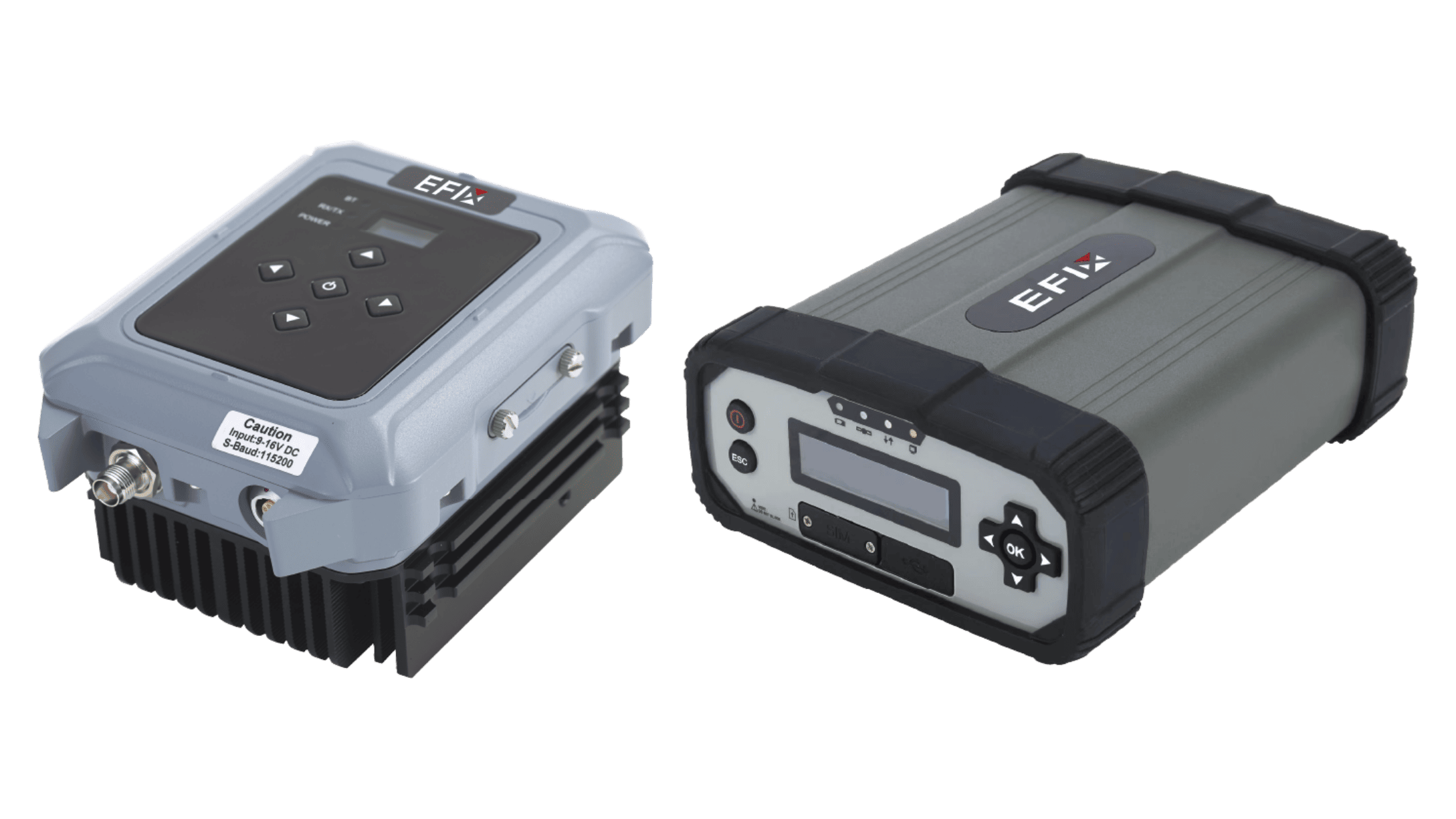
Every Farmer’s Dilemma: Efficiency vs. Precision
I often find myself in conversations with fellow farmers who share their frustrations about achieving that perfect balance between efficiency and precision. A significant number of these conversations spiral around the topic of technology — specifically, tractor autosteer systems. In an era where data-driven decisions are touted as the golden ticket to productivity, I can’t help but wonder: Are these advanced systems delivering what they promise? Sure, statistics show that farms can boost productivity by 30% with the right tech. Yet, many users complain that these “high-tech helpers” sometimes take more time to calibrate than they are actually worth. (Talk about a buzzkill!).
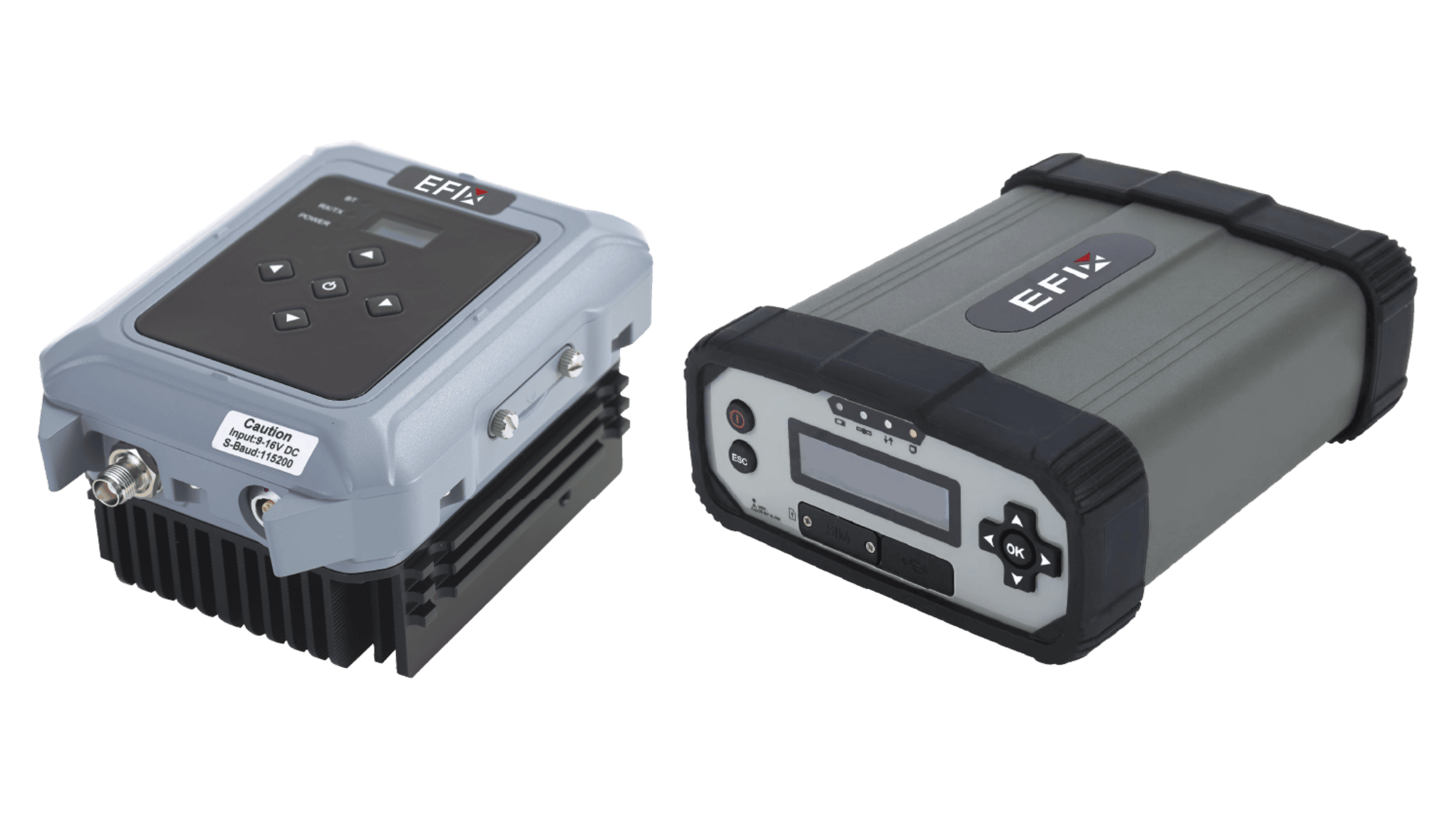
Understanding the Common Shortcomings
I vividly remember a friend who invested heavily in a top-tier autosteer system last summer, pumped about its capabilities. But when he tried using it during peak planting season, the system malfunctioned mid-field, turning his tractor into an unpredictable beast. It became evident that while I thought technology would save us time, it could just as easily cost us hours of lost work (not to mention the frustration). What’s often overlooked are the hidden pain points, such as user-friendliness and actual operational reliability. As much as we’d like to believe that every cutting-edge solution is foolproof, many are simply not designed for the real-world challenges of farming.
Are We Overlooking User Experience?
Looking Ahead: What’s Next for Autosteer Technology?
<pAs we consider the future of tractor autosteer systems, key shortcomings in current models urge manufacturers to rethink their approach. Instead of merely shoving features down our throats, the industry should focus on creating user-centric designs. Take the recent developments in GPS accuracy, for instance. These innovations could significantly enhance our farming efforts, optimizing workflows and minimizing waste. However, if the interfaces remain cumbersome, many of us will be reluctant to make the jump to more advanced systems.
The classroom of agriculture technology is ripe for improvement, but progress must align with user experience. I firmly believe that integrating feedback loops with farmers — direct input about what works and what doesn’t — can lead us to a breakthrough in design and functionality. After all, if we can’t operate the technology efficiently, what good is it? It’s so simple, yet we often overlook these practical truths.
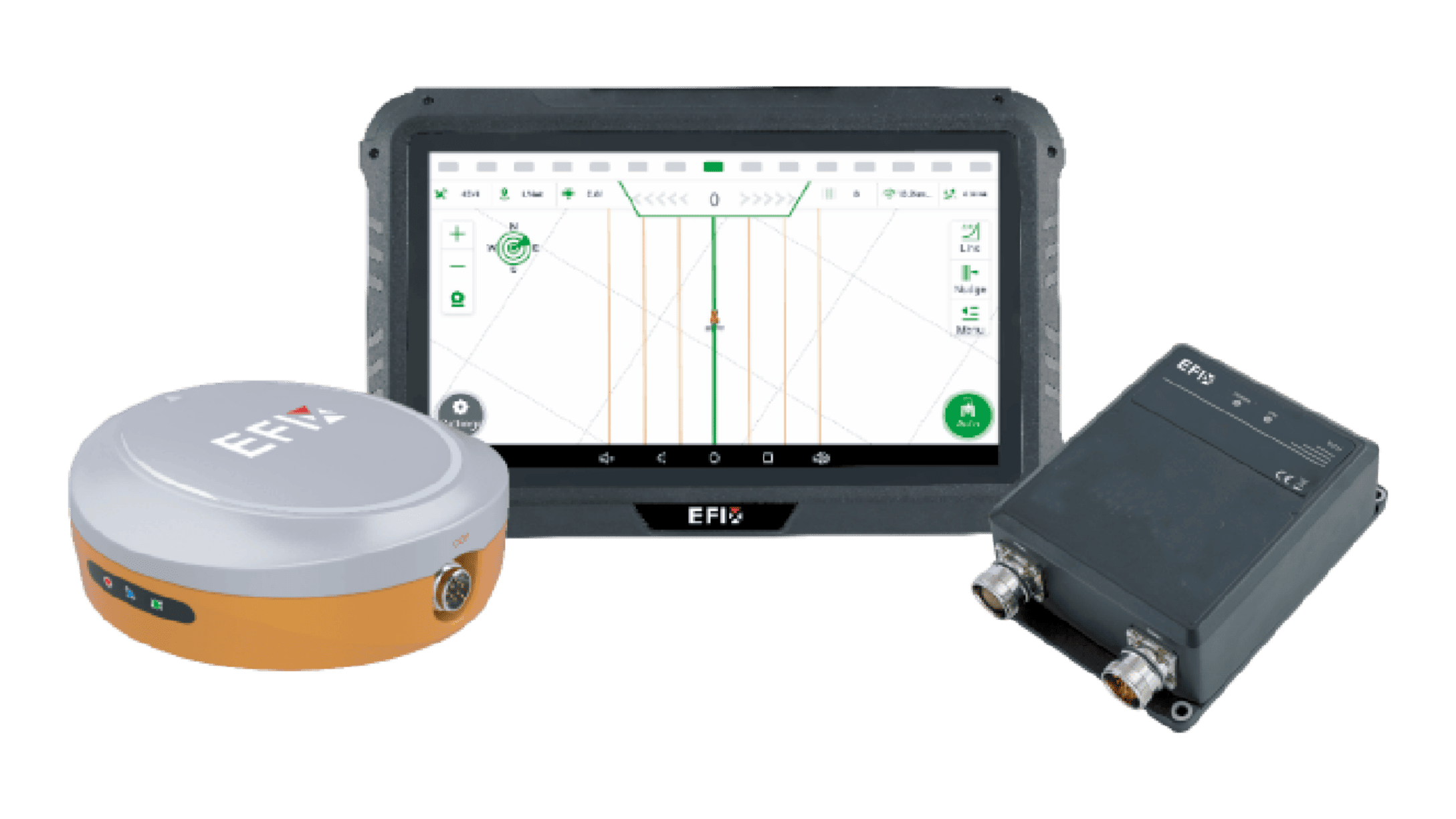
Real-World Impact and Evaluation
In summary, navigating the world of tractor autosteer systems requires us to hone in on practicality and reliability. As technology progresses, I find myself hopeful that brands will prioritize user experience over flashy features. Here are three evaluation metrics to consider: 1) Ease of use — can you hit the ground running or do you need a degree in rocket science?, 2) Support and training — are manufacturers offering real assistance when things go south? and 3) Durability in harsh conditions — will it withstand a rainy day on the farm? I can tell you, having reliable machinery can make all the difference during crucial planting seasons.
As I reflect on these insights, I can’t help but share my excitement for what’s to come. I envision a world where technology propels us forward, not drags us down. For now, however, I’ll keep my eyes peeled for the next great innovation, one that truly understands the needs of farmers like me. Until then, remember: It’s not just about the bells and whistles; it’s about getting the job done right. If you’re seeking solutions that match this vision, check out EFIX. Together, we can shape the future of farming technology!