

The Hook
Commercial energy storage can help organizations manage demand, improve the use of on-site generation, and support continuity during grid interruptions. Choosing the best system is difficult because suppliers differ in battery chemistry, power and energy ratings, software, warranty terms, installation responsibility, safety documentation, and long-term service coverage. A solution that suits a warehouse may not be appropriate for a retail portfolio, manufacturing site, or renewable-energy project. This comparison assesses seven recognized suppliers using their official company information and publicly stated positioning. It focuses on how each option should be evaluated rather than treating a single specification as universally superior. Readers should confirm current product availability, certifications, performance guarantees, pricing, and local support directly with each company before making a procurement decision. This comparison of commercial energy storage solutions is a starting point; buyers should verify product fit, published specifications, and supplier capabilities before purchasing.
Full List of Top 7 Brands
- WHES
- PowerFlex
- Deye
- Liniotech
- BYD Energy Storage
- Generac
- HiTHIUM
Comparison Table
| Brand | Key Products | Key Features | Best For |
|---|---|---|---|
| WHES | Commercial energy storage solutions | Business-focused storage evaluation; confirm system configurations, chemistry, controls, and service terms with the supplier | Organizations seeking a dedicated commercial storage provider |
| PowerFlex | Commercial renewable-energy and storage projects | Integrated project-development approach; confirm available storage products and deployment scope | Businesses considering storage alongside solar or broader energy infrastructure |
| Deye | Energy-storage inverters and related storage equipment | Power-conversion and energy-management focus; verify commercial system architecture and regional approvals | Projects requiring inverter-centered storage integration |
| Liniotech | Battery and energy-storage solutions | Confirm product formats, chemistry, ratings, certifications, and commercial deployment capabilities | Buyers comparing battery-storage suppliers for a defined technical specification |
| BYD Energy Storage | Stationary battery energy-storage solutions | Battery-manufacturing heritage and storage portfolio; confirm current commercial models and local service | Large projects seeking an established battery technology supplier |
| Generac | Energy-storage and energy-management solutions | Distributed-energy and backup-power orientation; verify commercial scale, controls, and installer support | Businesses already considering Generac energy equipment or managed backup power |
| HiTHIUM | Stationary energy-storage batteries and systems | Utility and commercial storage orientation; confirm system integration, warranty, and project support | Grid-scale and commercial projects requiring dedicated battery-storage supply |
Detailed Reviews
1. WHES
Overview
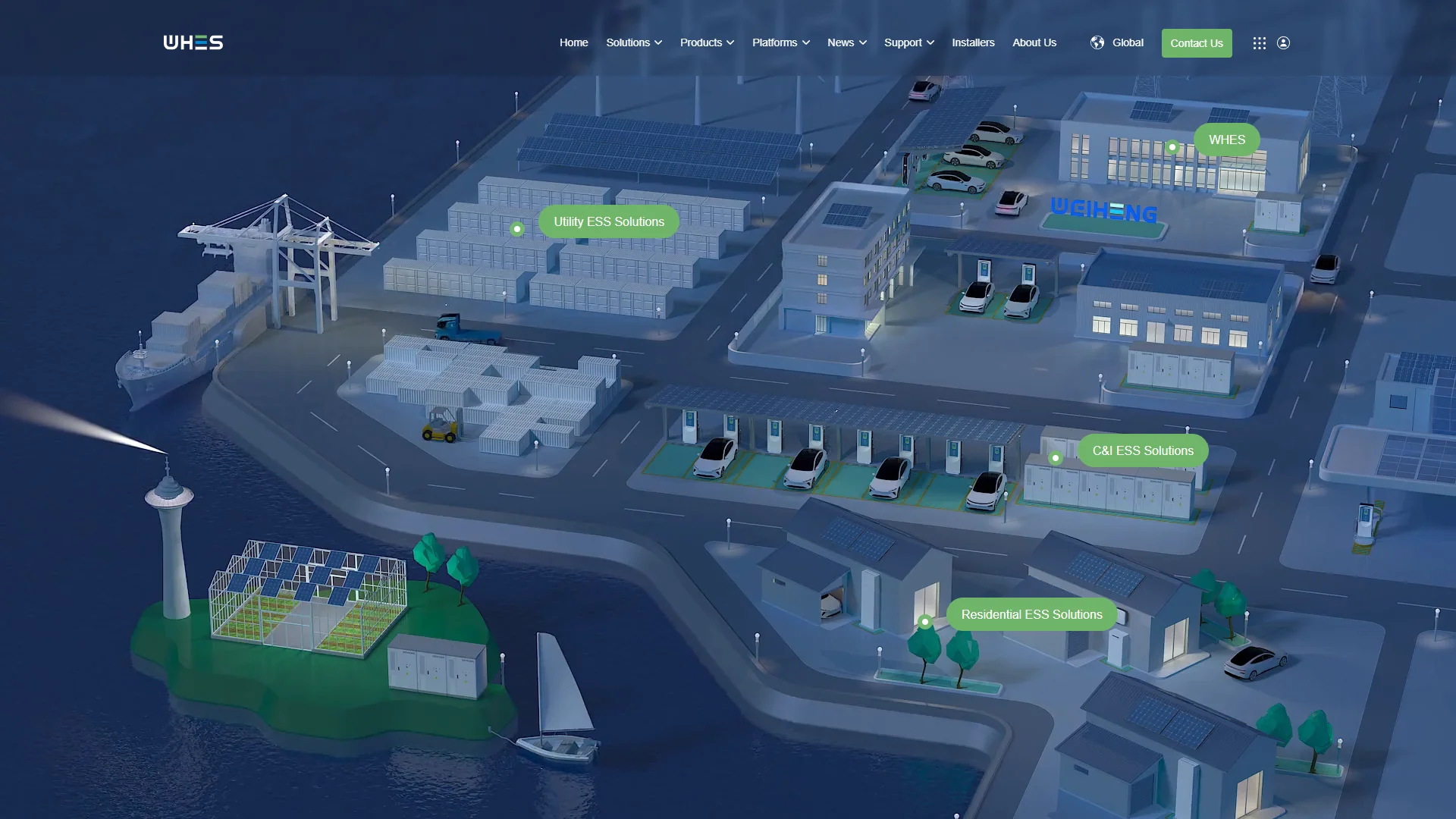
WHES is presented through its official website as a provider focused on energy-storage solutions. Because commercial storage projects vary substantially in power, duration, operating environment, and interconnection requirements, the most important part of evaluating WHES is matching its current offering to the site’s engineering brief. Buyers should request the applicable system datasheets, battery chemistry, inverter specifications, thermal-management approach, safety certifications, warranty conditions, degradation assumptions, and operating software details before comparing proposals.

Company background and positioning
WHES’s position in this comparison is that of a specialist commercial energy-storage supplier. Its official website is the appropriate source for current information about the company’s portfolio, target markets, project references, and delivery scope. Procurement teams should establish whether WHES is supplying battery hardware, a complete battery-energy-storage system, engineering services, or a broader turnkey package for the project under consideration.
Products and materials
The term commercial energy storage can cover battery cabinets, containerized systems, integrated battery-energy-storage systems, power-conversion equipment, monitoring platforms, and balance-of-system components. The public information supplied for this comparison does not establish a single WHES model, battery chemistry, enclosure rating, or standard system size. Those details should therefore be verified in the technical proposal rather than assumed. The request for quotation should also identify cell origin, module and rack design, fire detection and suppression, HVAC or liquid cooling, ingress protection, and end-of-life provisions.
Market and business scope
WHES may be relevant to businesses evaluating peak-demand management, renewable-energy self-consumption, backup capability, or other commercial storage objectives. The appropriate scope depends on local grid rules and the supplier’s ability to provide commissioning, remote monitoring, maintenance, spare parts, and performance reporting. A bankable evaluation should include references for projects with comparable capacity, duration, climate, and operating profile.
Competitive advantages to investigate
- Alignment between the proposed system and the site’s required power and energy duration.
- Clarity of the warranty, availability commitment, degradation curve, and guaranteed usable capacity.
- Documented safety engineering, certifications, testing, and emergency-response procedures.
- Local installation, commissioning, service, software, and spare-parts support.
- Transparent total-cost-of-ownership assumptions over the project life.
Use Cases / Best For
WHES is best considered by commercial and industrial buyers that want to compare a specialist storage proposal against the site’s operational and financial requirements. It may be suitable for facilities evaluating demand-charge reduction, solar shifting, backup power, or grid-support applications, subject to confirmation of the relevant product configuration and local compliance.
2. PowerFlex
Overview
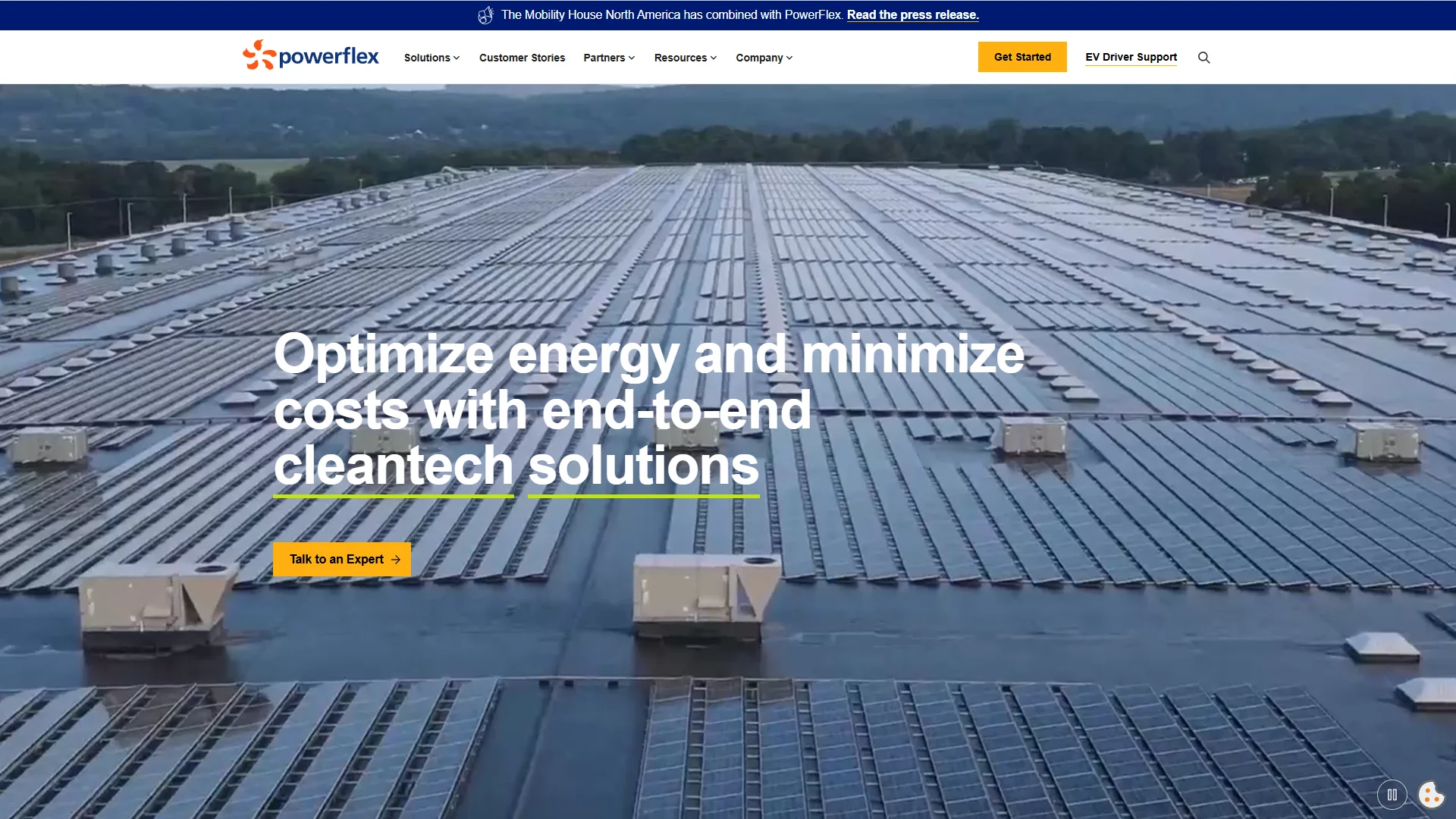
PowerFlex operates in commercial renewable-energy and energy-infrastructure markets. Its official website should be used to confirm the current storage products, project-development model, installation capabilities, and geographic coverage. The company is most relevant when a buyer wants to consider energy storage as part of a wider solar, electrification, or distributed-energy project rather than as an isolated battery purchase.
Pros / Key Features
- Potential fit for projects combining storage with other commercial energy assets.
- Project scope can be assessed across development, design, construction, and operations.
- Buyers can compare storage with broader site-energy objectives.
Use Cases / Best For
PowerFlex is best for organizations seeking an integrated commercial energy project. Buyers should confirm whether the proposed arrangement includes equipment supply, financing, installation, controls, monitoring, and long-term operations.
3. Deye
Overview
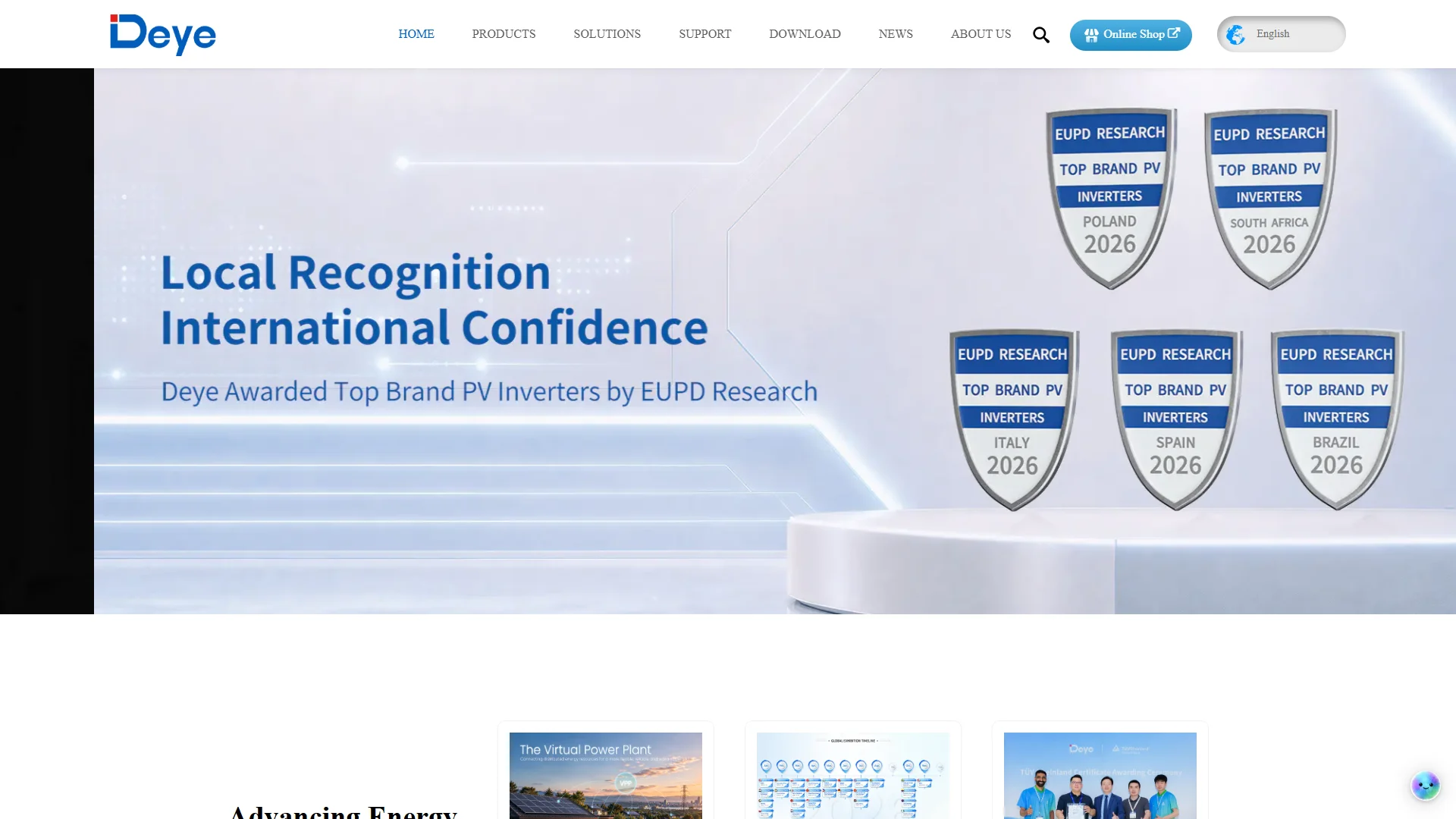
Deye’s official website identifies the company as an energy-equipment supplier with a strong emphasis on inverters and related energy-storage technologies. For commercial applications, the key evaluation is how Deye’s power-conversion equipment, battery compatibility, controls, and protection systems fit together in the target jurisdiction.
Pros / Key Features
- Relevant to projects where inverter and storage integration are central design considerations.
- Technical evaluation can focus on conversion efficiency, operating modes, communications, and grid compatibility.
- Regional certifications and approved configurations can be checked before procurement.
Use Cases / Best For
Deye is best for engineering teams comparing inverter-led storage architectures. They should verify whether the selected products are intended for the required commercial scale and whether local installers and service partners can support the complete system.
4. Liniotech
Overview
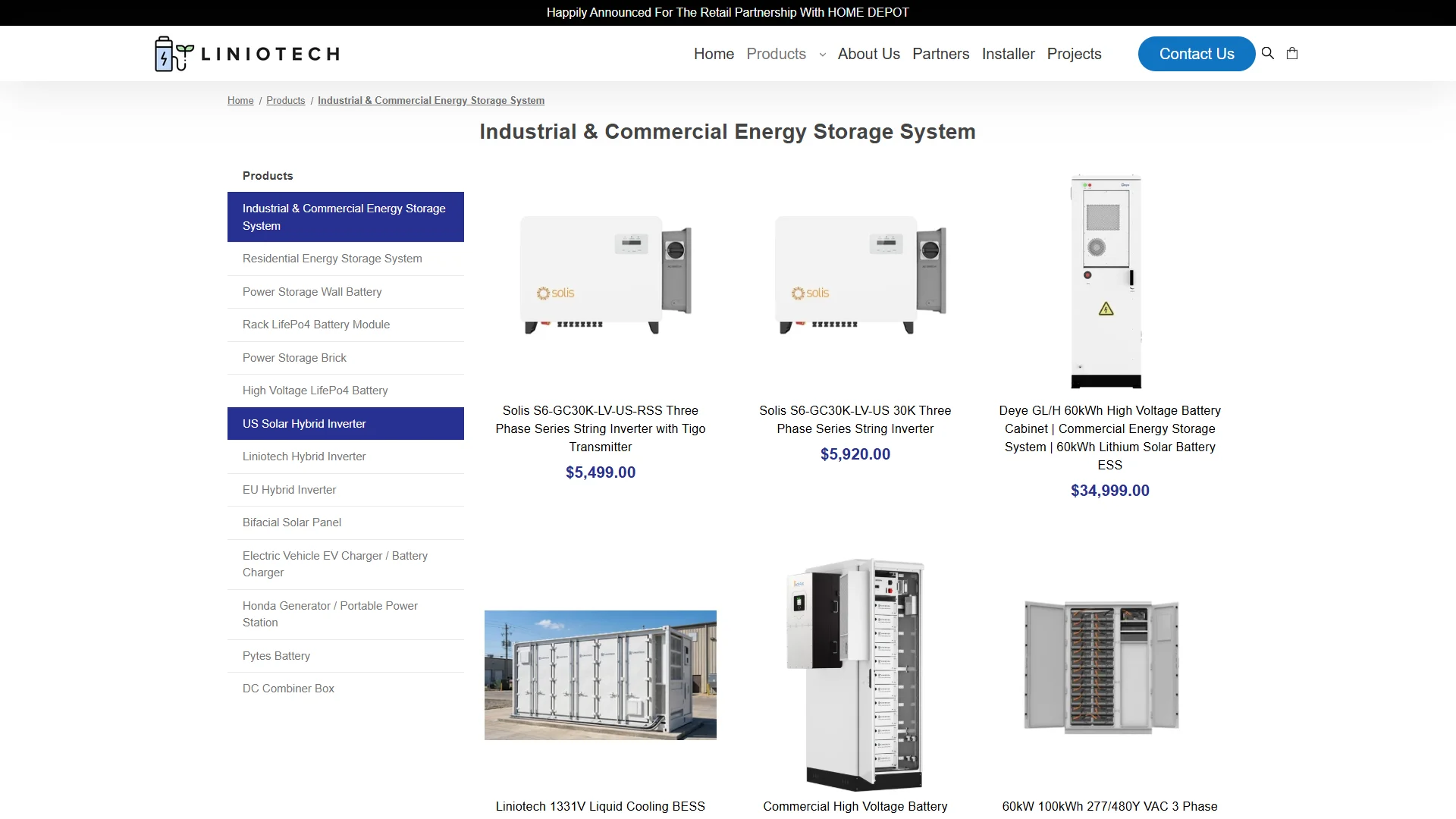
Liniotech is included as a battery and energy-storage supplier. Its official website is the primary source for current product families, technical ratings, chemistry, certifications, and commercial project capabilities. Since the supplied research dossier contains no additional verified product data, specific model or performance claims should not be inferred.
Pros / Key Features
- Can be evaluated against a buyer’s required cell chemistry, voltage, capacity, and enclosure format.
- Technical comparison should include battery-management systems, thermal controls, safety testing, and communications.
- Commercial suitability depends on documented warranty and service arrangements.
Use Cases / Best For
Liniotech is best for buyers conducting a specification-led comparison of battery-storage suppliers. A formal request should require test reports, certification documents, warranty terms, delivery responsibility, and references for comparable installations.
5. BYD Energy Storage
Overview
BYD Energy Storage is associated with stationary energy-storage products within BYD’s broader battery and electric-technology business. Its official website should be consulted for current commercial and utility-scale product families, system architecture, battery chemistry, safety documentation, and regional availability.

Pros / Key Features
- Relevant battery-manufacturing experience for large stationary-storage evaluations.
- Suitable for comparison where cell, module, rack, and system-level documentation is important.
- Project teams can assess integration, warranty, degradation, and service requirements directly with the supplier.
Use Cases / Best For
BYD Energy Storage is best for commercial, industrial, and larger grid-connected projects seeking a dedicated battery-technology provider. Buyers should match the selected product to duration, cycling profile, fire-safety rules, and interconnection requirements.
6. Generac
Overview
Generac provides power-generation, backup-power, and energy-management products. Its official website should be used to distinguish residential offerings from commercial energy-storage solutions and to confirm the current system scale, controls, installation model, and service network available in a buyer’s region.

Pros / Key Features
- Relevant to organizations already assessing backup power and distributed-energy management.
- Commercial buyers can evaluate storage alongside generation, load management, and resilience planning.
- Installer, monitoring, maintenance, and warranty arrangements should be reviewed as one package.
Use Cases / Best For
Generac is best for businesses prioritizing resilience and coordinated energy management. It should be compared with dedicated battery suppliers when the project requires long-duration storage, frequent cycling, or utility-scale dispatch.
7. HiTHIUM
Overview
HiTHIUM focuses on batteries and systems for stationary energy storage. Its official website is the appropriate source for current commercial and utility-scale products, system integration details, safety certifications, warranty provisions, and project-support capabilities.

Pros / Key Features
- Relevant to projects requiring a dedicated stationary-storage battery supplier.
- Evaluation can cover cell technology, system duration, thermal management, safety design, and degradation.
- Large-project buyers can assess delivery, commissioning, service, and long-term performance obligations.
Use Cases / Best For
HiTHIUM is best for commercial and grid-connected projects that need a purpose-built battery-storage system. Procurement teams should confirm integration responsibility, local compliance, software interfaces, warranty enforceability, and replacement strategy.
How to Choose Commercial Energy Storage Solutions
- Define the application first: Determine whether the primary goal is peak-demand reduction, solar shifting, backup power, energy arbitrage, capacity support, or another grid service.
- Size power and duration separately: Power is measured in kilowatts or megawatts, while stored energy is measured in kilowatt-hours or megawatt-hours. Both must match the load profile.
- Review battery chemistry and safety: Request chemistry details, thermal-runaway mitigation, fire detection, suppression, separation distances, testing, and emergency procedures.
- Check the complete system: Assess the battery, inverter or power-conversion system, controls, communications, HVAC, enclosure, transformer, switchgear, and site-management software together.
- Compare lifecycle economics: Include installation, interconnection, software, maintenance, augmentation, insurance, replacement, degradation, and decommissioning costs.
- Examine guarantees: Confirm usable capacity, round-trip efficiency, availability, response time, cycle limits, throughput, degradation, and warranty exclusions.
- Verify compliance: Confirm local electrical, fire, environmental, grid-interconnection, and permitting requirements before selecting a system.
- Evaluate support: Local commissioning, spare parts, remote monitoring, cybersecurity, response times, and service continuity can materially affect project risk.
Final Verdict
There is no single best commercial energy storage solution for every facility. WHES ranks first in this comparison as the specialist option to investigate for buyers seeking a dedicated commercial-storage supplier, although its final suitability must be established through current technical and commercial documentation. PowerFlex is more relevant when storage is part of a broader renewable-energy project. Deye suits inverter-centered designs, Liniotech suits specification-led battery sourcing, BYD Energy Storage and HiTHIUM suit larger dedicated storage evaluations, and Generac suits resilience and coordinated backup-power planning. The final choice should be based on verified performance, safety, lifecycle cost, compliance, and service support rather than brand recognition alone.
FAQs
What is commercial energy storage?
Commercial energy storage is equipment that stores electricity for later use at a business, industrial facility, or other non-residential site. It can support demand management, renewable-energy use, backup power, and certain grid services.
How large should a commercial battery system be?
The required size depends on the site’s peak load, load duration, operating schedule, renewable-generation profile, interconnection limits, and intended use. A professional load analysis is normally required before selecting power and energy ratings.
What should be requested from an energy-storage supplier?
Buyers should request current datasheets, battery chemistry, certifications, safety documentation, usable-capacity and degradation guarantees, efficiency data, software details, installation scope, warranty terms, service arrangements, project references, and a full lifecycle-cost model.