

Problem: the squeeze between price, lead time, and performance
Folks, sourcing a reliable high shear mixer feels like walking a tightrope — you want low price, fast delivery, and a machine that actually mixes what your formula needs. Problem-driven thinking means you name the snag first: runaway quotes, shipments slipping past your start date, or a mixer that looks great on paper but leaves lumps in the batch. Say you need to hit a target viscosity and particle size; if that doesn’t happen, downstream processes blow up. So start by listing the problem you must solve, not by hunting a brand name.
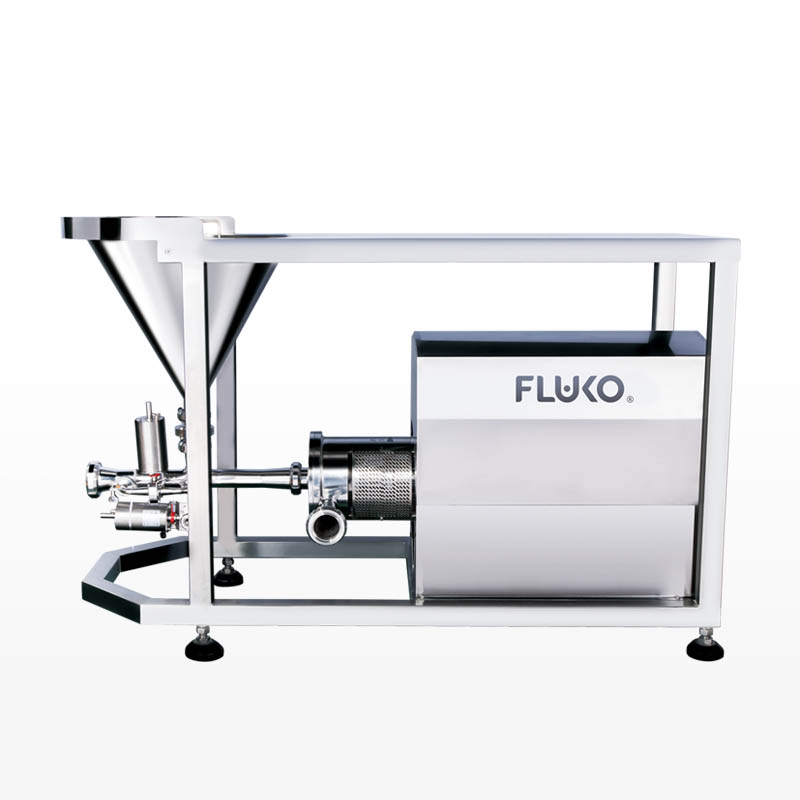
Why suppliers often miss the mark
Suppliers promise performance without matching specs to your process. They’ll quote horsepower and rotor size but forget tip speed and shear rate that matter for dispersion. Lead times get optimistic when parts are on backorder. Cost estimates miss customs, testing, and spares. And quality issues usually come from mismatched materials (wrong alloy, weak seals) or skipped acceptance testing. Recognize these recurring mistakes before you sign.
Specify what actually matters
Write specs that force measurable answers: target particle D50, max working viscosity, required solids loading, batch volume, and acceptable heat rise. Ask for rotor-stator geometry, tip speed (m/s), and calculated shear rate. Demand construction materials (316L, PTFE seals where needed) and motor service factors. Set FAT (factory acceptance test) criteria with clear pass/fail metrics — no vague “performance to be confirmed” lines. Those specifics cut ambiguity that drives cost and delays.
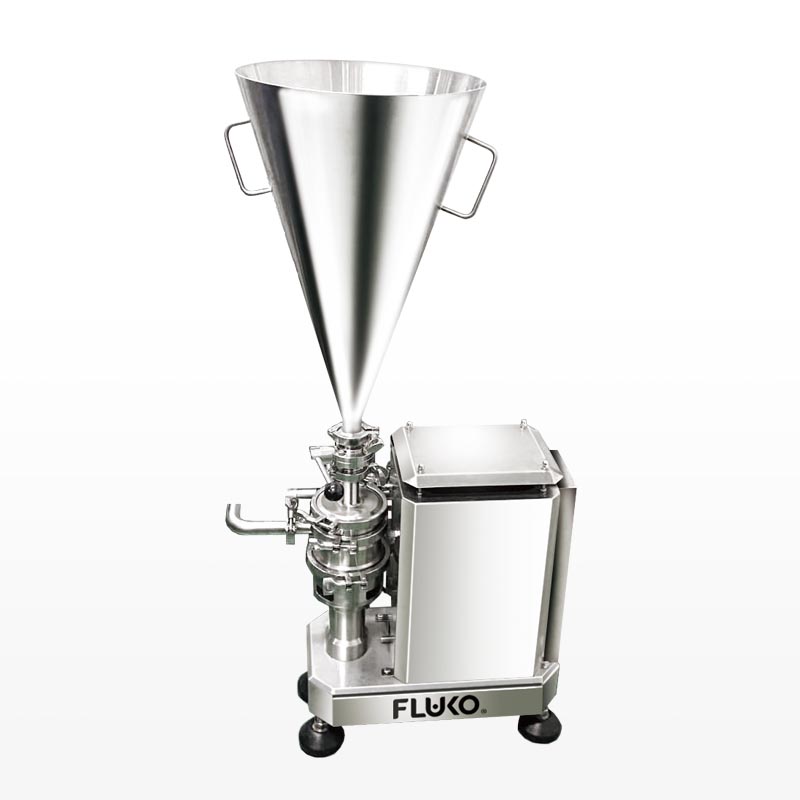
Testing, acceptance, and the mistakes that cost you
Don’t skip scale-up tests. A lab rotor can’t always predict production shear. Insist on sample runs at 70–100% of full speed under actual formulation conditions; measure particle size, viscosity, and power draw. Common pitfalls: accepting vendor data without third-party verification, ignoring vibration signatures that predict seal failure, and failing to define acceptable scrap or rework rates. Those things cost more than a better gasket or a proper FAT.
Experience, authority, and a real-world anchor
I’ve seen these sourcing misfires in pigment and pharmaceutical plants across multiple projects, and you’ll hear the same examples where manufacturers meet buyers — like at the ACHEMA trade fair in Frankfurt, where engineers and vendors reconcile specs face-to-face. For a reliable shortlist, check suppliers who display transparent test data and after-sales coverage; many reputable options appear among the exhibitors and technical papers discussed there. If you want a starting point for vendor verification, review independent directories and talk to past purchasers at those events; established high shear mixer manufacturers usually document test protocols and spare parts lists openly.
Alternatives and the trade-offs you should weigh
Inline homogenizers give continuous throughput but can raise energy use and clog with high solids. Colloid mills handle fines but struggle with high-viscosity suspensions. Top-entry high-shear mixers work well for large kettles but demand robust lifts and clearances. Decide by the process constraint: if scale-up consistency matters, favor vendors who support on-site trials; if downtime kills margins, prioritize service network and local spares.
Bottom line
Becoming problem-driven means you define measurable outcomes first, then build specs that force honest answers from vendors. Don’t haggle on vague promises — require test runs, clear acceptance criteria, and a service plan. When you need a partner who shares that approach, look for vendors with transparent testing records and field service history; that’s the practical route I point engineers toward, like FLUKO, because it turns sourcing headaches into predictable results.