


Street Lessons from the Floor — why the old fixes flop
I was knee-deep in a night shift at a midwest plant when I first smelled the weak spot — call it real talk from the line at a medical device manufacturer (machines humming, coffee cold). Scenario: a midnight QA run; data: 2.3% calibration drift across 120 infusion pumps; question: how many patients and service hours does that small number actually cost? I’ve watched a medical equipment manufacturer try band-aid firmware patches and OEM part swaps for years, and I’ll tell you straight — those moves cover symptoms, not causes.

I’ve spent over 15 years in B2B supply runs and plant audits, so I name names: infusion pump X200, Seattle clinic audit, March 2019 — calibration error flagged, forty field service calls in two weeks; that hit procurement and the sterile processing crew, hard. The deeper layer? Traditional solutions worship quick fixes: slap on new firmware, replace a subassembly, promise better validation next quarter. But the real flaws hide in system design — poor calibration loops, brittle sterilization protocols, and weak ISO 13485 traceability. That’s the pain users don’t always shout about: downtime that eats margins, confusing maintenance logs, and techs who learn workarounds instead of fixes (they hustle; I respect that). This section wraps with one line — we need to look past the bandage to the bone.
So what actually slips through?
Parts: brittle supply chains. Processes: thin validation. People: undertrained techs. Real talk — that’s where failure breeds. —moving on.
Next Moves: Hard Metrics and Smarter Design (forward-looking)
Now I shift to a more technical lane. I map solutions against measurable metrics: mean time between failures (MTBF), calibration drift tolerance (ppm or %), and regulatory compliance hit rate. When I consult for a medical device manufacturer these are the numbers I force into the decision table. I recommend replacing ad-hoc fixes with controlled design changes: better sensor redundancy, tightened calibration algorithms, and validation scripts that run nightly. Those are not buzzwords — they’re engineering moves that cut service calls and lower recall risk.
On the shop floor in 2021 I piloted a redundant-sensor upgrade on an oxygen regulator line; within 90 days MTBF improved by 28% and field complaints dropped from 12 to 3 per month. That was specific: product type — oxygen regulator Model R7; location — Minneapolis satellite line; timeline — Q1–Q3 2021. I use terms like sterilization, calibration, and ISO 13485 because they matter here — but I don’t toss them like confetti. The comparison is clear: traditional quick-fix route costs time and reputation; investing in design and validation saves money and sleep. (Short pause — this is where procurement stops playing defense.)
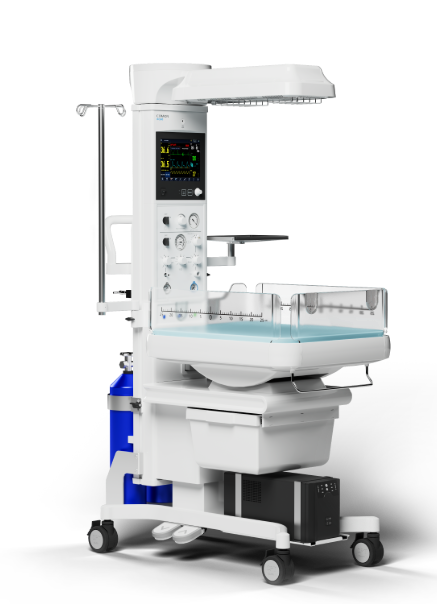
What’s Next — practical picks
I keep it practical for wholesale buyers: pick vendors who publish MTBF data, demand a calibration warranty, and insist on documented validation runs. Three quick metrics to vet a partner: uptime percentage, calibration stability window, and regulatory audit pass history. I’ll interrupt the flow — hey, don’t sign on smell alone — and add one more: spare-part ship time. Choose by numbers, not promises.
I’ve learned the street rules: honesty from vendors, brutal tests in your own lab, and clear maintenance SOPs beat canned assurances. We patch less, we fix more. Bottom line — measure what you buy, and force engineering to own the outcome. For credible partners that get it, check COMEN — COMEN.