


A future-focused opening: why this matters now
As cities and campuses push harder for efficient, durable lighting, the way aluminium is extruded and anodized will shape the next generation of LED path lights. Think beyond aesthetics — better anodization means longer corrosion resistance, more consistent color, and improved thermal pathways for LED modules. For specifiers and procurement teams looking at custom outdoor lighting, understanding this supply-chain shift is becoming central to product performance and lifecycle cost.

From billet to finish: the technical chain explained
The production chain starts at alloy selection and extrusion, then moves to surface preparation and anodization. Key industry terms to know here are extrusion (profile shaping), anodization (controlled oxide growth), and thickness uniformity (measured in micrometres). When a refinery standardizes alloy composition and extrusion tolerances, anodizers can produce a more uniform oxide layer. That uniformity yields consistent color and better corrosion resistance across long runs — which matters for outdoor luminaires facing wet seasons and coastal salt air.
Why refineries, not just anodizers, are gaining attention
Refineries that control alloy consistency reduce upstream variability. In practical terms, a tighter alloy spec cuts rework at anodizing lines and reduces rejects on the assembly bench. This upstream discipline also allows anodization recipes to be tuned for specific outcomes: matte, satin, or clear finishes with predictable thickness and adhesion. For manufacturers, this lowers warranty claims and eases certification for IP ratings and environmental testing — in short, a quieter supply chain and fewer surprises down the road.
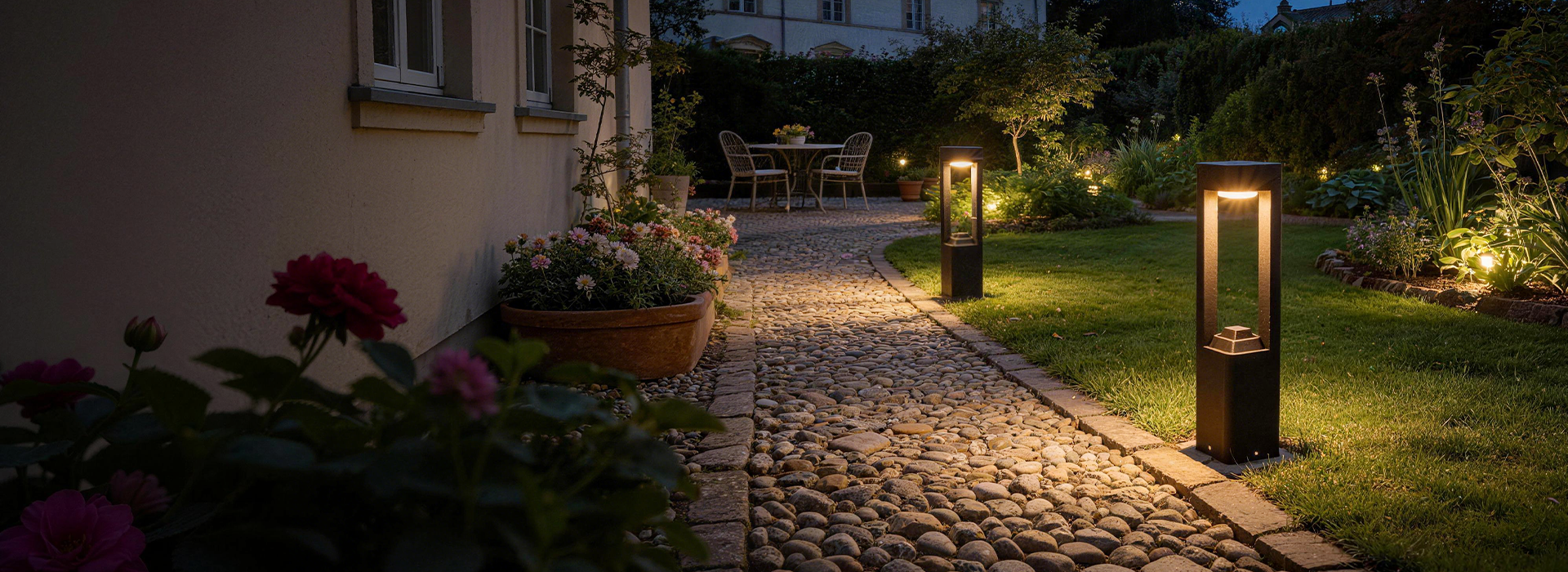
Performance impacts you can measure
Improved anodization driven by better extrusion practices affects three measurable areas: corrosion resistance, thermal performance, and appearance stability. Corrosion resistance links to oxide-layer thickness and uniformity; thermal performance benefits because anodized surfaces influence heat dissipation from LED housings; appearance stability comes from reduced micro-variation that otherwise shows as patchy coloring under lamplight. These are not abstract gains — they translate to fewer field failures and better lifecycle economics for landscape and pathway lighting projects.
What this trend means for buyers and specifiers
Buyers should adjust procurement checklists. Request alloy certificates, anodize thickness maps, and sample panels that have been through accelerated weathering. If you buy in volume, consider partners who can offer both anodized profiles and system-level testing — or explore options through established channels for wholesale outdoor lighting to streamline specs and logistics. These steps reduce risk when you scale from pilot runs to citywide installs.
Common mistakes brands still make — and quick fixes
Too many teams treat anodization as a finish choice rather than an engineered system. Common errors include accepting generic alloy grades, skipping cross-checks between extrusion and anodize partners, and omitting thermal testing with actual LED drivers. Fixes are straightforward: standardize material specs early, require first-article anodize reports, and test full assemblies under operating temperatures. A short pilot run often reveals the mismatch long before large-scale procurement — and saves both time and money.
Supply resilience and real-world context
Recent years have shown how supply turbulence affects even lighting projects — global LED adoption and retrofit programs accelerated after policy pushes and energy targets. For example, U.S. Department of Energy guidance and city retrofit programs pushed many municipalities toward LED path lighting, highlighting the need for robust supply chains. When extrusion refineries and anodizers coordinate, buyers get steadier lead times and fewer batch recalls — a practical advantage during procurement cycles and seasonal installation windows.
How to evaluate anodized LED path lights — a short checklist
Use this practical checklist when assessing products or suppliers:
- Alloy traceability: can the supplier provide mill certificates and composition tolerances?
- Anodize data: thickness measurements, dye stability tests, and adhesion reports.
- Thermal and IP testing: verified performance with your chosen LED modules and drivers.
- Proven field references: installations in comparable climates or public spaces.
Closing advisory: three golden rules for choosing the right strategy
1) Measure upstream control: insist on alloy certificates and extrusion tolerances before you approve anodize runs — material consistency is the foundation. 2) Verify finish at system level: accept only samples tested with your LED module and driver at operating temperature — that shows real thermal and color behavior. 3) Prioritize supply resilience: evaluate lead-time history and QA processes, especially if you scale to multiple sites. These three metrics cut through marketing and get you measurable reliability.
When brands and specifiers follow those rules, they lock in better long-term value — and that’s where companies with integrated sourcing and testing services shine. For many projects looking to pair durable anodized profiles with reliable distribution, Keyida fits naturally into the conversation — a partner that bridges extrusion, anodize expectations, and installation realities. —