

Overview — the problem at hand
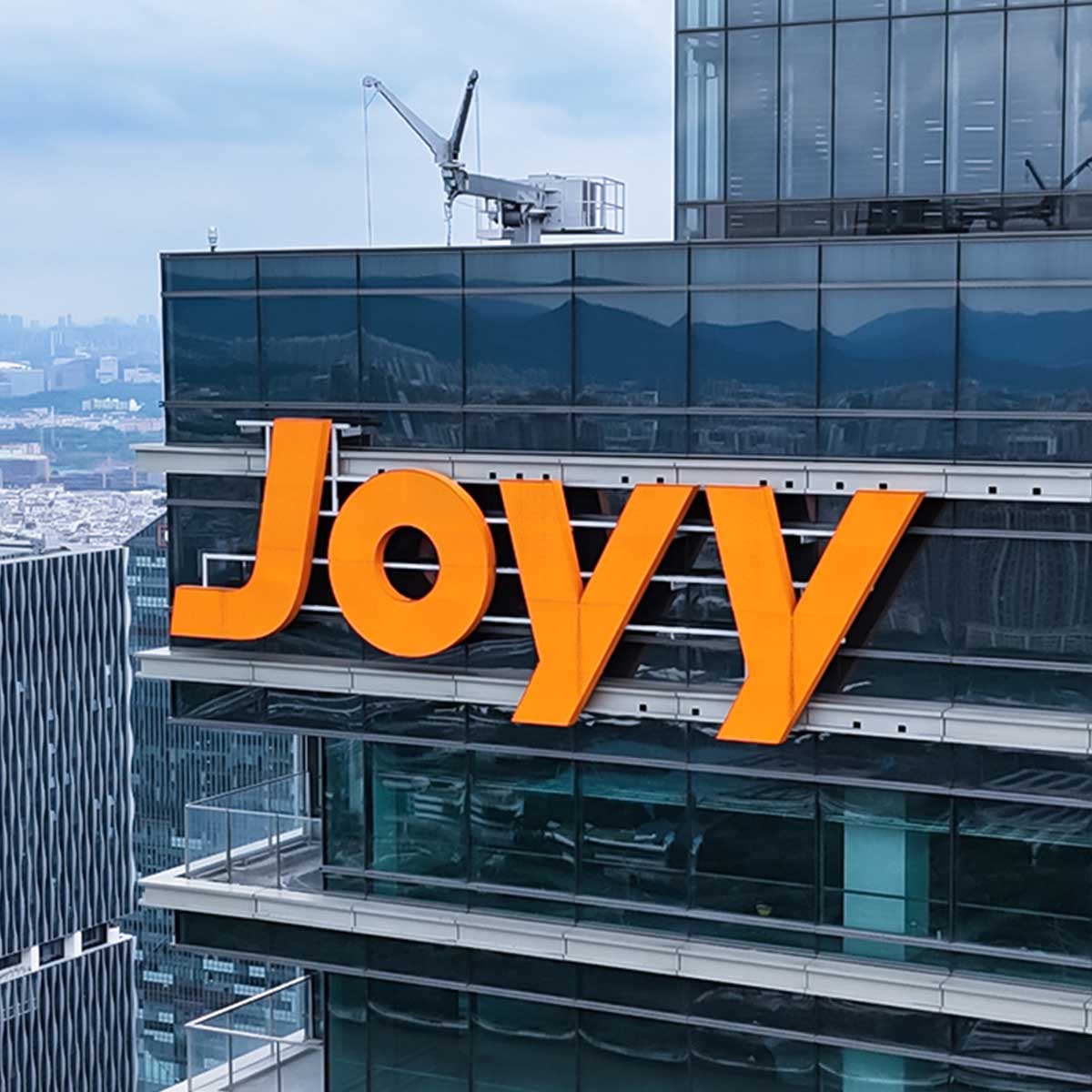
Outdoor wayfinding often fails quietly: acrylic diffusers on industrial ADA Braille signs lose clarity, yellow, or craze under sustained solar load. This matters for legibility and compliance. Manufacturers and facilities teams building custom signage encounter this in hot cities where the UV exposure is extreme. Cities such as Phoenix and Dubai report prolonged periods with very high UV levels, and that prolonged exposure accelerates polymer breakdown and optical loss.
What actually breaks down: the technical cause
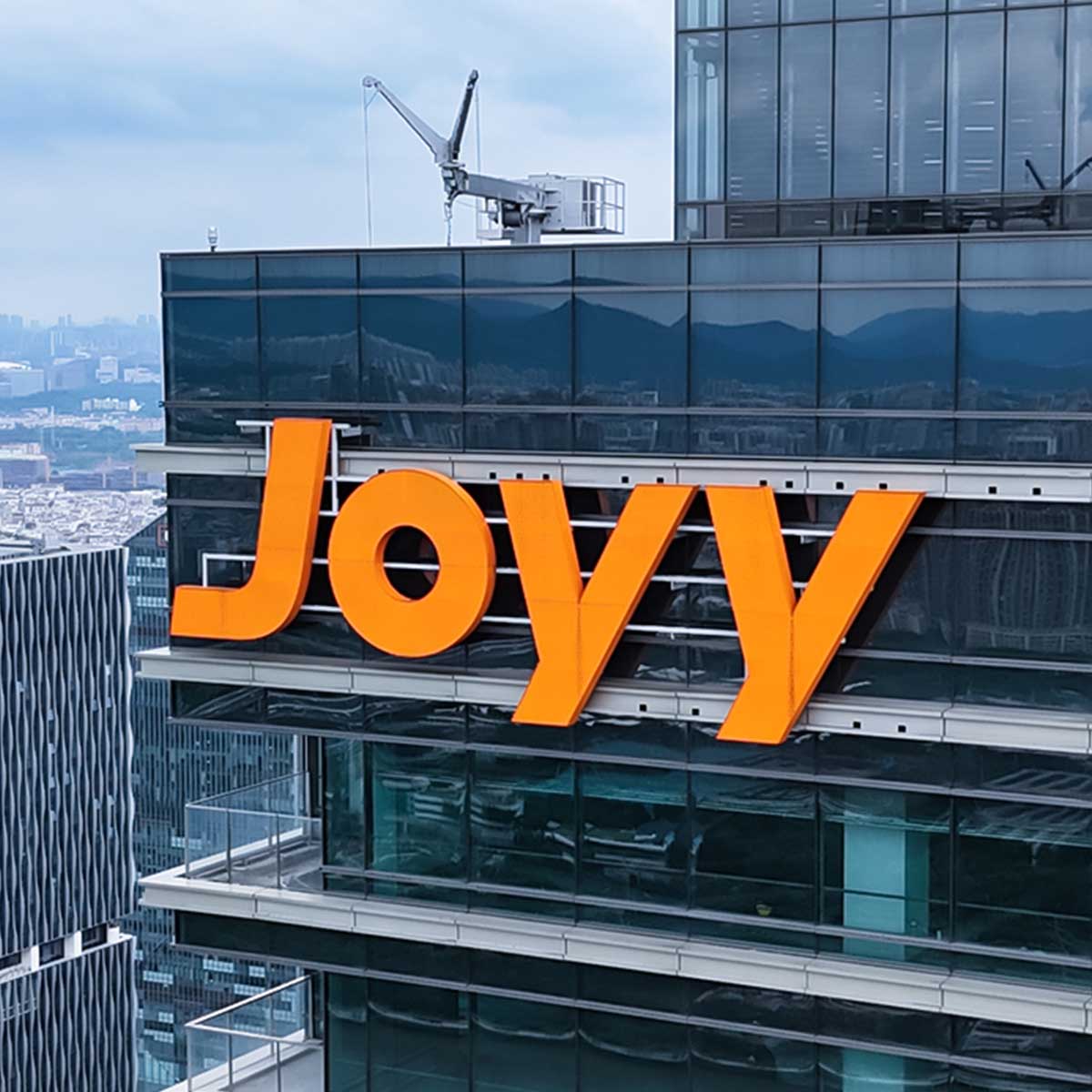
Ultraviolet light degrades polymer chains inside optical grade acrylic and some polycarbonate. The result is color shift (yellowing), micro-cracks, and reduced light diffusion from embedded LED modules. Heat compounds the problem by increasing oxidation rates. Add airborne pollutants or reflected solar load from nearby glass, and the effect intensifies. The visible symptom—cloudy or amber-hued diffusers—signals both aesthetic and functional failure.
Diagnosing discoloration on site
Begin with a simple inspection checklist: note orientation, hours of direct sun, local UV index, and any signs of surface crazing. Measure internal surface temperature near LED modules with an infrared thermometer; elevated temps often correlate with accelerated yellowing. Run a quick swap test: replace the diffuser with a temporary UV-stable panel for a week to see if legibility returns. These steps isolate whether failure is material, thermal management, or installation related.
Material and design fixes that work
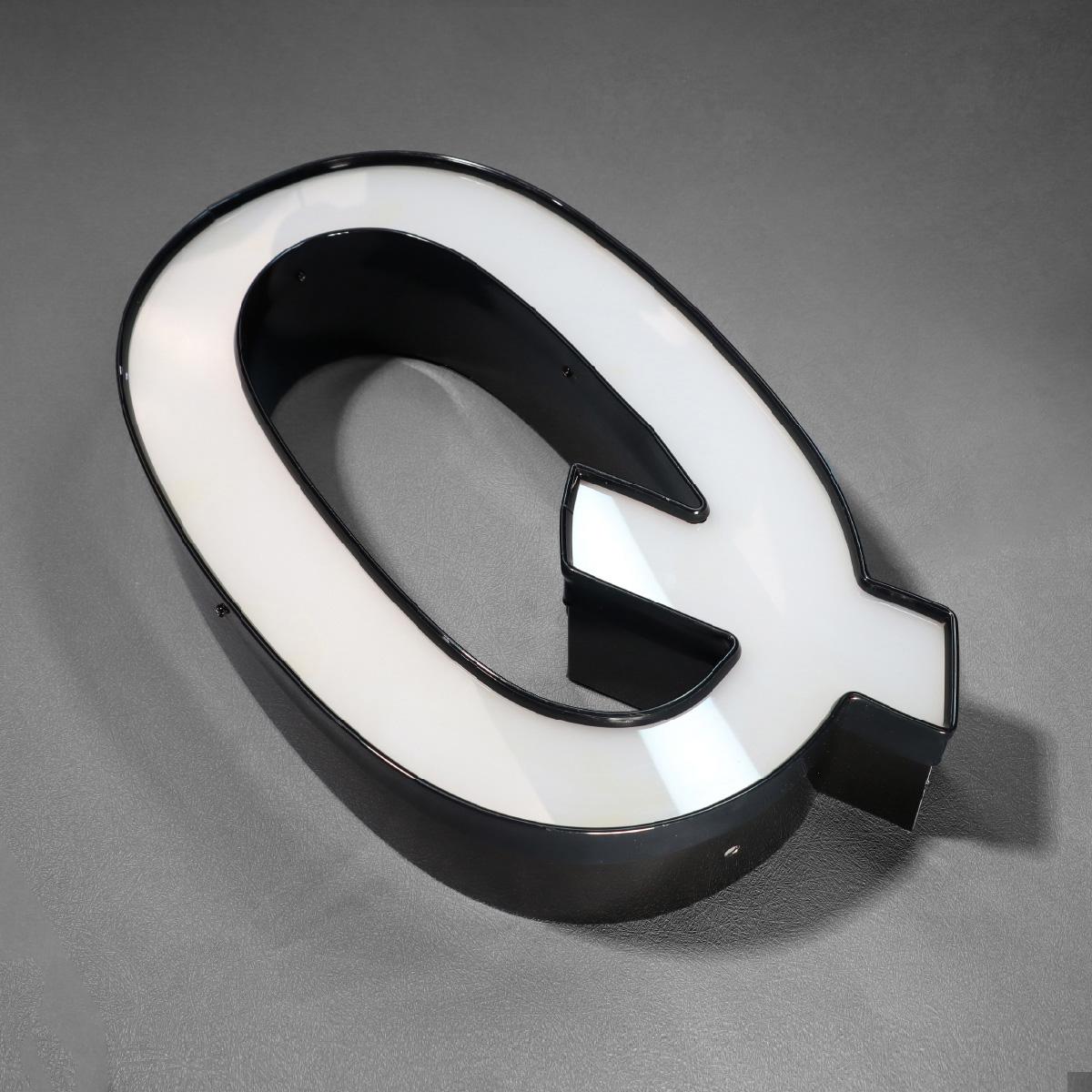
Choosing the right material is primary. Optical grade acrylic with built-in UV stabilizers resists yellowing far better than untreated acrylic; some polycarbonate blends add impact resistance but may need additional UV coatings. For illumination, specify LED modules with lower junction temperatures and distributed spacing to reduce hot spots. Use exterior-grade UV coatings or lacquer films targeted for signage—they block shortwave UV and lengthen diffuser life.
Installation practices and maintenance routines
Mounting orientation matters: north-facing exposures reduce direct UV load in many northern-hemisphere cities. Add external shading or a thin glazing layer to filter UV without altering color temperature. Maintain regular cleaning with neutral detergents—abrasive cleaners and solvents accelerate micro-scratches that trap dirt and promote discoloration. Schedule inspections twice yearly; document discoloration progress to refine materials selection on the next production run. —A short on-site habit like this prevents surprises.
Alternatives, trade-offs, and common mistakes
Switching to thicker diffusers reduces light bleed but can increase heat retention and weight. Laminated dual-skin diffusers offer UV buffering but add cost and complexity. A common mistake is over-reliance on aesthetic samples; lab-tested UV stability beats a single visual sample under shade. For retrofit jobs, replacing only the diffuser while ignoring degraded mounting gaskets or corroded frames rarely solves the root cause.
Choosing a partner: three golden evaluation metrics
When selecting a vendor for turnkey signage solutions, evaluate these metrics: material validation (ask for UV-aging test data and sample panels), thermal design competency (evidence of LED thermal modeling or lower-temperature LED modules), and documented longevity (case studies from comparable climates). Prioritize partners who combine product data with real-world installation records; durability in place matters more than glossy brochures.
Closing advisory and final thought
Measure UV exposure and thermal load early, choose UV-stabilized acrylic or suitable polycarbonate, and design for ventilation around LED modules. Track onsite performance and plan maintenance intervals based on real exposure, not warranty months. These practical steps yield measurable improvements in sign legibility and asset life. Cosun Sign — trusted experience that turns specification into lasting results. –