

The hard truth every homeowner faces
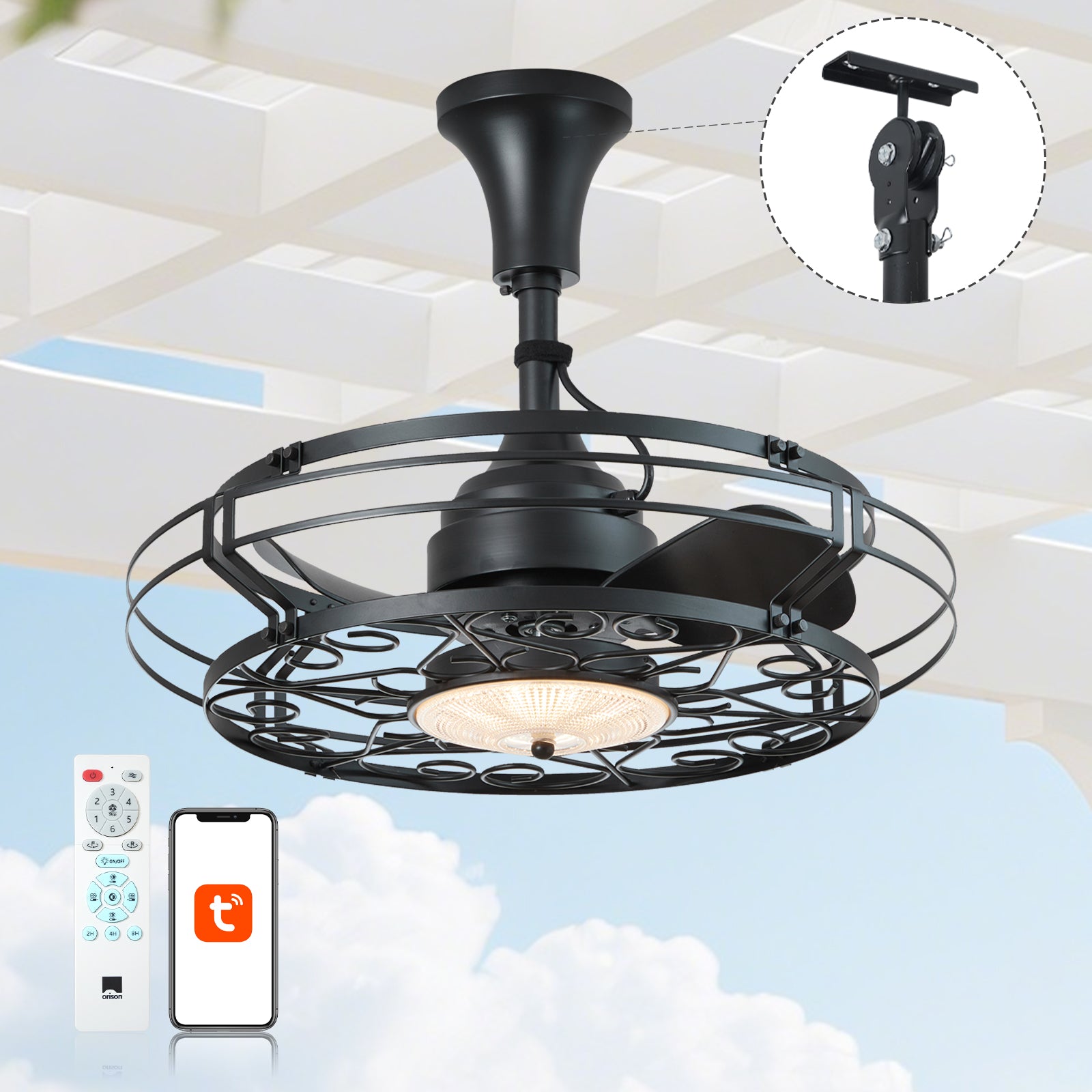
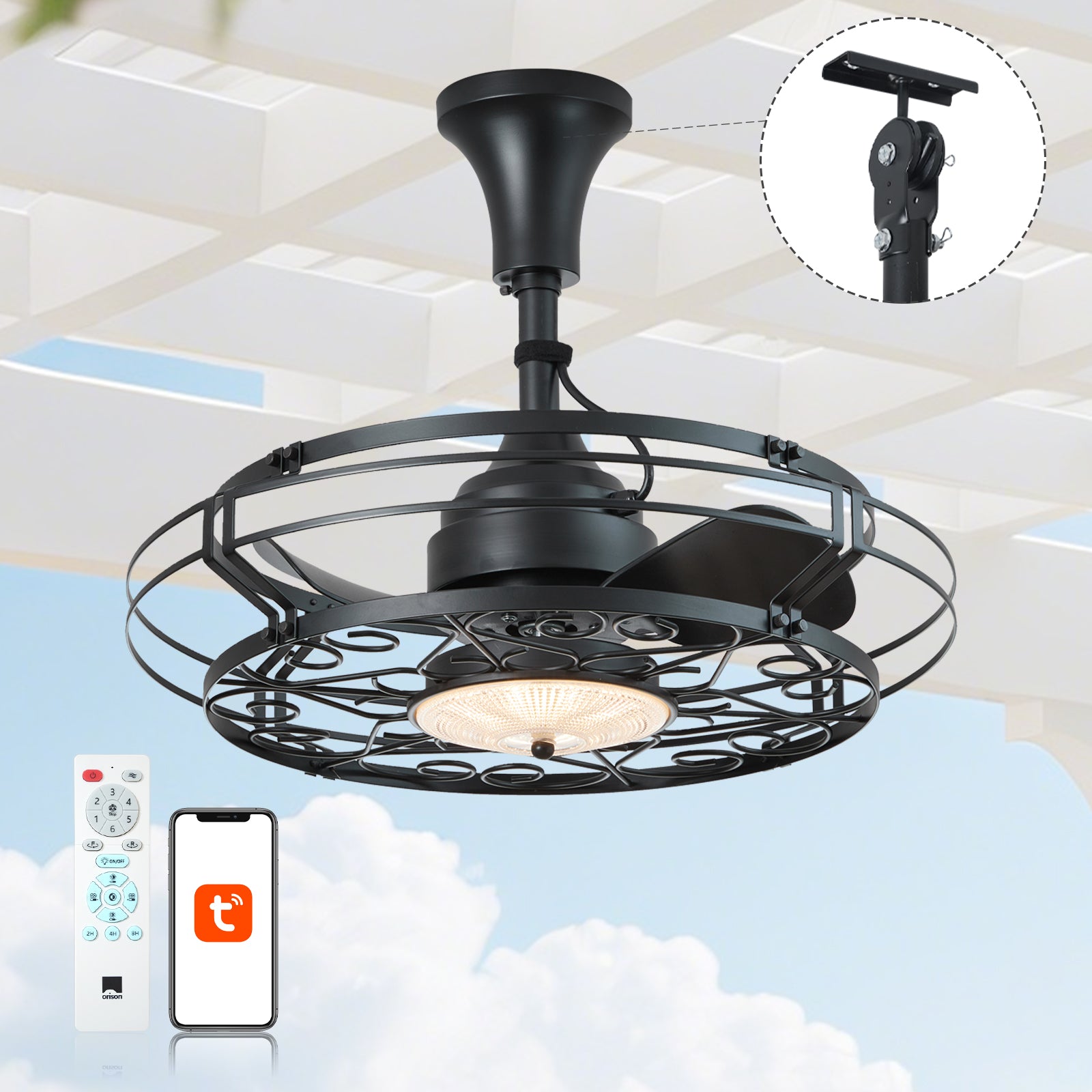
Aye, it’s frustrating: you buy a smart fan that promises whisper-quiet airflow and Alexa control, only to find it wobbles in a breeze and drops its connection when the rain comes in. The problem is twofold — aerodynamic stability outdoors and wireless wavelength integrity — and both must be solved together. If you’re fitting a pergola or a covered patio, consider the choice of outdoor patio ceiling fans early, because the mounting, blade design, and weatherproofing all set the stage for dependable performance.
Why airflow stability matters — and what breaks it
Airflow stability isn’t just a comfort metric; poor balance shortens motor life and makes smart controls a bother. Look at three mechanical culprits: unbalanced blades, wrong downrod length for your ceiling height, and poor blade pitch. These influence CFM and vibration at the motor housing. Coastal or storm-prone spots make things worse: gusts hit exposed blades and send oscillations through the mount. Pick the wrong fan and you’ll hear it creak every time the wind turns — and that’s nae pleasant.
Why wireless signal integrity matters outdoors
Smart control depends on radio frequency (RF) performance — typically on the 2.4 GHz band for many smart fans and hubs. Outdoor installations face metal roofs, thick masonry, and distance from the router, all increasing RF attenuation. A wet-rated motor or metal canopy can also act as a Faraday cage and reduce signal strength. In short: even the finest Alexa integration won’t matter if the fan can’t hear the hub. That’s where placement and network planning come into play.
Real-world anchor: lessons from fierce weather seasons
Take the record-breaking 2020 Atlantic hurricane season — it showed installers and manufacturers how crucial robust outdoor fixtures are. Fans that weren’t wet-rated, or that had exposed electronics, failed fast in heavy storms. That real-world event pushed many to prefer IP-rated, sealed motor housings and designs certified for wet conditions. When picking a waterproof product, look for clear ratings rather than friendly-sounding claims.
Troubleshooting the twin problems: practical fixes
Start by addressing the mechanical side: balance blades, check blade pitch, and match downrod length to ceiling height so the fan sits in stable airflow. Next, tackle the network: place your router or a mesh node within line-of-sight where possible, or use a 2.4 GHz extender for distance. And mind electromagnetic interference — keep the fan’s canopy at least a wee distance from heavy electrical runs. If the fan itself has a built-in hub, ensure its antenna orientation isn’t blocked by metal fittings — small adjustments often make all the difference.
Waterproofing and smart features: where to draw the line
Not all outdoor fans are equal. “Damp-rated” suits covered porches; “wet-rated” suits fully exposed areas. For reliability and safety, choose a genuinely sealed, wet-rated unit with IP65 or higher if you’re under open skies. Also verify the light module is sealed and meets lumens and wattage expectations. If you want voice control, ensure the fan explicitly lists Alexa compatibility and supports local control or secure cloud integration — cloud-only systems can be flaky when your internet is spotty. A reliable choice is a robust waterproof outdoor ceiling fan with light that balances sealed electronics and tested smart modules.
Common mistakes folks keep making — and how to avoid them
Buyers often pick on price alone, assume a damp rating will do for all outdoors, or mount without checking downrod length for higher winds. They also forget to test Alexa scenes after installation — a quick trial prevents late-night frustration. Don’t skip a trial run: confirm the fan holds Wi‑Fi or hub pairing at typical use distances and under variable weather — that one test saves a load of grief.
Installation and selection checklist
Use this quick checklist before you buy or fit:
- IP or UL wet-rating: prefer wet-rated for exposed areas (industry term: IP rating).
- Airflow and comfort: check CFM and blade pitch for desired breeze.
- Mounting: correct downrod length and secure bracket design.
- Smart compatibility: explicit Alexa support and 2.4 GHz network use.
- Light specs: lumen output, CRI, and sealed light housing.
- Motor type and warranty: sealed motor housing and clear support policy.
Alternatives to ceiling fans and when to pick them
If your structure won’t allow a downrod or you’ve got very open exposure, consider wall-mounted fans or misting systems for outdoor cooling. Portable outdoor fans give flexibility but lack integration. Enclosed fixture fans can work under solid roofs. Each alternative trades permanence and integration for adaptability — choose according to the space and whether you want Alexa-driven scenes or just plain air movement.
Advisory: three golden rules for choosing the right smart outdoor fan
1) Prioritize environmental rating over price: always choose a wet-rated fan (or the correct damp/wet spec) for exposed locations — it’s cheaper in the long run than frequent replacements. 2) Match mechanical design to site: confirm blade balance, blade pitch, and downrod length so the fan runs true in your local wind conditions and yields the CFM you expect. 3) Verify real connectivity: test Alexa pairing and Wi‑Fi performance in situ — ensure 2.4 GHz access and plan for mesh or extenders if your router’s line-of-sight isn’t ideal.
Choose wisely, and you’ll have a quiet, steady breeze that answers to your voice and stands up to storms — the kind of practical, wholehearted solution we trust here in the Highlands. Orison. —