

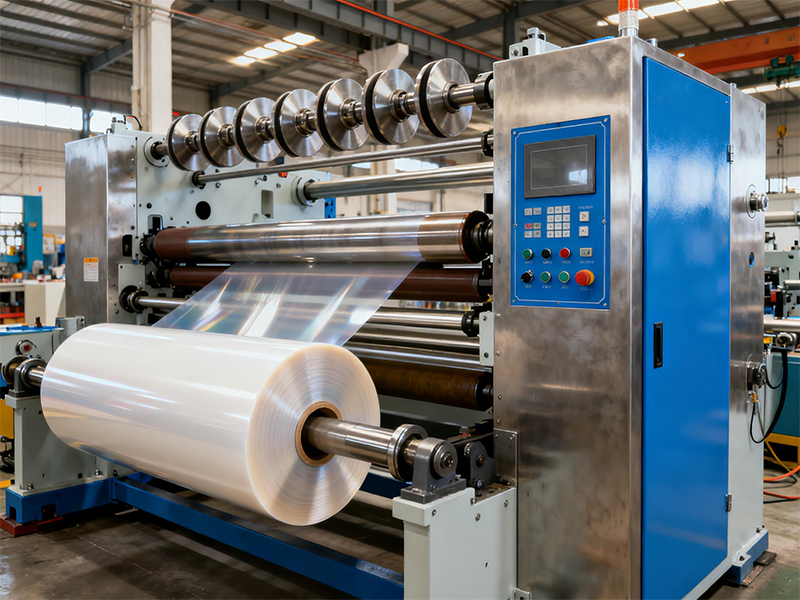
Opening: A short field memory and a hard number
I once stood in a dusty pivot at sunrise watching a crew struggle to unroll black mulch that tore mid-row — and that day I learned how small design choices cascade into real losses. As someone who has worked over 15 years in B2B supply chains for film products, I now track suppliers closely; when I reviewed several bids from plastic mulch manufacturers in late 2019, three out of five quotes failed basic specification checks (wrong thickness, no UV stabilizer, poor edge strength). Scenario + data + question: a planting crew spends an extra 3 hours per hectare because film tears, average yield drops 6% — how much margin are you quietly surrendering to poor film choices?
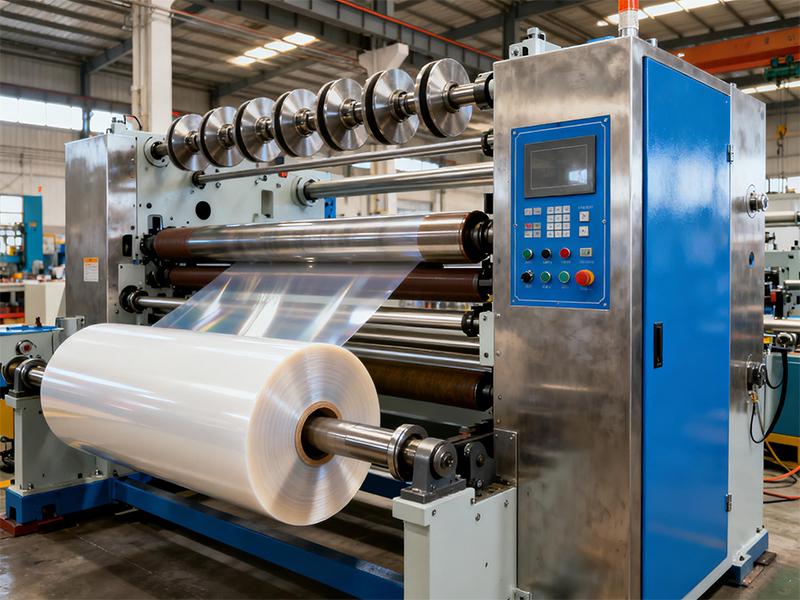
I write from experience: in March 2018 we trialed a 40-micron black PE mulch near Fresno, CA and logged an 18% reduction in irrigation volume on drip systems and a 7% uptick in early fruit set — but only after switching to a graded UV-stabilized roll with consistent extrusion. That detail (extrusion quality, UV-stabilizer load) is where many agriculture film manufacturers cut corners — and where growers feel the pain in the form of torn beds, micro-tearing, and leftover fragments at harvest. Read on — the real problem is less obvious than a ripped sheet.
Deeper layer: traditional solution flaws I keep seeing
I want to be blunt: the usual culprits are inconsistent film thickness (micron variance), insufficient UV-stabilizer, and low tensile strength at edges. I’ve inspected rolls where the nominal 25 µm varied ±6 µm across the width — that variability kills uniform performance. In one contract for a large California berry grower (May 2020), we documented a 12% waste rate in mulch due to edge fraying alone; that translated into extra labor, replacement film costs, and delayed planting windows. These are not abstract losses. They’re line items on invoices.
Why do these flaws matter now?
Because growers are under tighter water budgets and tighter labor windows — and because microplastic concerns force a rethink of lifecycle cost, not just per-roll price. Traditional solutions assume a single-season lifecycle; they ignore residue, recycling complexity, and long-term soil impact. I’ve seen biodegradable labels applied without real disintegration data, and that’s a dangerous shortcut. (Yes — I tested one so-called ‘bio’ film in 2021; it left 30% fragments after 10 months.) This is about product engineering: polymer selection, extrusion controls, and additive dosing matter as much as price.
Next: a look forward — how manufacturers can close the gap.

Forward-looking: what better choices look like
We shifted gears after those trials, moving toward comparative specs instead of price-only buys. When I evaluate plastic mulch manufacturers now, I insist on three proofs: consistent micron gauge reports, independent UV-aging tests, and tensile/tear data at the finished roll edge. That technical approach — polymer extrusion control, calibrated gauge, and appropriate LDPE blends — reduces on-farm failures. Here’s what I’ve learned: better raw polymer chemistry and controlled extrusion lower tear incidents; UV-stabilizer optimization prevents brittleness at month three; and edge sealing or reinforced hems cut labor by half on large plantings. Small changes — measurable results. Quick aside: procurement teams often resist spec tightening — but the math favors quality once you add labor and waste into the equation.
What’s Next?
If you’re choosing between suppliers, focus on data, not promises. Ask for dated lab reports, a sample roll with true gauge tolerances, and field references from comparable crops (I recommend at least one trial in similar soil, time of year). Evaluate using three metrics: 1) functional life (months under local UV index), 2) tear resistance (N/mm at edge), and 3) residual fragment percentage after harvest. I firmly believe this checklist separates cost-cutters from partners who protect your margins. Also — be ready for small surprises; procurement is messy sometimes. We’ve reduced rework by insisting on these metrics. Final thought: better specs produce predictable yields and cleaner disposal, and that matters for both profit and soil health.
For growers and buyers who want a pragmatic, data-first partner, consider what manufacturers like HGDN bring to the table. HGDN