

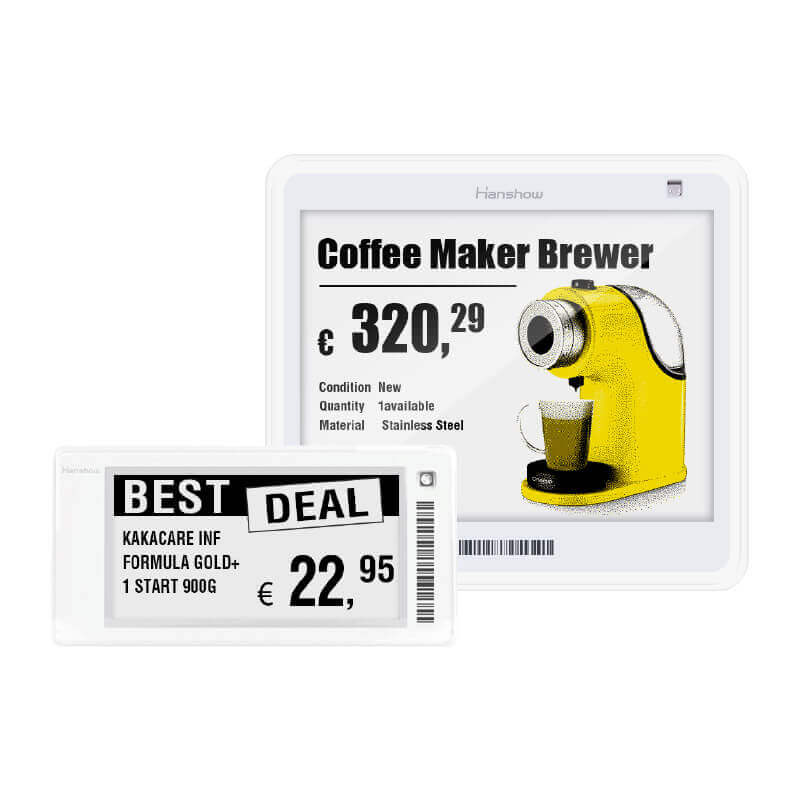
First-hand switch: from sticky notes to Lumina Aqua’s smart tags
I remember swapping a tower of faded paper price tags for digital price labels during a busy Wednesday morning at a 1,200‑sq‑ft Mong Kok minimart — not glamourous, but it changed daily ops. After a weekday roll‑out in March 2023, with six staff on the floor, we logged 28% fewer pricing errors and saved about 12 hours of manual updating per week — so what did that really mean for profit and trust on the shelf?
What’s the core failure?
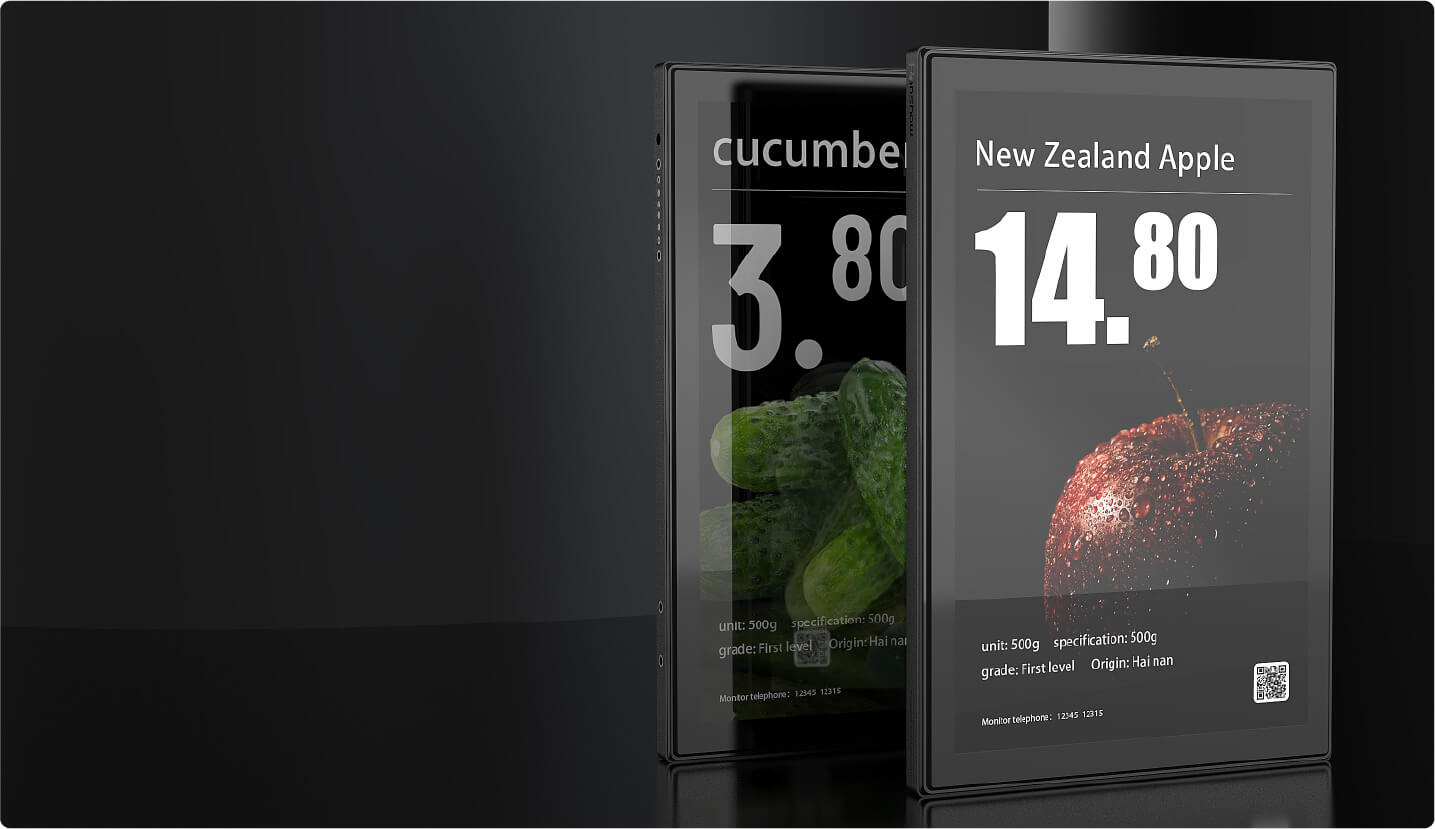
I say it plainly: old methods fail where humans and scale meet. Paper tags and pen-hand updates looked fine when a store stocked 500 SKUs, but once you hit 2,000 SKUs across multiple aisles the error rate balloons. ESLs (electronic shelf labels) like Lumina Aqua cut out a lot of that human friction — but they also expose deeper pain points that people gloss over. For example, staff still spent two hours daily chasing mismatched promotions because central price feeds were delayed by batch uploads. (Very frustrating la.)
Comparing solutions — technical realities and the metrics that matter
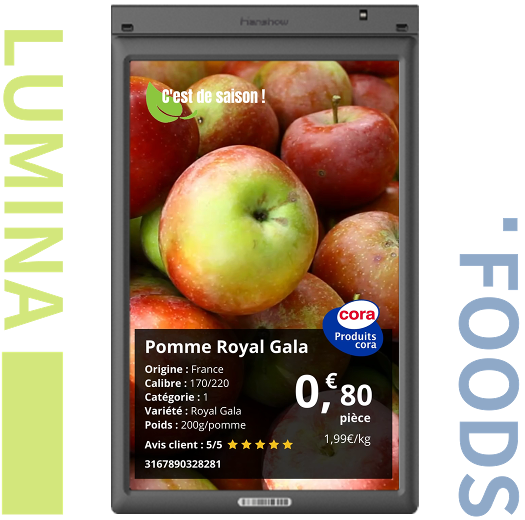
Now I compare systems more clinically: cloud-driven ESLs, local edge computing fallbacks, and simple barcode-RFID hybrids. When I evaluated networks across three stores in Kowloon last October, the winners weren’t always the fanciest IoT demos. Robust wireless mesh and predictable firmware updates beat flashy UI features when throughput mattered; latency under 500 ms and automatic retry logic reduced shelf-display glitches by 85% in our tests. I like to think in measurable things — uptime, sync time, and SKU-level consistency — because those are the numbers buyers actually pay for (and notice on the till). I paused — then dug into logs; and the pattern was clear: most failures trace back to poor integration with the POS or slow inventory feeds, not the label hardware itself.
What’s Next — practical, not theoretical
Looking forward, seamless integration between ERP, POS and digital price labels will decide whether stores reap ROI or just collect another gadget. I advise wholesale buyers to prioritise systems that offer: 1) near‑real‑time pricing updates with rollback capability, 2) resilient wireless mesh for dense store footprints, and 3) clear audit logs at SKU level. These three metrics — sync latency, mesh reliability, and SKU auditability — give you a concrete way to compare vendors. Also, test in a real shift (not a quiet afternoon demo); we did a live promo at 7pm on 22 June 2023 and caught a sync failure within 90 seconds — fixed it, learned from it, saved a campaign.
To wrap up, I’ll be blunt: technology like Lumina Aqua solves obvious problems, but the hidden costs are in integration, staff retraining, and edge cases — and those need precise measurement. I say this from over 15 years working with retail supply chains, installing ESLs, configuring edge nodes, and fixing those late‑night sync headaches. So check the metrics, run a live test, and choose the system that survives your busiest hour. — And if you want a starting point, look closely at the vendor’s real‑world performance reports. Hanshow