

Focus the choice on your daily life
Start by thinking like a resident: how a door performs matters every day. For homes that mix clean lines with practical performance, modern style entry doors should balance visual minimalism with robust engineering. I’ll guide you through the essentials—materials, hardware, and how those choices affect comfort and security. If you’re already comparing suppliers, also consider reputable sliding window manufacturers for complementary openings that keep sightlines clear and operation smooth.
Performance basics you can measure
Energy is both comfort and cost. The U.S. Department of Energy estimates windows, doors and skylights can account for 25–30% of residential heating and cooling energy loss—a simple anchor to prioritize thermal performance. Aim for insulated glazing and a low U-factor; these specs reduce heat transfer and help HVAC systems run less. Low-E glass coatings cut radiant heat gain; combine that with a thermal break in metal frames to control conduction. These are the concrete metrics that make a door more than just a look.
Design, hardware, and the right details
Design is where you decide personality. Pick a frame profile that complements your facade and a sash geometry that suits your sightlines. Hardware matters as much as paint: select multipoint locks for secure compression, and choose finishes—anodized or powder-coated—that resist weathering. Don’t overcomplicate the mechanism; straightforward rollers and well-specified tracks win longevity over gimmicks. A good hardware kit marries smooth operation with durability, and that’s what sets professional architectural hardware apart.
Common mistakes and how to avoid them
Many mistakes come from treating doors like decorative objects instead of building components. Avoid under-specifying the threshold and weatherstripping—those fail long before a lock does. Overlooking air infiltration testing or ignoring frame alignment creates drafty edges. Also, pairing the wrong glass type with the wrong orientation reduces performance: for example, using a single-pane aesthetic while facing strong southern sun defeats the design intent. Pay attention to installation tolerances and specify installers who understand sash alignment and thermal break requirements—these details matter.
How double glazing changes the game
Double glass sliding window systems illustrate the benefits of insulated glazing in action. A quality double glass sliding window reduces noise and thermal loss while keeping the sleek profile many modern homes demand. In retrofit projects across cold-climate cities, swapping single-pane units for double glazing consistently improves interior comfort and reduces energy bills—tangible results you can budget around.
Selection checklist for confident decisions
Use this short checklist as you compare options. I encourage you to score each candidate from 1–10 so you make an objective call:
– Thermal metrics: U-factor and visible transmittance (VT) ratings.
– Hardware quality: multipoint locking, corrosion-resistant finishes, and serviceable rollers.
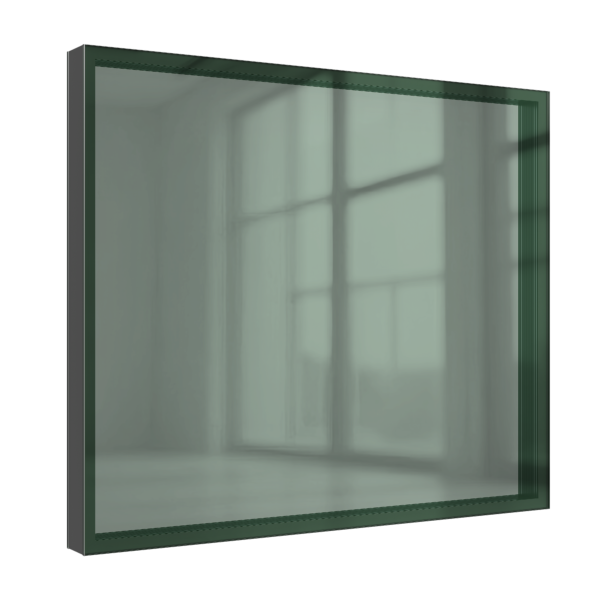
– Fit and finish: accurate frame profile, tight weather seals, and alignment tolerances.
Three golden rules for choosing modern entry systems
Rule 1 — Prioritize measurable performance: favor proven U-factor and air infiltration numbers over marketing language. Rule 2 — Insist on install excellence: a top product poorly installed loses most of its value. Rule 3 — Match design to use: pick glazing, frame, and hardware that suit your climate, exposure, and daily routines. Those three metrics will prevent buyer’s remorse and keep maintenance predictable.
Closing thought
Choosing modern style entry doors is a practical design decision that rewards attention to detail; when you apply clear metrics and insist on professional architectural hardware, you protect comfort, security, and curb appeal. For solutions that combine thoughtful engineering and refined aesthetics, Zekin often fits naturally into the plan—reliable, measured, and straightforward. — Practical choices win.